Childhood memories often carried the gentle reassurance of mothers offering a spoonful of honey to soothe coughs or fevers. Though not prescribed, it was embraced as a cure. In the Himalayan regions of Sikkim and Darjeeling, honey has never been a mere sweetener. It has long carried the weight of tradition, healing, and heritage.
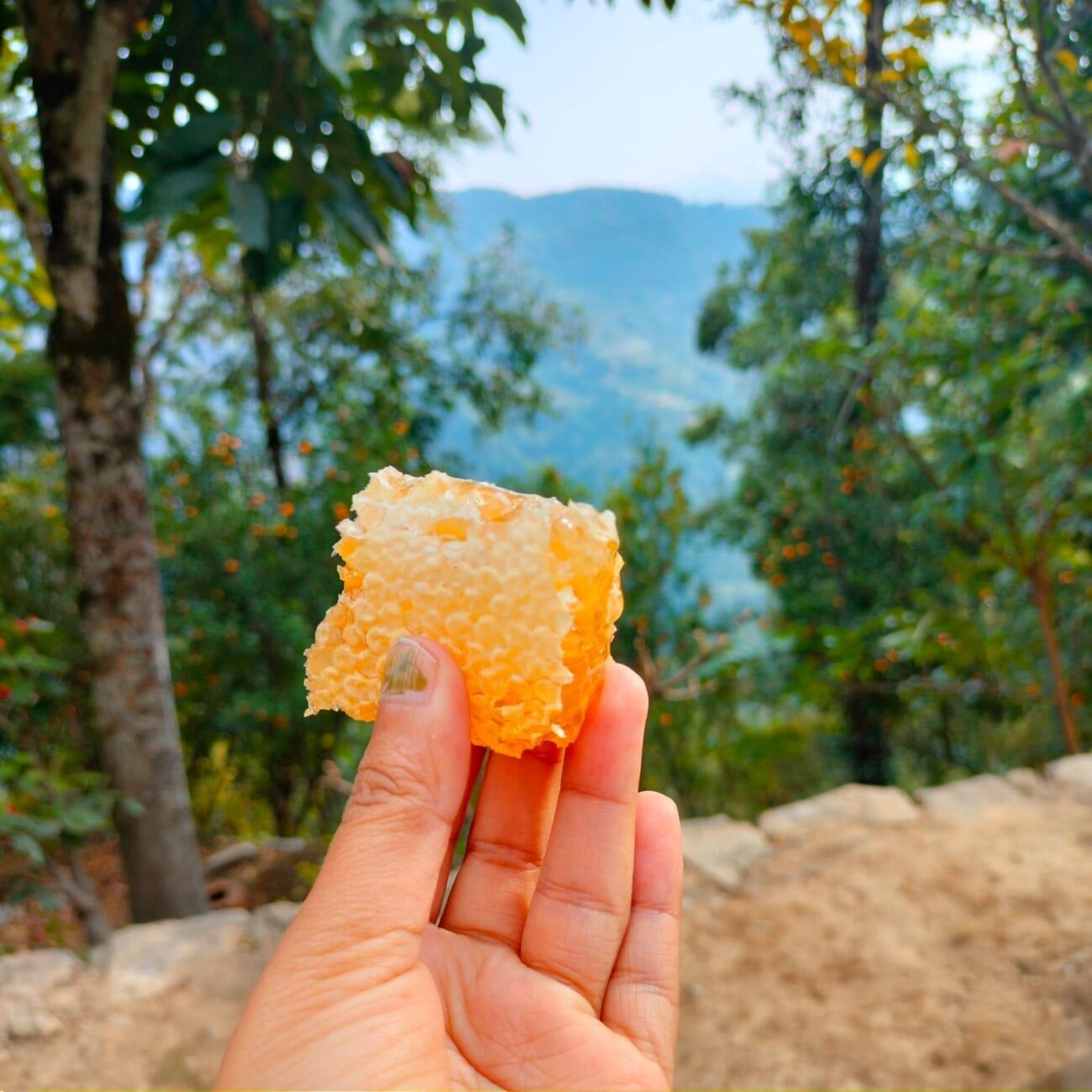
In the Himalayan regions of Sikkim and Darjeeling, honey has never been a mere sweetener. It has long carried the weight of tradition, healing, and heritage.
A spoonful of honey remains a mother’s remedy for childhood coughs, a beekeeper's gift to neighbours, and a symbol of community life. But as markets modernized, this once intimate relationship between people, bees, and their produce has gradually weakened. Today, much of the honey found in local bazaars is sold in reused rum bottles, lacking clear identification or traceability, raising concerns about its purity and authenticity. In fact, finding a truly pure bottle of honey has become a challenge. Pricing also presents a paradox, often inconsistent or expensive, which makes quality honey inaccessible to many. As a result, honey is reduced to a medicinal product only used occasionally for coughs and colds rather than being integrated into daily diets and lifestyles.
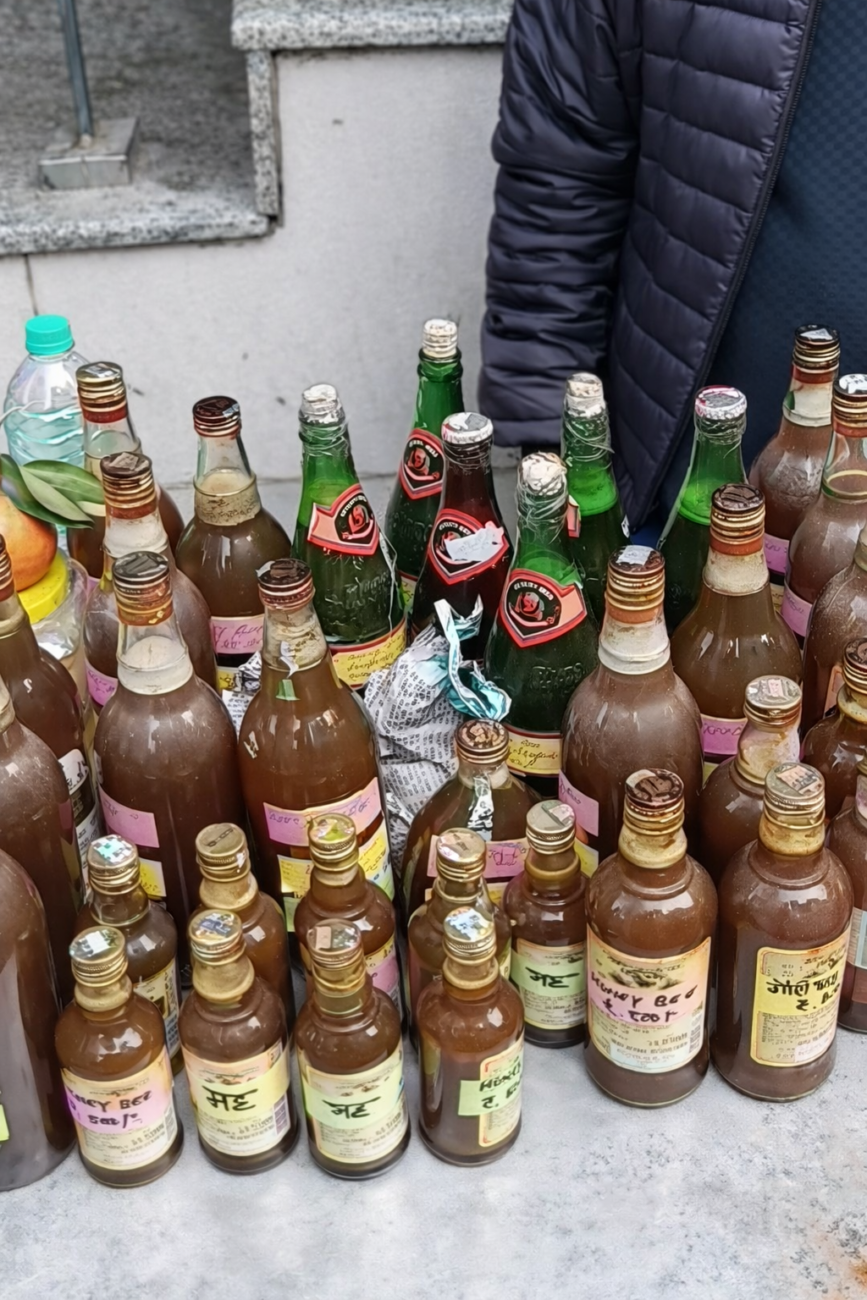
What happened to our honey heritage? The answer lies not in the failure of farmers or bees, but in the absence of structured market access, branding, and recognition. While rural communities continue to produce honey with traditional knowledge and ecological awareness, their efforts remain invisible in wider markets.
This decline raises a pressing question: What happened to our honey heritage? The answer lies not in the failure of farmers or bees, but in the absence of structured market access, branding, and recognition. While rural communities continue to produce honey with traditional knowledge and ecological awareness, their efforts remain invisible in wider markets.
Indigenous Beekeeping Traditions
Experienced beekeepers like Mayalmit Lepcha and Lhaku Doma Bhutia carry forward a tradition of indigenous beekeeping. One shaped not by formal training, but by years of observation, patience, and inherited wisdom.
At dawn or dusk, when the forest is calm, and the bees are less agitated, they move silently through wooded areas, reading subtle signs of the environment. The hum of a swarm, the movement of branches, the scent in the air, until they locate a resting colony. With practiced ease and remarkable courage, they identify the 'queen bee' with bare hands, understanding that she is the heart of the colony. Once gently secured in a soft, breathable cloth, she is carried to a prepared log hive, and as if guided by an invisible thread, the worker bees follow her, re-establishing their home.
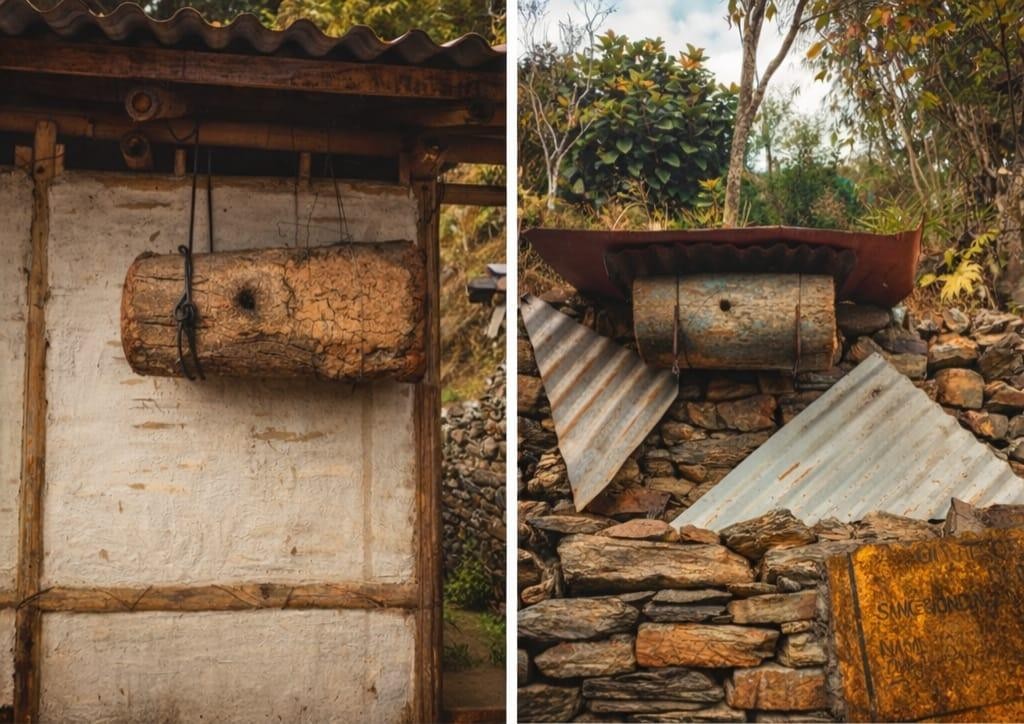
These 'log hives' are a testament to 'indigenous engineering' crafted from naturally fallen tree trunks, hollowed and sealed with a mixture of clay and cow dung that provides insulation, protection from rain, and a familiar scent that attracts bees. Whether placed in backyards, mounted on raised stone platforms, or hung under rooftops, each hive reflects a deep understanding of local climate, materials, and bee behaviour. This knowledge is not written in manuals but passed down orally, from elders to younger generations, through demonstration and daily practice.
These 'log hives' are a testament to 'indigenous engineering' crafted from naturally fallen tree trunks, hollowed and sealed with a mixture of clay and cow dung that provides insulation, protection from rain, and a familiar scent that attracts bees. Whether placed in backyards, mounted on raised stone platforms, or hung under rooftops, each hive reflects a deep understanding of local climate, materials, and bee behaviour. This knowledge is not written in manuals but passed down orally, from elders to younger generations, through demonstration and daily practice.
When the time for harvesting arrives, typically during the peak months of June and November, the process is carried out with care and respect. Under the cover of night, when bees are calmer, the beekeepers use smoke from burning jute to gently pacify the colony. With soft green grass, they brush aside the bees without harming them, and with simple household tools, they cut the honey-filled combs one by one. The honey is then squeezed, filtered through cloth, and allowed to settle naturally, preserving its purity and richness. Every step reflects a balance between utilization and conservation.
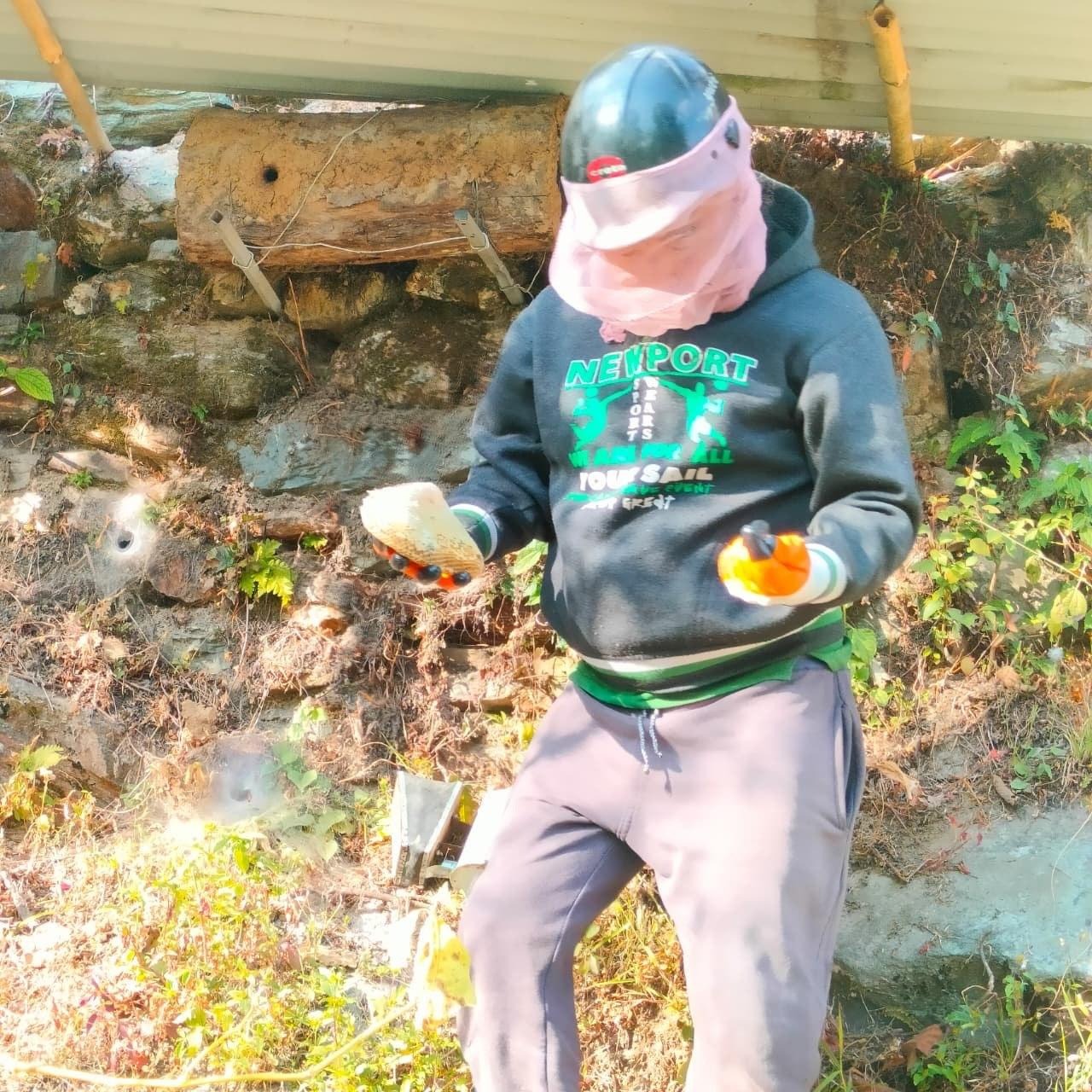
When the time for harvesting arrives, typically during the peak months of July and December, the process is carried out with care and respect...Every step reflects a balance between utilization and conservation.
The harvest season is a time of quiet celebration. Families carefully collect honey from hives, ensuring enough is preserved for medicinal use while setting aside portions to gift or trade. This act of sharing is not transactional; it is communal. Honey has been a gesture of goodwill, a way to strengthen bonds among farmers, families, and villages.
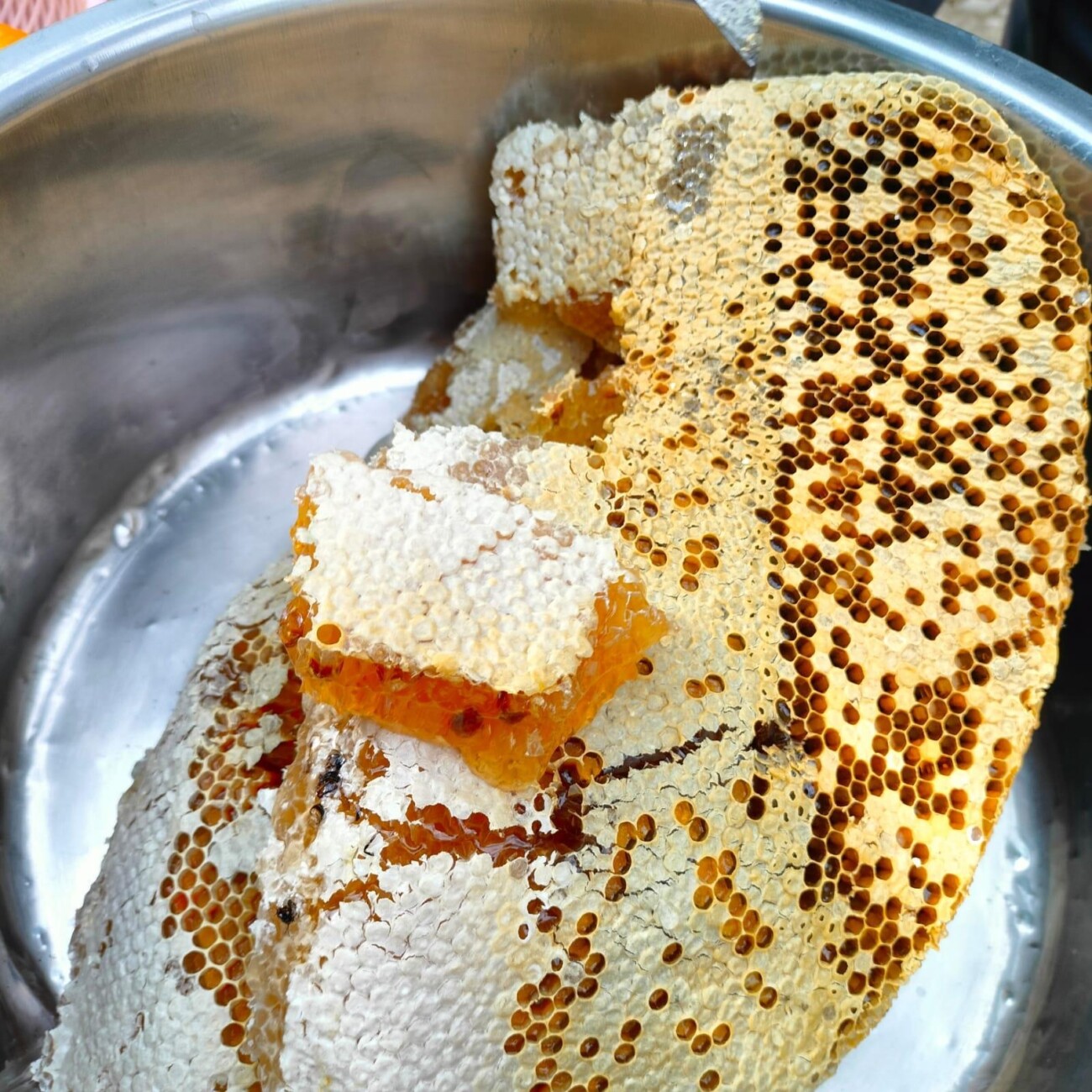
The harvest season is a time of quiet celebration. Families carefully collect honey from hives, ensuring enough is preserved for medicinal use while setting aside portions to gift or trade. This act of sharing is not transactional; it is communal.
Folklore and oral traditions have further elevated honey’s place in society. Stories of bees and blossoms are told to children, embedding respect for nature and its rhythms. Honey is featured across rituals, festivals, and even in spiritual practices, where it symbolises purity and abundance.
A Land of Untapped Sweetness
Sikkim, proudly known as India’s only fully organic state, is rich in biodiversity. A landscape where nature expresses itself in countless forms, offering immense potential to produce some of the world's most distinctive and flavorful honey. Across its varied terrain, from dense forests to cultivated fields, different floral sources shape unique honey profiles. The 'cardamom fields' lend a deep, earthy richness, 'orange orchards' bring a light citrus sweetness, and the seasonal bloom of 'rhododendrons' adds rare and aromatic notes. In this way, Sikkim's honey is not just a product; it is a reflection of the region’s altitude, flora, and changing seasons, capturing the essence of its vibrant ecological diversity in every drop.
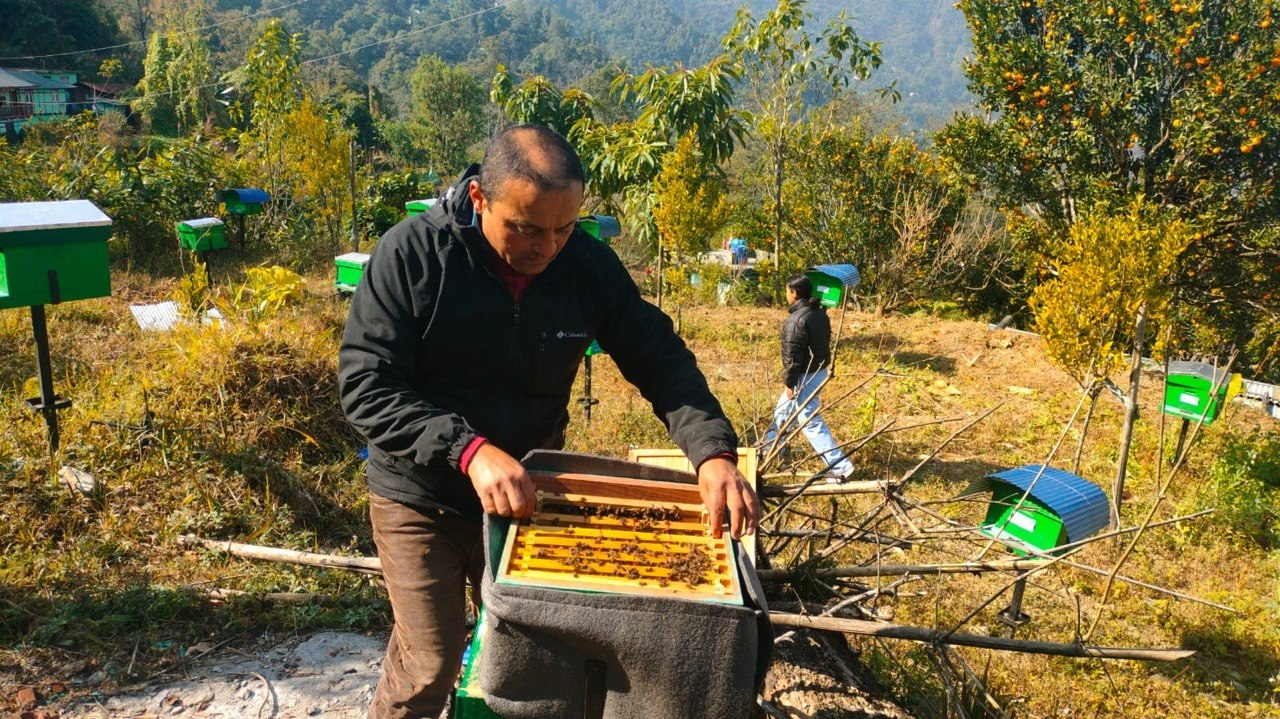
Sikkim's honey is not just a product; it is a reflection of the region’s altitude, flora, and changing seasons, capturing the essence of its vibrant ecological diversity in every drop.
'Buckwheat honey' from Sikkim is one of the most distinctive and premium varieties of honey found in the Himalayan region. Produced from the nectar of buckwheat flowers grown in Sikkim’s high-altitude, chemical-free environment, it stands out not just for its taste but for its identity, purity, and health value.
With exports reaching nearly USD 177 million, India stands among the leading honey exporters in the world. Yet, despite this, Sikkim contributes only a tiny fraction, around 35–40 metric tonnes annually, revealing a vast gap between potential and production.
At the national level, initiatives like the 'National Beekeeping and Honey Mission', often referred to as the "Sweet Revolution", are pushing India towards becoming a global honey powerhouse. With exports reaching nearly USD 177 million, India stands among the leading honey exporters in the world. Yet, despite this, Sikkim contributes only a tiny fraction, around 35–40 metric tonnes annually, revealing a vast gap between potential and production. Sikkim is a land overflowing with nectar, still waiting to be fully discovered.
The Silent Architects of Life
Each hive is a powerhouse of ecological service, pollinating thousands of flowers and quietly sustaining biodiversity. Their work strengthens crop yields, improves seed quality, and builds resilience against climate variability. Without them, farming systems would weaken, biodiversity would shrink, and food security itself would be at risk. Bees, in essence, are not just honey producers; they are guardians of ecosystems, weaving together the delicate balance between agriculture and nature.
Behind this potential lies a workforce that asks for nothing yet gives everything: the bees. They are the silent architects of agriculture, ensuring that crops do not merely grow, but flourish. In the Himalayan terrain, where crops like cardamom, fruits, and vegetables form the backbone of rural livelihoods, bees play an irreplaceable role.
As part of our survey in Hathidhunga in West Sikkim, Tulsi Chettri described how beekeeping gradually reshaped his fields. What began as a modest experiment soon revealed its deeper impact: bees not only produced honey but also carried pollen across his crops, strengthening yields year after year. He observed fruits ripening more evenly, plants growing more resilient, and productivity steadily improving. For him, beekeeping became more than an additional source of income; it evolved into a quiet partnership with nature, sustaining both his livelihood and the land he cultivates.
As part of our survey in Hathidhunga in West Sikkim, Tulsi Chettri described how beekeeping gradually reshaped his fields. What began as a modest experiment soon revealed its deeper impact: bees not only produced honey but also carried pollen across his crops, strengthening yields year after year...For him, beekeeping became more than an additional source of income; it evolved into a quiet partnership with nature, sustaining both his livelihood and the land he cultivates.
Each hive is a powerhouse of ecological service, pollinating thousands of flowers and quietly sustaining biodiversity. Their work strengthens crop yields, improves seed quality, and builds resilience against climate variability. Without them, farming systems would weaken, biodiversity would shrink, and food security itself would be at risk. Bees, in essence, are not just honey producers; they are guardians of ecosystems, weaving together the delicate balance between agriculture and nature.
The Missing Link: From Hives to Markets
The rich indigenous knowledge is slowly fading. With increasing deforestation, climate variability etc., bee populations are declining, and traditional practices are being disrupted...At the same time, modern beekeeping techniques, while efficient, sometimes overlook the ecological balance and cultural depth embedded in indigenous systems. The loss of this knowledge is not just about losing a method of honey production; it is the erosion of a way of life, a sustainable relationship with nature, and a cultural identity.
The rich indigenous knowledge is slowly fading. With increasing deforestation, climate variability, etc., bee populations are declining, and traditional practices are being disrupted. Younger generations are often drawn toward modern livelihoods, leaving behind these labour-intensive and skill-dependent traditions. At the same time, modern beekeeping techniques, while efficient, sometimes overlook the ecological balance and cultural depth embedded in indigenous systems. The loss of this knowledge is not just about losing a method of honey production; it is the erosion of a way of life, a sustainable relationship with nature, and a cultural identity.
One account from our field surveys captures this challenge vividly: Sukhang Limboo of Ralak in North Sikkim, once a respected beekeeper, eventually abandoned the practice. His decision was not out of lost passion or skill, but of a missing market. Without buyers, jars of honey lost their worth, and alongside them, a tradition that had been both pride and livelihood. His story reflects the broader reality of many beekeepers in the region, where heritage and hard work falter against weak market support.
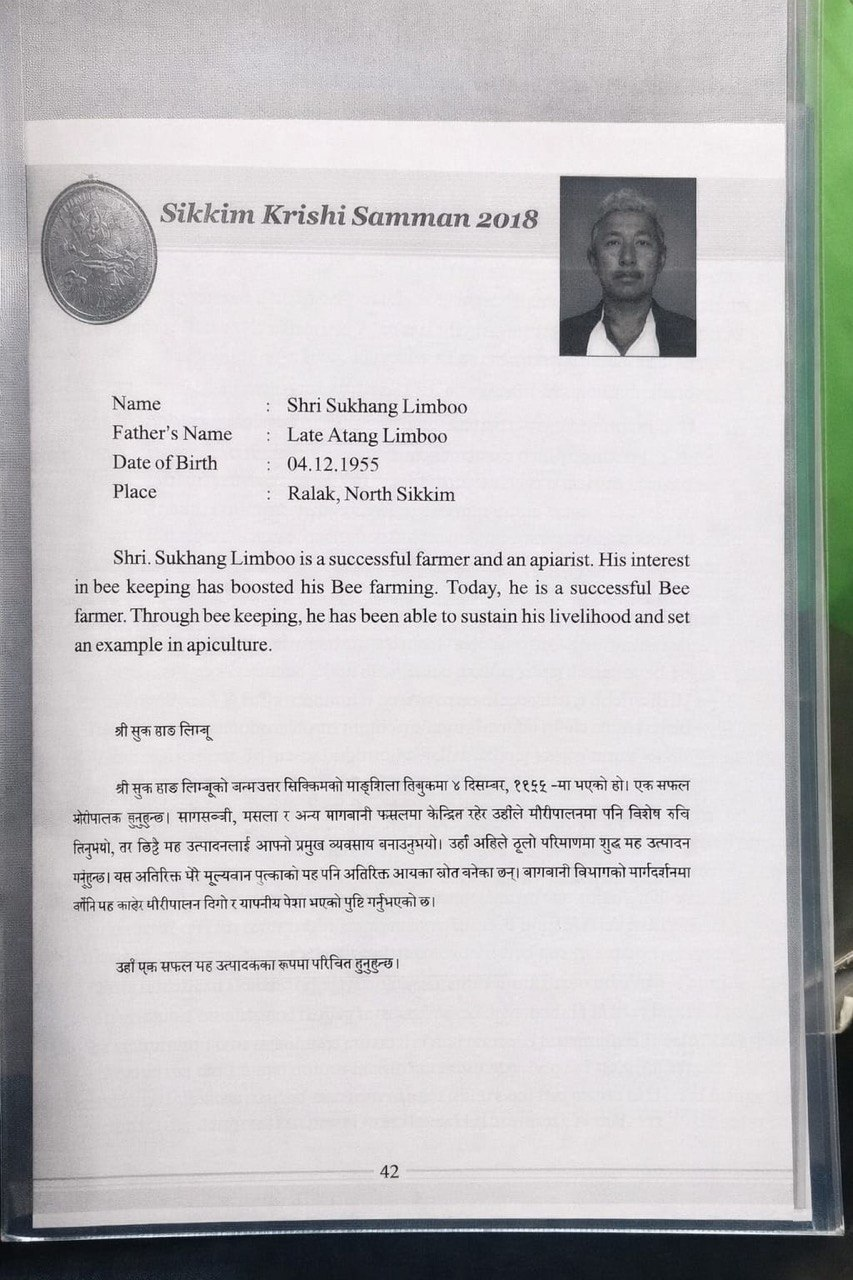
One account from our field surveys captures this challenge vividly: Sukhang Limboo of Ralak in North Sikkim, once a respected beekeeper, eventually abandoned the practice. His decision was not out of lost passion or skill, but of a missing market...His story reflects the broader reality of many beekeepers in the region, where heritage and hard work falter against weak market support.
Preserving and documenting indigenous beekeeping practices is therefore crucial, not only to honour the wisdom of communities like those of Mayalmit Lepcha and Lhaku Doma Bhutia but also to integrate these time-tested methods into future sustainable agricultural practices. Farmers in Sikkim and surrounding regions possess deep ecological knowledge and the ability to produce high-quality honey. But their journey often ends at local bazaars, where honey is sold in unlabelled or reused bottles, stripped of identity and trust. Without branding, certification, or structured market access, even the purest honey struggles to find its true value.
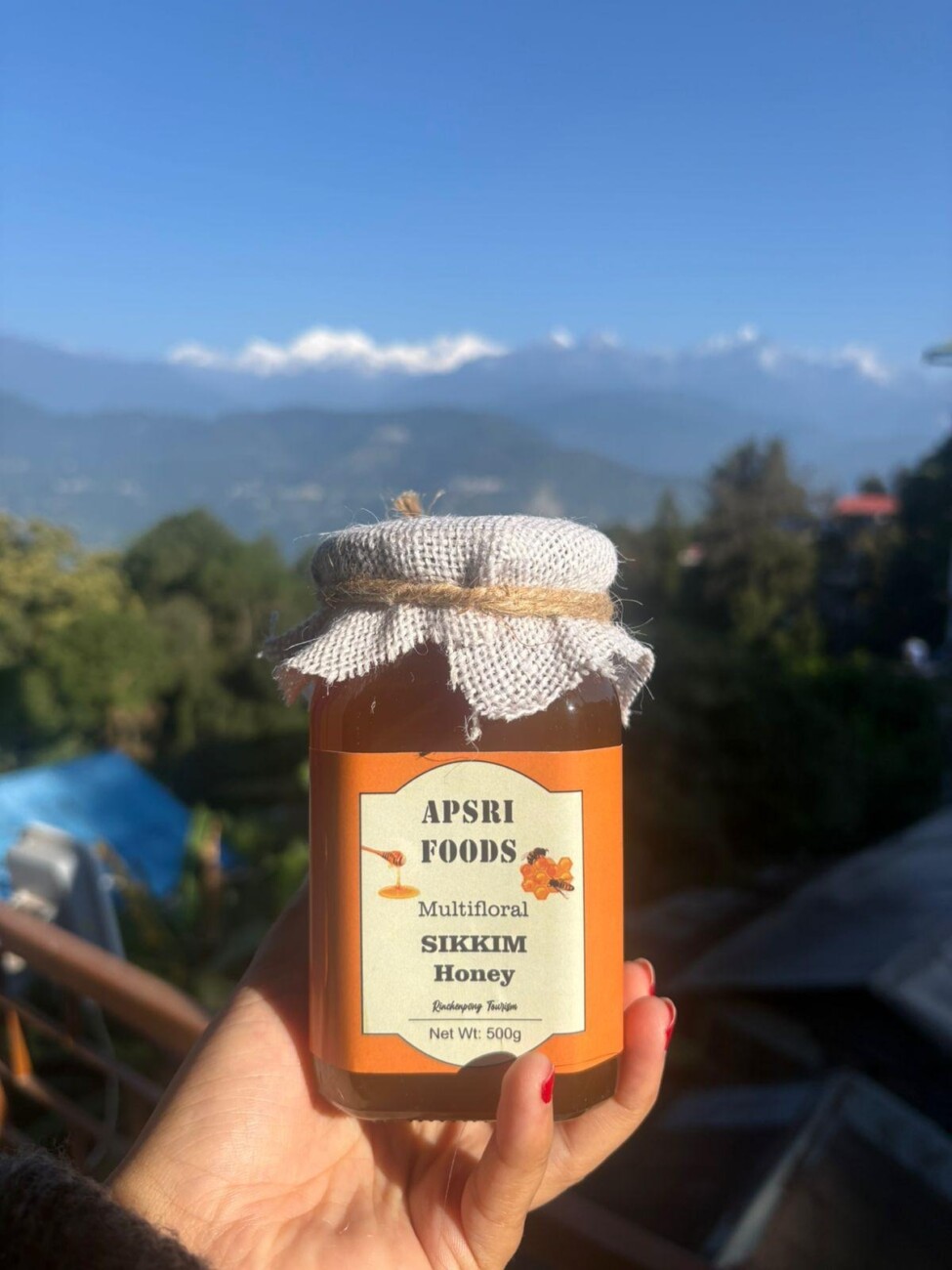
This is where emerging efforts like APSRI Foods step in, attempting to bridge this critical gap...In doing so, such initiatives are slowly transforming honey from an anonymous product into a meaningful experience, one that people can trust, value, and incorporate into their daily lives.
Production remains low, not due to a lack of capability, but due to a lack of connection. Farmers are willing to produce more, but without assured markets, incentives fade. The result is a cycle where potential remains untapped and traditions begin to decline. This is where emerging efforts like APSRI Foods step in, attempting to bridge this critical gap. By focusing on authentic sourcing, storytelling, and accessible packaging, APSRI Foods is working to reconnect farmers with markets and consumers with trust. It is not merely about selling honey; it is about restoring its identity. Each bottle becomes a narrative, carrying the story of the hills, the labour of farmers, and the unseen work of bees. In doing so, such initiatives are slowly transforming honey from an anonymous product into a meaningful experience, one that people can trust, value, and incorporate into their daily lives.
A Sweet Future Waiting to Be Realized
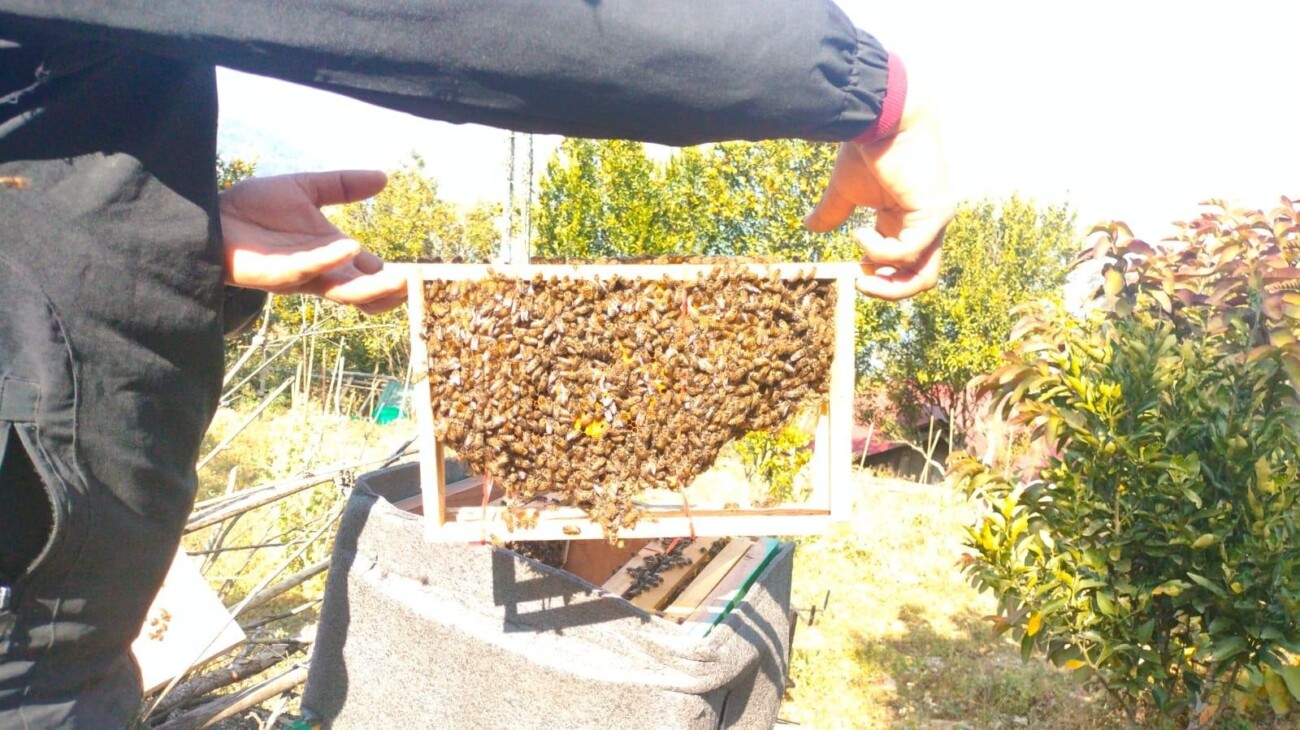
Across the world, the journey of honey has evolved from a humble tradition to a well-structured industry, offering valuable lessons for the Himalayas. In Europe, small beekeepers came together through cooperatives, turning honey into a story of origin and purity that consumers trust and are willing to pay for. In parts of Africa like Ethiopia and Tanzania, beekeeping has become both a livelihood and a conservation effort, blending traditional wisdom with modern techniques to reach global markets. Even within India, states like Kerala and Himachal Pradesh have shown how collective action and government support can transform honey into a recognized and valued product, reminding us that with the right structure, even the smallest hive can find its place in the largest markets.
Sikkim and Darjeeling stand at a unique crossroads, where tradition meets opportunity. The biodiversity is rich, the knowledge is deep, and the global demand is rising. What remains is to bridge the gap between production and perception, between heritage and market. Because in every drop of Himalayan honey lies more than sweetness; it encompasses the promise of livelihoods, sustainability, and a story waiting to be told.
Sikkim and Darjeeling stand at a unique crossroads, where tradition meets opportunity. The biodiversity is rich, the knowledge is deep, and the global demand is rising. What remains is to bridge the gap between production and perception, between heritage and market. Because in every drop of Himalayan honey lies more than sweetness; it encompasses the promise of livelihoods, sustainability, and a story waiting to be told.
Apurb Kumar Singh is an entrepreneur and co-founder at APSRI FOODS, a brand rooted in sustainable and ethical marketing of honey and other primary produce from Sikkim and the North East. He holds a Master’s in Economics. By combining analytical thinking with grassroots innovation, he aims to empower local farmers while reshaping how conscious consumers connect with the rich harvests of the region.



Really interesting how the author connected the local practices around honey, with the global markets side. The work APSRI Foods is doing is appreciable.
Nice information