Bhutanese Refugee Resettlement in Tasmania, Australia
For many of us in the Sikkim-Darjeeling hills, the word ‘refugee’ exists as an abstraction – a word, a chapter in a book, a documentary; something else, someone else, somewhere else. Growing up in Sikkim it was not something that ever came up in conversation, even though many of my Tibetan friends had a refugee background. Maybe it was owing to adolescence, youth, interest, information (or the lack of it) that the word ‘refugee’ barely entered our lexicon. Or maybe it was the privilege of having been born and brought up in Sikkim, where we were far removed from the plight that had befallen the ethnic Nepalis in Bhutan. It would be decades later that I would learn about their displacement, and their presence and proximity in Sikkim and Darjeeling, where many Bhutanese refugees worked as seasonal migrant labour or married into families in the region.
‘Refugee’ is a loaded word – it carries history, trauma, memory, stereotypes, colours perception and action. When I began to prepare for my research on the Lhotsampas in Launceston, Tasmania, I thought I understood what that word meant in practice. I had read books and articles on Bhutanese refugees and refugees in general, after all. However, in hindsight, I was underprepared when I arrived in Launceston. Not underprepared in terms of theory and concepts, but more in terms of my own spatial and cultural dissonance, my surprise at how trauma, memory, past and the present were interspersed in everyday life, their real estate successes, and for their ‘moving on’ with their lives in Australia, while still sharing a collective nostalgia for Bhutan and their camps in Nepal.
What began as a research project in 2021 has evolved into a very close relationship with many Bhutanese families and individuals in Launceston. One of the very first things I learnt was that no one self-identified as Lhotsampa – the people of the south/southerners. Everyone spoke of themselves and of others in their community as Bhutanese. Following common practice, I too use the term Bhutanese when I speak or write about them.
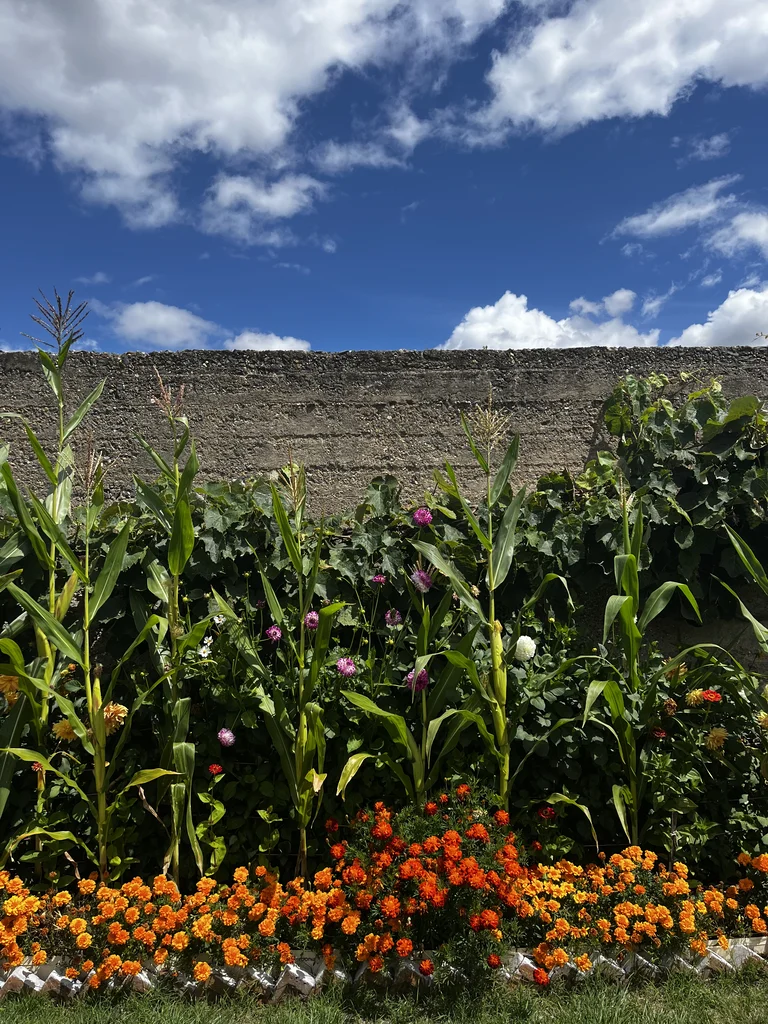
Just like home
Resettlement did not end when they arrived in Australia, it is still a constant and everyday negotiation.
The more time I spent with the Bhutanese, the more loaded and intense the word ‘refugee’ felt. While I felt uncomfortable using the word, scared of triggering memories and trauma, the Bhutanese seemed to own their ‘refugee-ness’. They lived with it and built their futures despite it. And owing this reResettlement did not end when they arrived in Australia, it is still a constant and everyday negotiation. fuge-ness also meant a constant adjustment and recalibration of identities as refugee, citizen, Bhutanese and Australian. Resettlement did not end when they arrived in Australia, it is still a constant and everyday negotiation.
Making Home
The Bhutanese community in Launceston, Tasmania live predominantly in three neighbouring suburbs of Invermay, Mowbray and Newnham. While many rent, many more own their own homes; a seamless convergence of the booming migration-led real estate market in supposedly unsavoury Australian suburbs and the Bhutanese aspiration to own their own homes. While home ownership provided many a sense of comfort and stability, many have found financial upward mobility through multiple home ownership. A feat significant for anyone but even more impressive for those who only started arriving in Australia in the late 2000s.
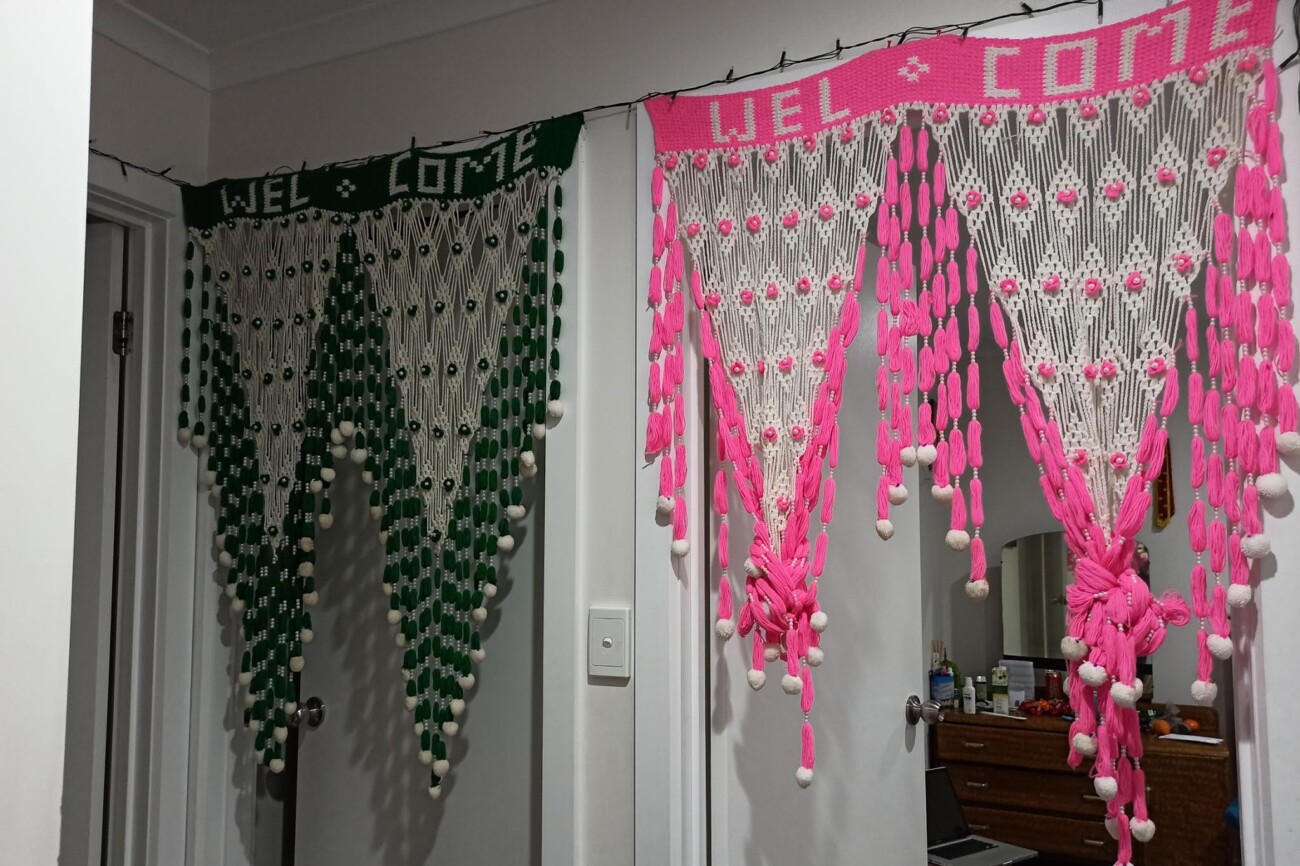
The familiar in unfamiliar places
While home ownership is a universal aspiration, this was a particularly important for the Bhutanese. As one of my friends explained, many Bhutanese families had never lived in rented accommodation. While in Bhutan they had lived in their own homes, no matter how small, and then for the next two decades, had lived in the camp in rows of bamboo and ikra huts. Renting, therefore, added a sense of ukkus-mukkus (उक्कुस मुक्कुस), that feeling of uneasiness in an already alien land.
Beyond comfort and stability, Bhutanese investments in real estate and businesses are also shaped by the heartbreaking acceptance of the fact that they will never be able to go back to Bhutan, not even as visitors. That door is conclusively shut. Australia is now their home, at least in a legal, technical and administrative sense. However, does this extend to the feeling of home? This is not something easy to decipher. This is an even more painful question for the older generation who live with the memories of their life in Bhutan – their rice fields and plum trees, the obstinate mules and domesticated pigeons that they still remember fondly, and for many, the families and friends they will never see again.
How do you make home somewhere else when your identity and entire being are entangled in the memories of the hills and valleys, the gurgling rivers, in the sweetness of the freshly plucked orange from your garden, in the noises and rhythms of village life, where you yourself were a different person? As a refugee, it is not just about making home; it is making yourself all over again.
For many Bhutanese, across all age groups, social interactions beyond the Nepali-speaking world are hampered by their limited grasp of the English language. Their engagement and understanding of Australia and Australians are mediated by those who can speak and understand English. Making home and perhaps, even their own selves, comes through the re-creation of place and through activities and rhythms that were part of daily life, especially for many older Bhutanese.
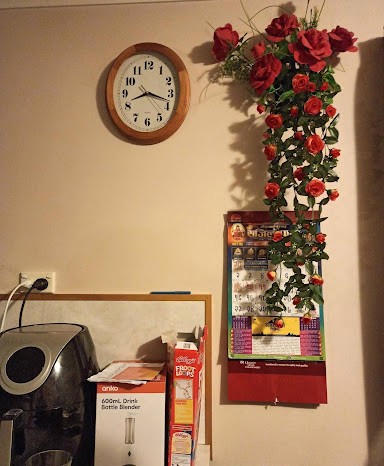
Fruit Loops and Bhittay Patro (Nepali wall calendar)
When engagement with the outside world is a series of translations, the home and the kitchen garden become a refuge. Many Bhutanese spend significant time and energy on their kitchen gardens, a space and activity that feels familiar and maybe, even intuitive. The humble kitchen garden, thriving with raaya ko saag (mustard leaves), iskus (chakos), dalle khorsani and chillies of different varieties, makaai (maize), farsi (pumpkin), rukh tamatar (tamarillo) etc., is not just any ordinary garden. It is a space that is intentionally cultivated, honed, and cared for. Not only does the garden keep the memory of home and food cultures alive, the familiar action of hoeing, weeding, planting, watering, harvesting, fermenting also lends a sense of confidence and purpose. For those whose knowledge and experience do not find meaning in their new settlement, the kitchen garden becomes a space where they are still purposeful, productive, and valuable.
When engagement with the outside world is a series of translations, the home and the kitchen garden become a refuge.
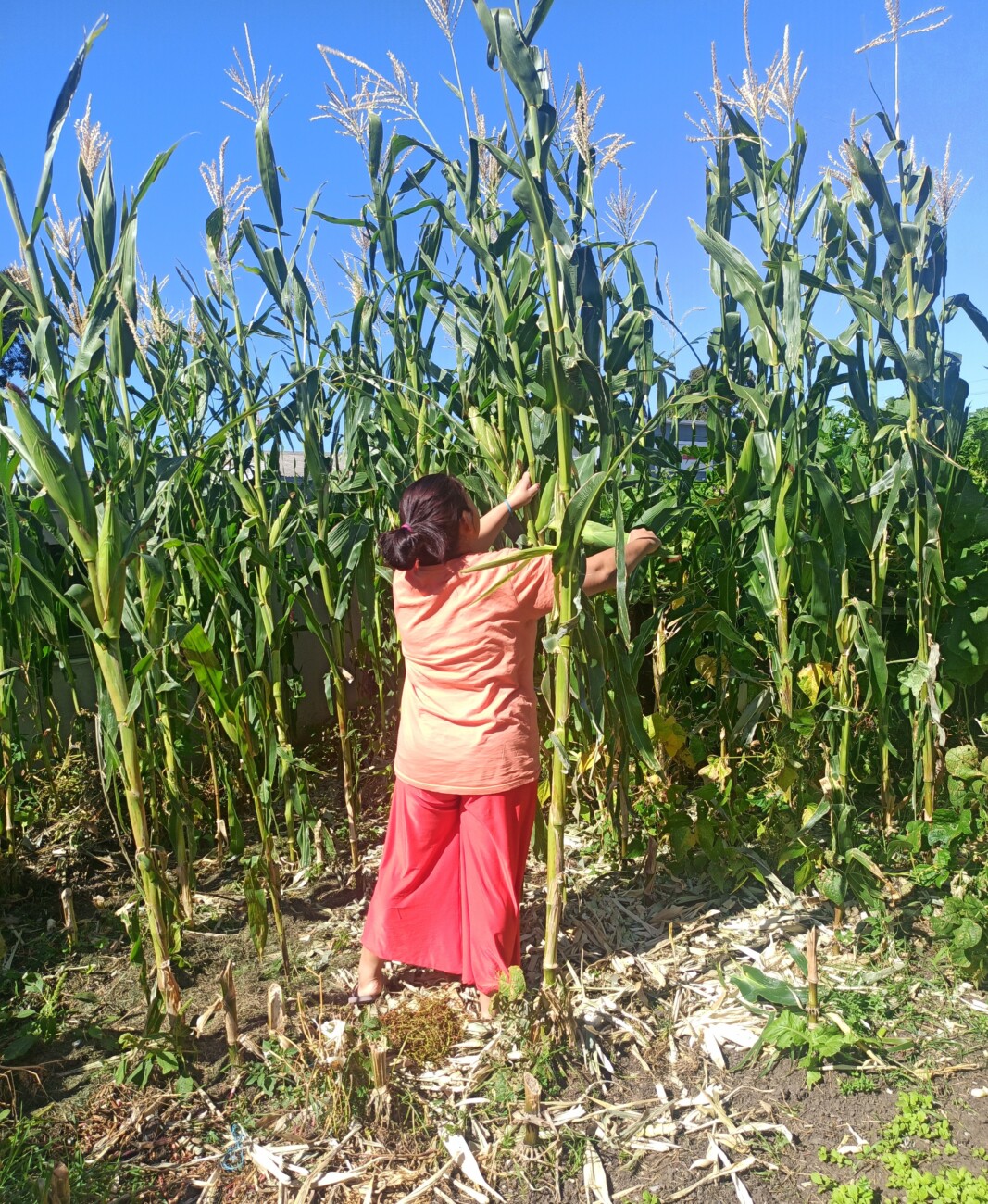
Maakai reaching for the blue sky
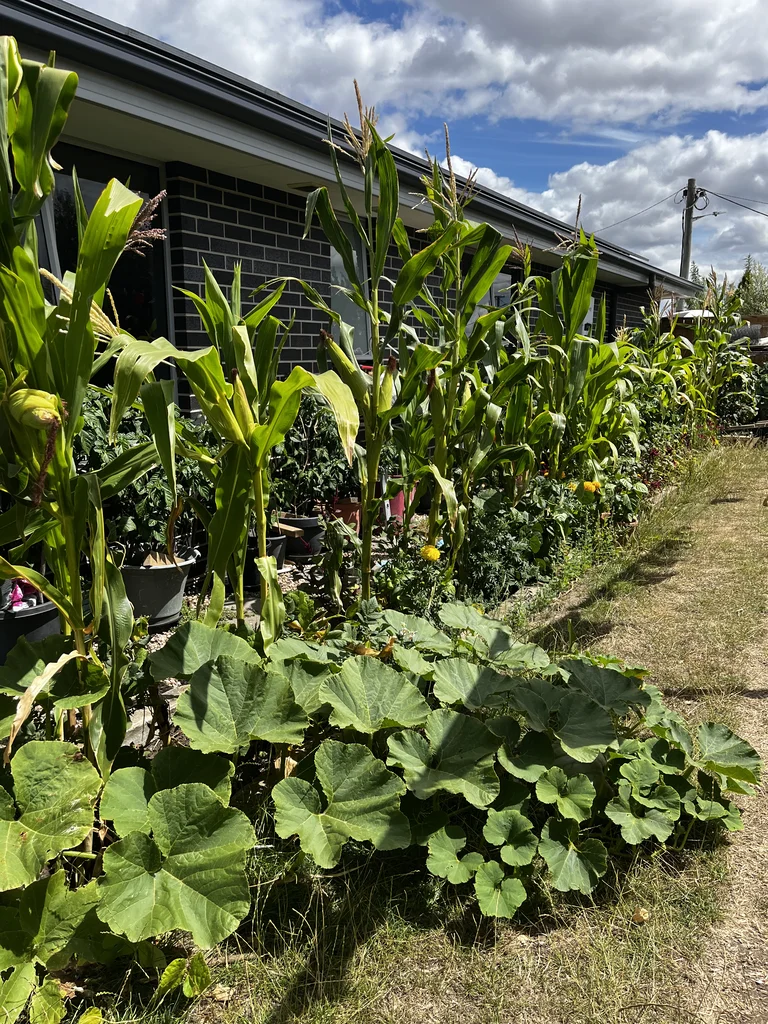
Wherever there is space, there is a baari (garden)
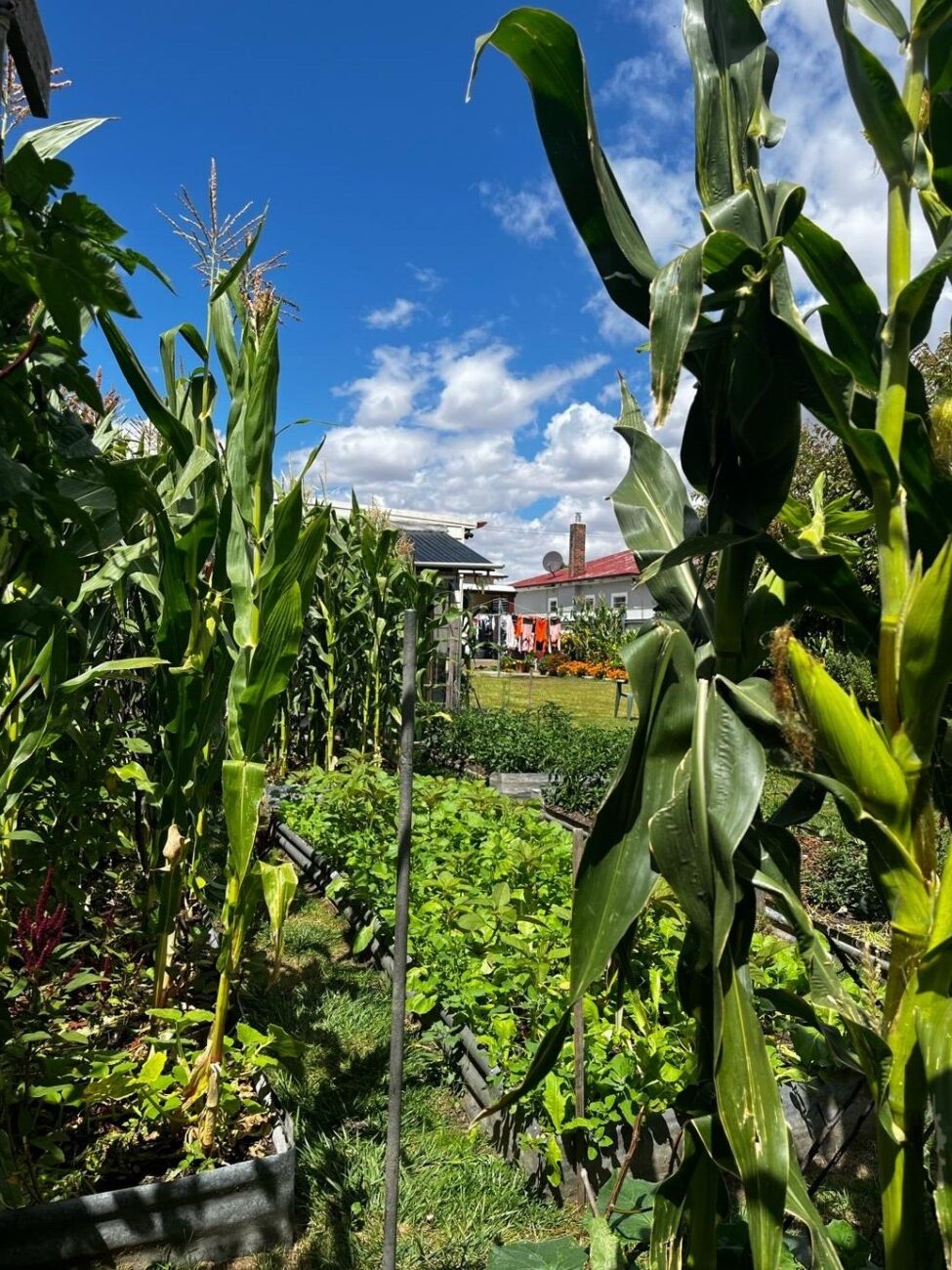
The colour of resilience
Making home is also difficult when there are multiple versions of home. For most Bhutanese in Launceston there are at least two versions of ‘before’ and ‘after’ – before and after Bhutan, before and after the camp in Nepal. While Bhutan is home, the camps were also home for more than two decades before third-country resettlement began in 2008.
Making home is also difficult when there are multiple versions of home.
Life in the camp was difficult. Families lived on meagre rations provided by the World Food Program, and the goodwill of their neighbours when they ran out of basic necessities. Memories of harassment and discrimination by their Nepalese neighbours who lived in the camp vicinity still throbs and smarts; they remember the hardship of earning just a fistful of money, enough only just to get by. However, despite the everyday struggles, the camp provided community, friendship and solidarity. Most Bhutanese, young and old, still reminisce about this sense of community and closeness that they shared in the camp; the physical proximity of houses and peoples perhaps heightened these relationships. Once re-settled in Australia, lives have become busier, houses farther apart and the need to borrow sugar or oil does not arise anymore.
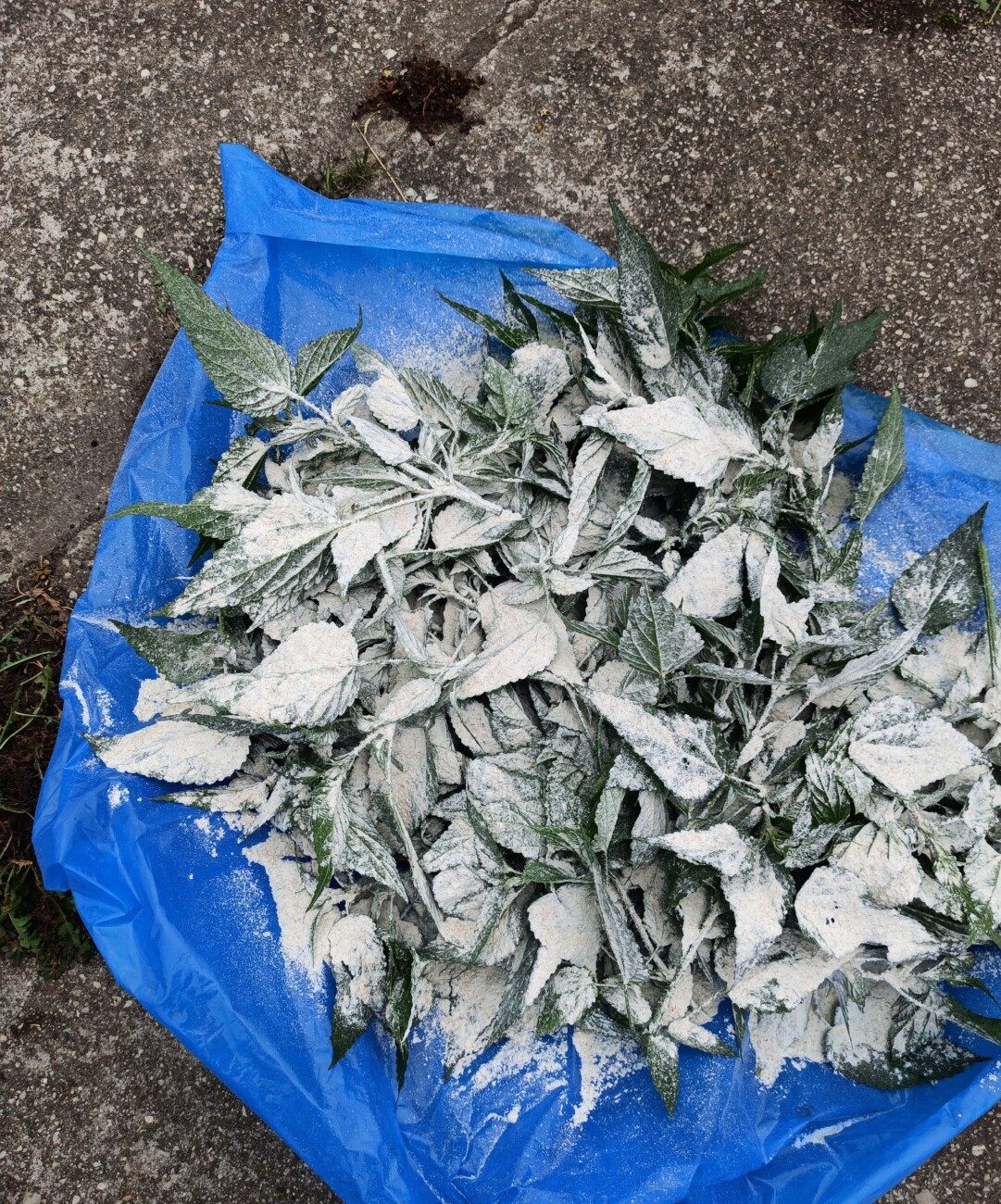
Collective memories of sisnu-pani (punishment) and nourishment
Yet, there is familiarity and closeness still; community members celebrate festivals and various cultural events together, and support each other through difficult times. They remain connected with other Bhutanese around the world through social media, which offers moments of comparison and reflection on how their lives have changed so far. TikTok has had a transformative effect on middle-aged women especially who enjoy watching and making videos together, much to the chagrin of their children, who had never witnessed this singing and dancing versions of their mothers before.
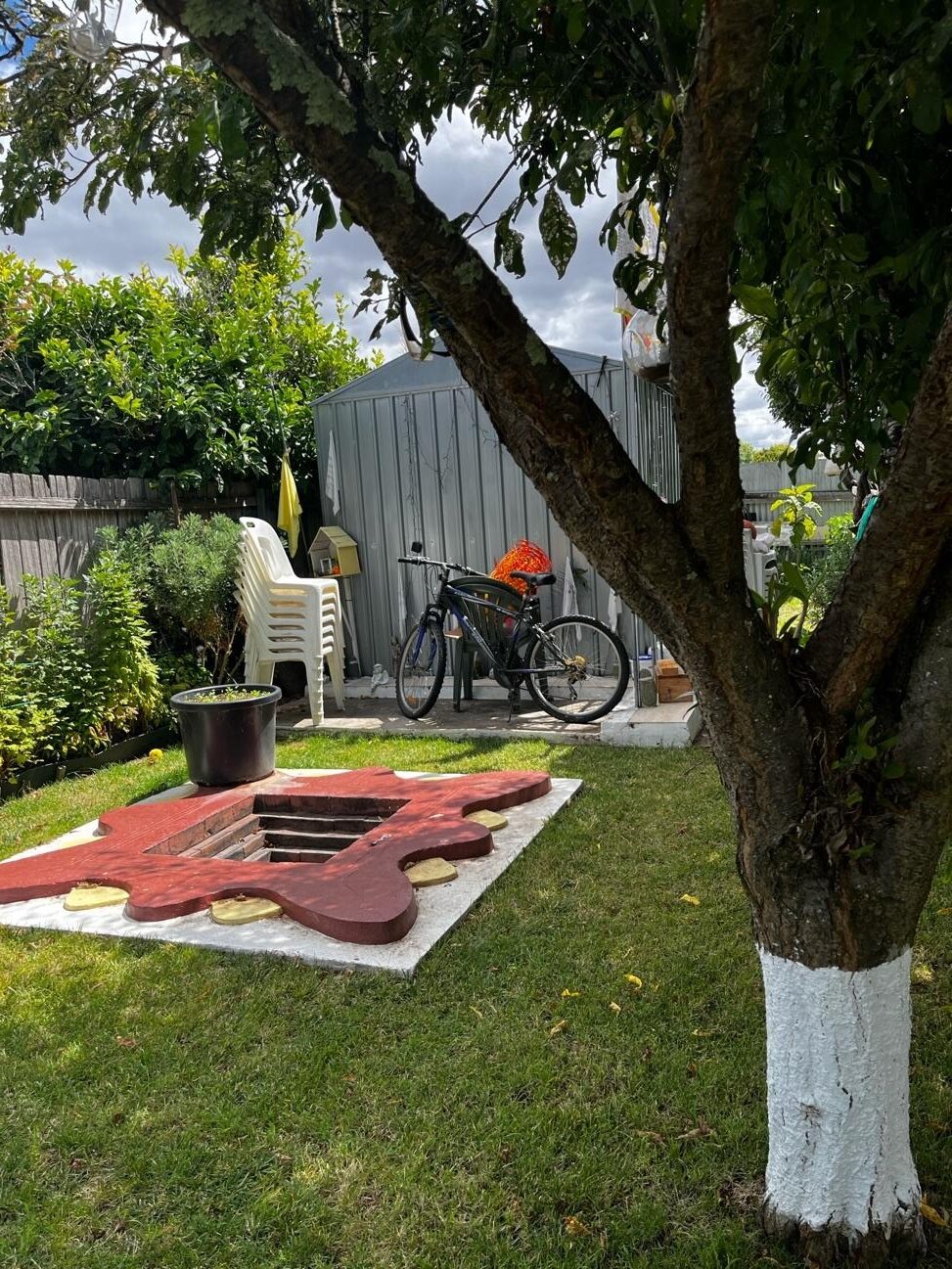
New home, newer religious syncretism
Resettlement has been transformative on many other levels too. It has encouraged, compelled or forced Bhutanese men and women to go above and beyond their comfort zones, to adapt once again to a new place and situation, none of which they asked for in the first place. For a community that had lived within the confines of a camp for more than two decades, the possibility of freedom- to choose where to live, work, travel- was perhaps a daunting proposition. While there were many fears and challenges, necessity often forced change; overcoming them also meant mobility and financial independence, which was truly transformative, especially for women. However, while most embraced Bhutanese new opportunities to study, work, earn, some were unable to face these challenges.
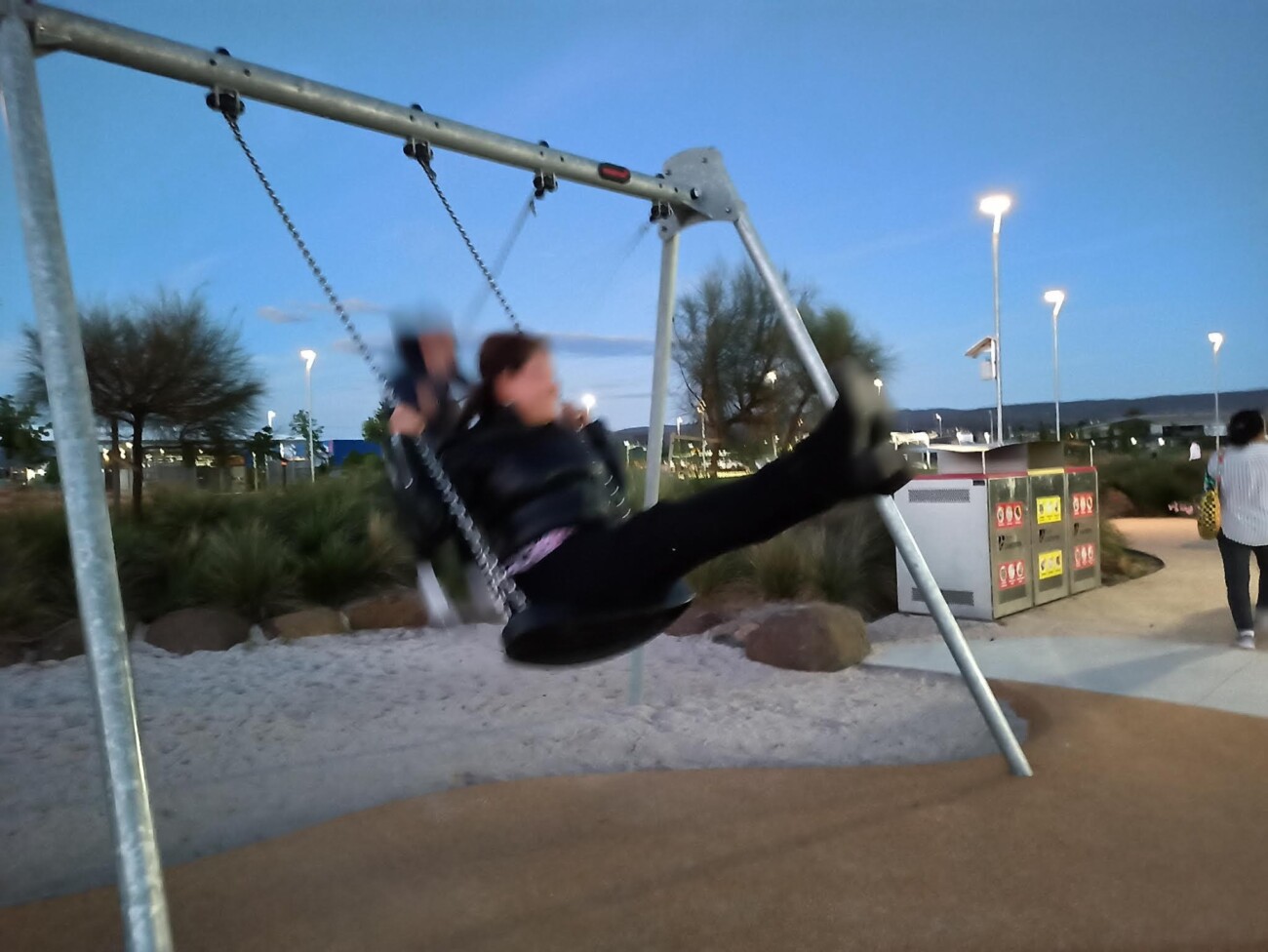
Free and fun in the Launceston twilight
While memories of Bhutan, the displacement and settlement in the camps are firmly etched in the minds of the older generation, they hold a different place in the lives of the younger Bhutanese, born in the camps in Nepal, who came to Australia at a young age. This generation of youth have a shared sense of distinction as Bhutanese, despite having never been to Bhutan. Maybe this distinction from other Himalayan nationalities comes from their shared experiences of socio-economic hardships, their political limitations as refugees and restricted mobility beyond camp boundaries. This distinction is also shaped by their experiences as young refugees in Australia, often living in outer suburbs, and attending underfunded public schools. In the early re-settlement years, many young Bhutanese experienced racism and ostracization from their peers which pushed them towards each other and other young people from the Global South. While Bhutanese youth work across different sectors and have friends and colleagues from different communities, they often tend to socialise mostly within the Bhutanese community – maybe it’s the comfort and familiarity of language, food, music, social norms and their shared refugee background; which in turn strengthens their bonds and identity as Bhutanese, even across state borders.
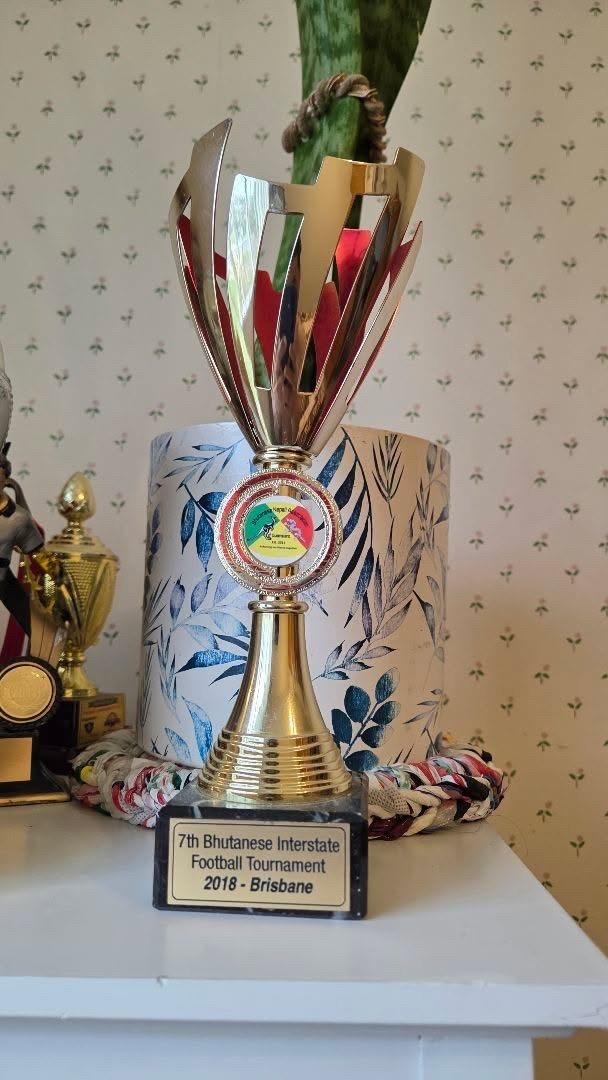
Keeping Bhutanese -ness alive
However, this generation could be the last generation of Bhutanese youth to speak Nepali fluently and share this sense of Bhutanese-ness whilst also embracing Australian norms and practices. For the generation that was born in Australia, being Bhutanese is a part of their history and heritage, but perhaps not central to their identity.
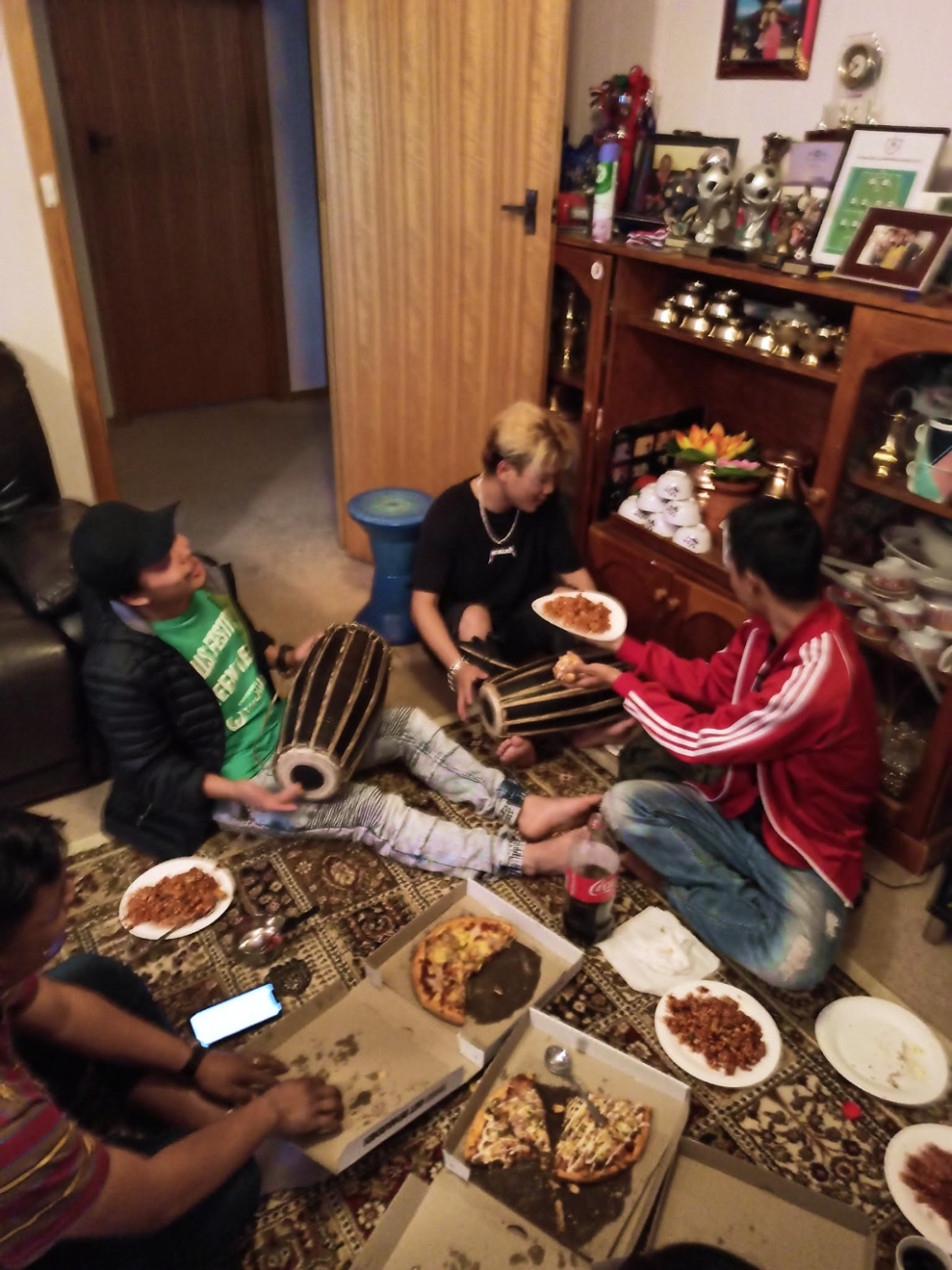
Pizza, Chaatpate, and Nepali songs
Conclusion
When Bhutanese families left their camps in Nepal, they were not entirely sure of where Australia or Tasmania was, what the people were like, or what they would do when they arrived. When they left the camps, every individual was allowed a single bag weighing 20 kgs each; many families did not even collectively own belongings that weighed the total weight allocated to their family. Those who arrived first reassured and guided others who followed. Accepting the re-settlement offer was, on many levels, a leap of faith in the system and themselves. While re-settlement has offered stability, the opportunity to belong to a country, and to participate in the world with equal rights, it is also a liminal experience wherein the Bhutanese are constantly negotiating different social worlds.
And while their story of adversity, resilience, failures and success is not unique to other refugee experiences, it is one that definitely warrants listening and understanding that refugee lives are not always resolved once they are re-settled.
Dr. Mona is a social science researcher and co-founder of Reading Himalaya, a research and policy consultancy dedicated to the eastern Himalaya. She has extensive experience in qualitative research, with a focus on social development, community engagement, and environmental issues across South Asia.