Life is defined by the moments an individual experiences during her journey, leading from birth to death. The kind of person one becomes during this journey is a reflection of the values guiding them. My grandmother, hailing from Hee Gaon, West Sikkim, was cheerful and inquisitive about life, always looking forward to the next day. She lived each day with utmost grace and dignity.
Life is defined by the moments an individual experiences during her journey, leading from birth to death. The kind of person one becomes during this journey is a reflection of the values guiding them. My grandmother, hailing from Hee Gaon, West Sikkim, was cheerful and inquisitive about life, always looking forward to the next day. She lived each day with utmost grace and dignity.
My beloved grandmother (Boju/Yuma) recently passed away after battling health issues with the same zeal and humility with which she had lived her best days. She left for her heavenly abode on the 12th of February, the same date that her beloved husband (my dearest grandfather) had left us 11 years ago. I vividly remember my mom (Ama) recollecting the date while gently caressing grandma’s hand on her deathbed and saying, “Babu gako pani aaju ko taarik ho 12” (Today is the same date, when Dad had passed away, the 12th). To be so in love with one another that even when death arrives at the doorstep, it lingers to keep the soulmates together. The love that my grandparents shared has remained alive through us, the family.
Boju's demise was followed by multiple weeks of mourning and gatherings of people who visited us with the love that Boju had shared with them. During those days, there were many conversations about our grandmother's memories and anecdotes. She was the epitome of love and generosity, treating all living beings with kindness. She was truly sunshine personified. Losing our grandmother was a loss, but in knowing her, we gained far more than we could ever imagine. Her lessons on love, kindness, generosity, and to always keep one’s inner child alive are our biggest assets. Amongst all those memories, one that remains alive through her valuables is the hand-woven traditional Nepali corn husk mat, a circular hand-woven mat made of dried outer corn husks. These circular mats have always been an essential component across traditional households of different communities in Sikkim. The Limboos (Subba) are one such tribal community that obtains many materials from nature, making them objects of daily use. Some of the common items include the traditional tongba ( a container made of bamboo for drinking fermented millet), doko ( a woven bamboo basket used for carrying goods and products ranging from musical instruments to religious items), etc. Nature is a fundamental and inherent part of the Limboo community.
Losing our grandmother was a loss, but in knowing her, we gained far more than we could ever imagine. Her lessons on love, kindness, generosity, and to always keep one’s inner child alive are our biggest assets. Amongst all those memories, one that remains alive through her valuables is the traditional Nepali mat, a circular hand-woven mat made of dried outer corn husks.
The circular hand-woven traditional corn husk mat (pira) is a common item in Limboo households. What made my Grandma’s work of art even more special was her dedication to using plastic waste wrappers to weave the mats. Instead of using traditional materials like dried husks of corn, she used the waste wrappers collected from our household's garbage and processed them, making them suitable for weaving. Every step was done meticulously by hand and with a lot of patience.
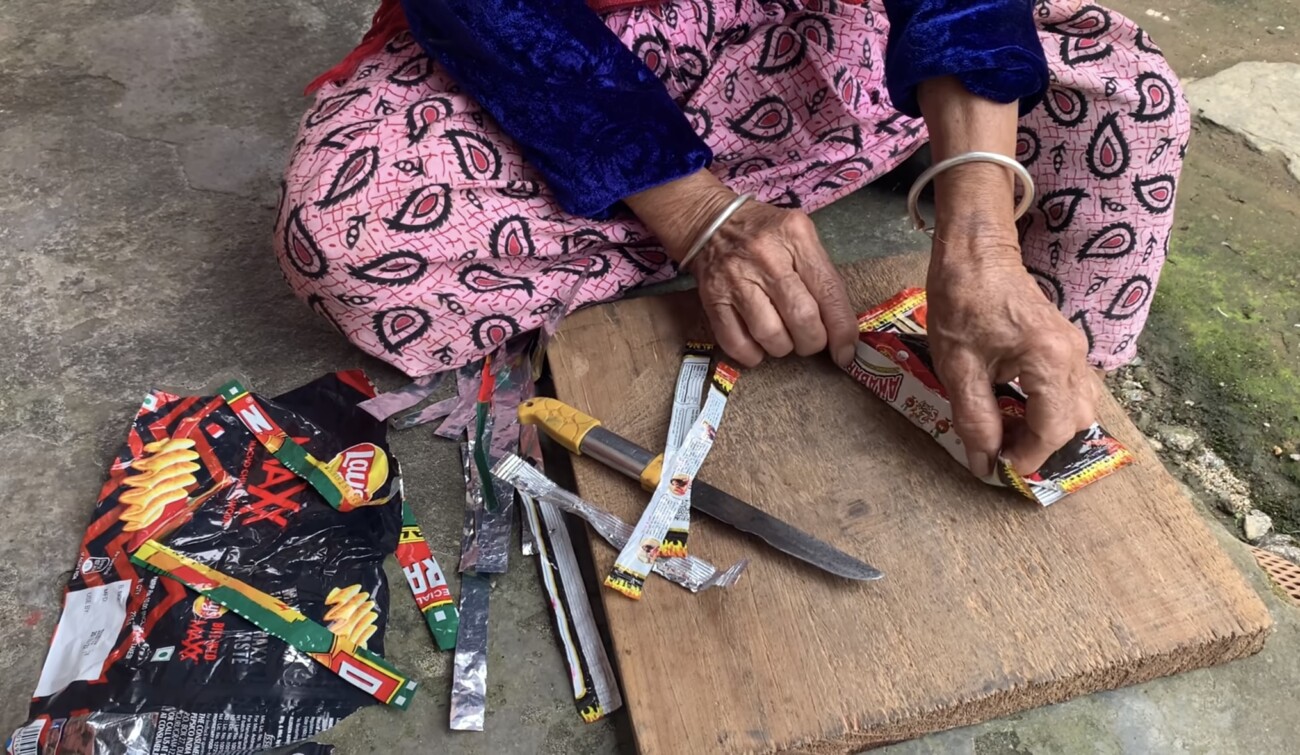
The circular hand-woven traditional corn husk mat (pira) is a common item in Limboo households. What made my Grandma’s work of art even more special was her dedication to using plastic waste wrappers to weave the mats. Instead of using traditional materials like dried husks of corn, she used the waste wrappers collected from our household's garbage and processed them, making them suitable for weaving. Every step was done meticulously by hand and with a lot of patience.
Recollecting a conversation that I had with her, which has been archived in a video, she carefully selects each piece of plastic and cuts with a kitchen knife to prepare the raw material for the mat. When I asked her how long it takes to finish weaving one standard-sized mat, she answered with her gleeful smile, "It takes me a week or around 15 days to make one from scratch, but if the plastics are already prepared, I can finish one mat in a week. Sometimes, I weave inconsistently, but mostly whenever I get a break from my usual routine".
Her commitment to weaving these beautiful mats, which also served a significant functional purpose in homes, was due to her dedication towards the craft and the family. She didn’t just make them to store at her house or to sell for profit; her only intention was to gift them to her family members as a token of love. For my grandma, one of the things that she treasured the most was her family. She wove these mats and made sure that every household of her children would possess them. In an old conversation with her, my grandma told me that she had already gifted the mats to my uncle (mama) a few days back. These mats are her memento. In our house, my mom has kept them carefully, as a decorative piece or using them on the traditional stools; every corner of the house has a piece of my grandma’s love. Even during the days of her final rites, I noticed how things such as the deceased's favourite clothing and hobbies left in the form of artefacts, like the mats made by grandma, held so much sentimental value. My mom and aunt converse deeply about grandmom’s favourite sarees while recollecting their favourite memories of their mother. That is when my aunt looked at the mat placed near grandma’s bed and reminisced about how her mother made sure to weave many mats to gift them to as many people as she could.
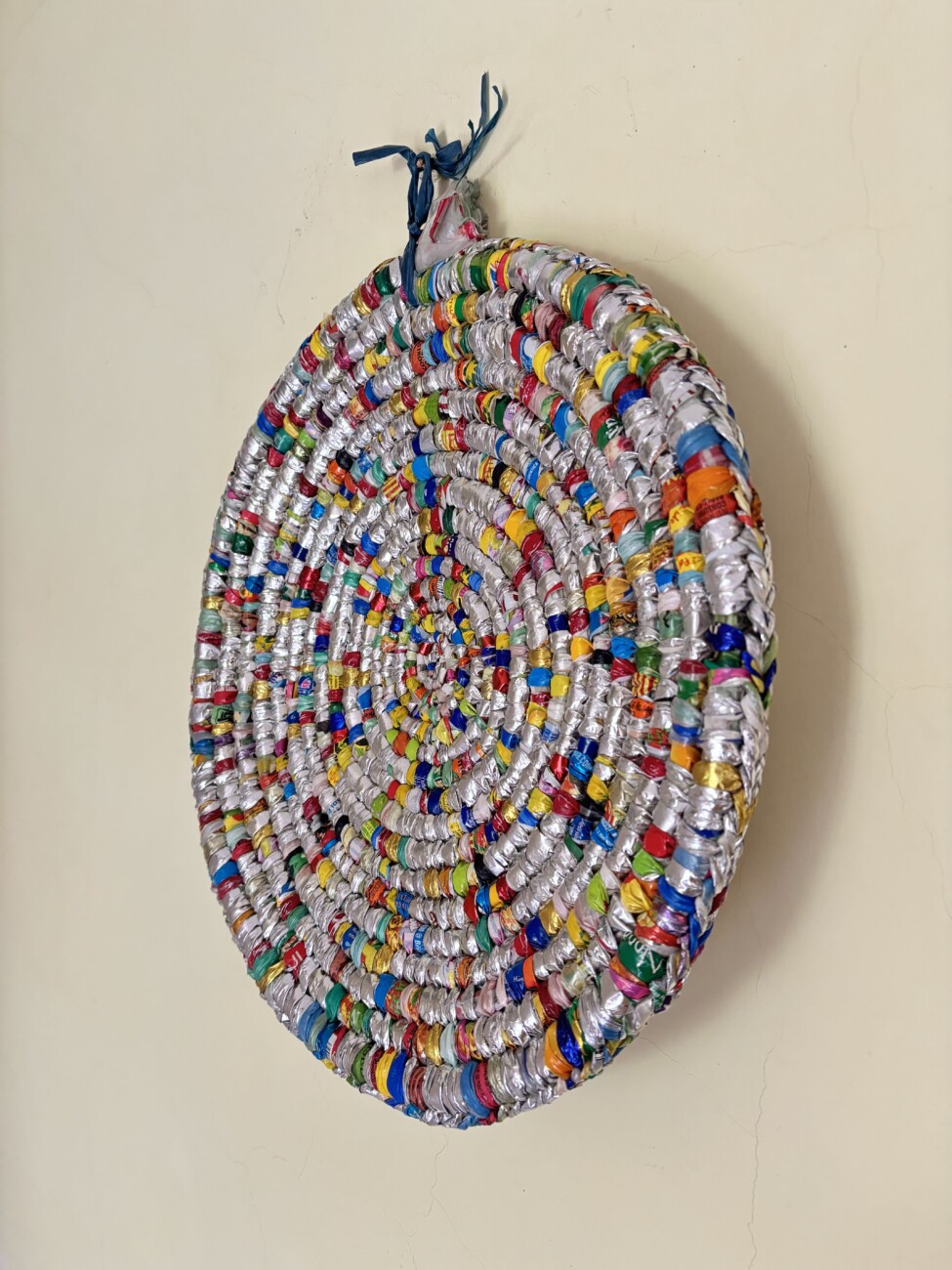
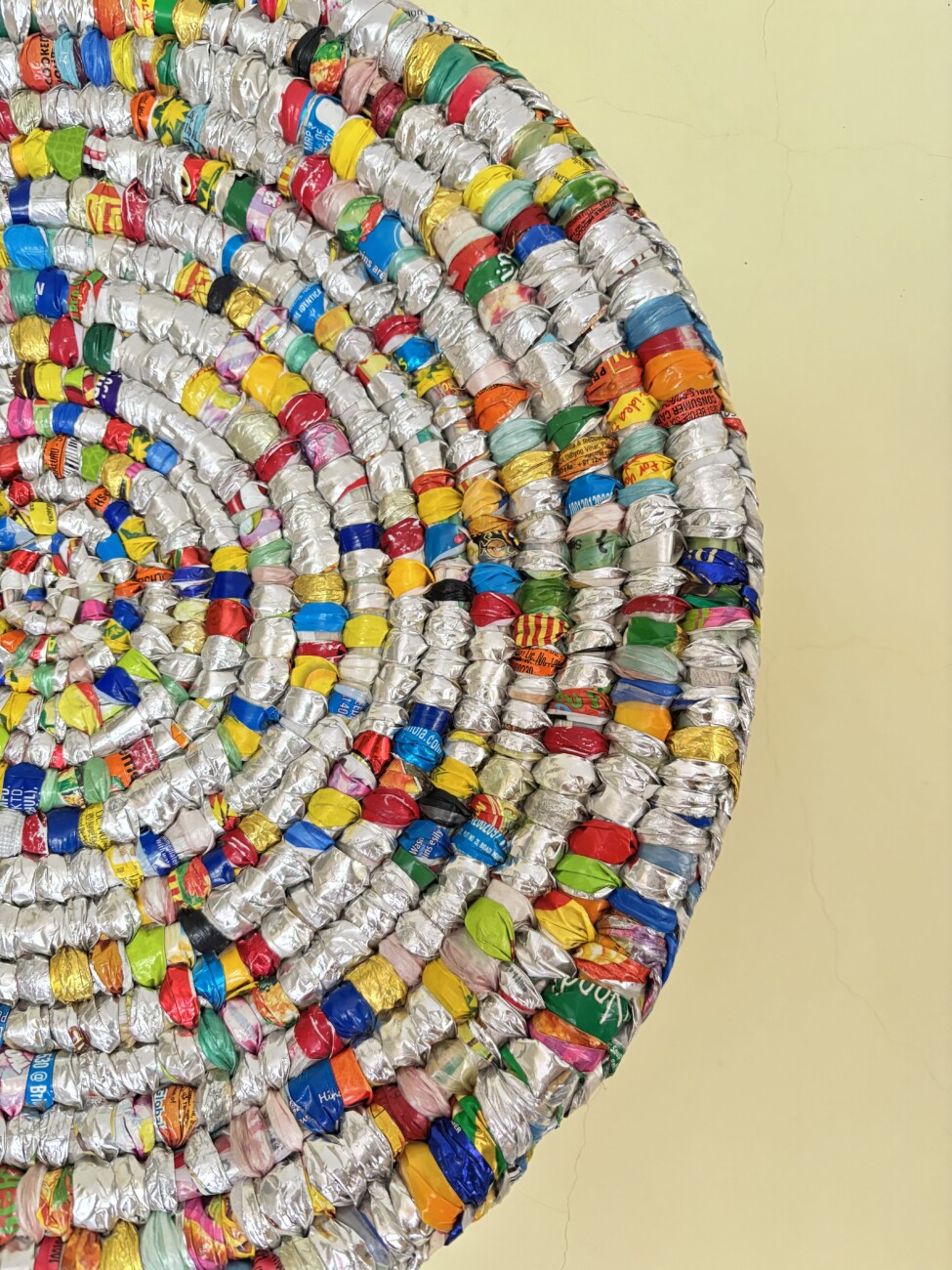
My grandmother (Boju) never knew about the term ‘sustainability’, having received no education on the concept of recycling and having no training on environmental protection, yet she played her part responsibly in fulfilling the values it encompassed. This is the difference between their generation and the current generation that we belong to. We have ample information about sustainability to write multiple essays or share on social media posts, but we lack the basic skills to take action.
My grandmother (Boju) never knew about the term ‘sustainability’, having received no education on the concept of recycling and having no training on environmental protection, yet she played her part responsibly in fulfilling the values it encompassed.
Losing my grandma and her art of weaving these mats not only indicates a declining traditional skill, but also the lost virtue of patience. Traditional art forms of tribal communities such as the Limboos are more than just an archival piece, it is a blend of culture, history and a testament to their identity. With the gradual passing away of the older generation and the shift in socio-economic priorities, the traditional handicrafts, such as these woven mats, have become a vanishing craft in Sikkim.
Starting a project of your own also means having the patience to build things from the ground up. I don’t think my grandma ever thought about making profit from her creations or about the term ‘sustainability’. All she knew was that using the waste plastic wrappers as an alternative to the dried husks of corn was the right thing to do, and gifting them to her loved ones came naturally to her.
This made me realise that the concept of environmental sustainability is as simple as it can get. We do have the knowledge about sustainable waste management, and we spend hours studying about it, but what is more important at this hour is to be careful in our daily actions. To be sustainable requires neither education nor digital literacy; one can attain sustainability by actually taking small actions. To belong to a tribal community also means to be aware that sustainability is intrinsically linked with our culture and identity, deeply ingrained in our past and future.
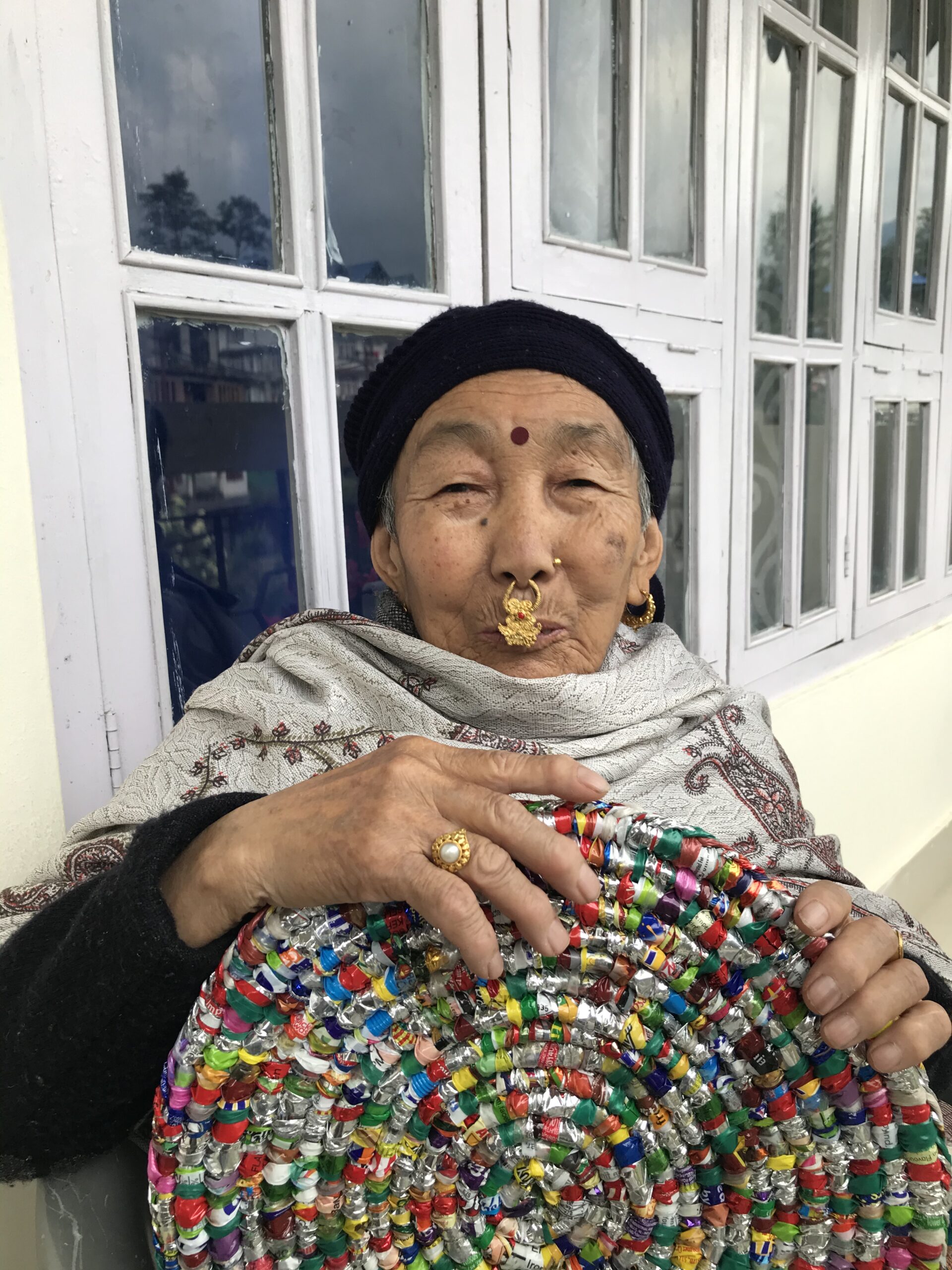
Photo: Ikla Subba
This made me realise that the concept of environmental sustainability is as simple as it can get. We do have the knowledge about sustainable waste management, and we spend hours studying about it, but what is more important at this hour is to be careful in our daily actions. To be sustainable requires neither education nor digital literacy; one can attain sustainability by actually taking small actions. To belong to a tribal community also means to be aware that sustainability is intrinsically linked with our culture and identity, deeply ingrained in our past and future.
Ikla Subba is a research scholar pursuing a PhD in the Department of Mass Communication, Sikkim University. She hails from Hee Goan, West Sikkim. Her work revolves around the culture, traditions and the indigeneity of the Limboo community. Her writings have been published in the Sikkim Express (English Daily Newspaper) and the Campus Voice initiative of The Print.



She’ll live in you forever iku
I'll try sustaining her legacy and kindness.
I love how every corner of your house is filled with your Boju’s love and the spirit of sustainability!
Her sustainable habits were way ahead of time. Thank you.
Boju’s contribution to our society is a great legacy in itself. Keeping that legacy alive through the power of the written word is truly a remarkable achievement by Ikla Bhaini.
I feel proud of all those grandchildren who dedicate themselves to preserving and sharing the craftsmanship, wisdom and life stories of their grandparents with the world.
Congratulations, Ikla, on this superb piece of writing. May your pen continue to inspire future generations and keep this precious heritage alive.
It is true about the legacy Sir. Hope this piece of writing reaches to the right audience of upcoming generation.
Loved it.
May her soul rest in peace
Thank you for your contribution (Boju).
Thank you for your kindness.