Cultural heritage is the legacy of physical objects, traditions, beliefs, and practices that are passed down from one generation to the next. It encompasses both tangible heritage, such as monuments, manuscripts, sculptures, paintings, historical artifacts, and intangible heritage, including folklore, rituals, customs, oral traditions, and the performing arts. Together, these elements reflect the cultural values of a society. Cultural heritage not only connects communities with their past but also strengthens their sense of identity and continuity. Preserving this heritage is, therefore, essential to maintaining cultural diversity and ensuring that future generations can continue to learn from and appreciate the achievements, traditions, and experiences of those who came before them.
Museums play a vital role in safeguarding and interpreting cultural heritage. Through museum collections, people gain insight into the objects used in everyday life, the artistic expressions of different periods, and the technological and cultural developments that have shaped human civilization. By preserving and displaying these collections, museums bridge the past and the present, allowing people to better understand how history continues to influence contemporary society.
Museums play a vital role in safeguarding and interpreting cultural heritage.
The long-term preservation of museum collections depends on effective conservation practices. In the context of museums, conservation refers to all measures and actions undertaken to safeguard cultural heritage. The conservation process is generally divided into three complementary approaches: preventive conservation, remedial conservation, and restoration. While remedial conservation and restoration involve direct treatment of damaged objects, preventive conservation focuses on avoiding or minimizing deterioration before it occurs. Its primary objective is to preserve an object's current condition, minimize the rate of deterioration, and reduce the need for costly and often irreversible restoration treatments. Preventive conservation, therefore, emphasizes creating and maintaining suitable environmental conditions rather than directly altering the object itself. By managing the environment surrounding museum collections, it is possible to significantly extend their lifespan while preserving their authenticity and integrity.
All cultural objects inevitably undergo deterioration over time. However, the rate and extent of deterioration are greatly influenced by external environmental and human factors, collectively known as the agents of deterioration. These agents represent the primary risks to museum collections and include physical forces, theft and vandalism, fire, water, pests, pollutants, light, incorrect temperature, incorrect relative humidity, and dissociation - the loss of information or separation of objects from their documentation. Understanding these risks is fundamental to the preventive conservation process because it enables museums to identify potential threats and take appropriate measures before irreversible damage occurs.
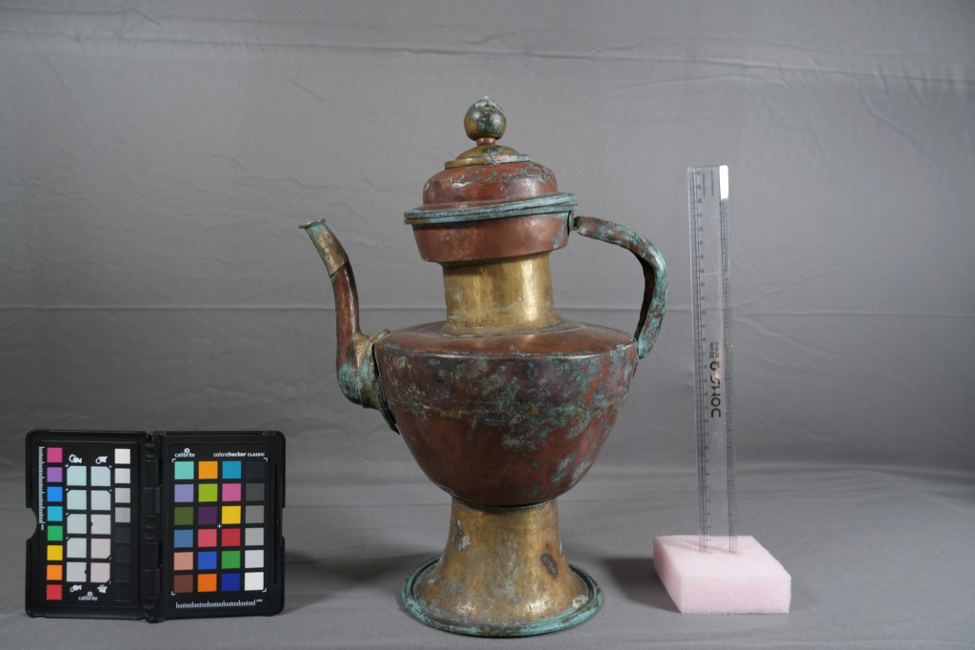
Credit: Tata Trusts
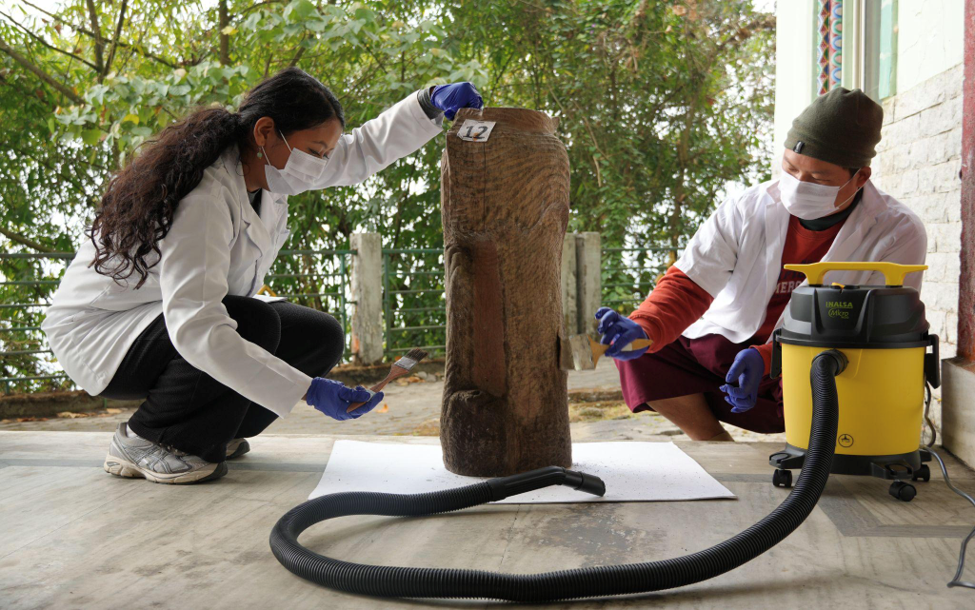
Credit: Tata Trusts
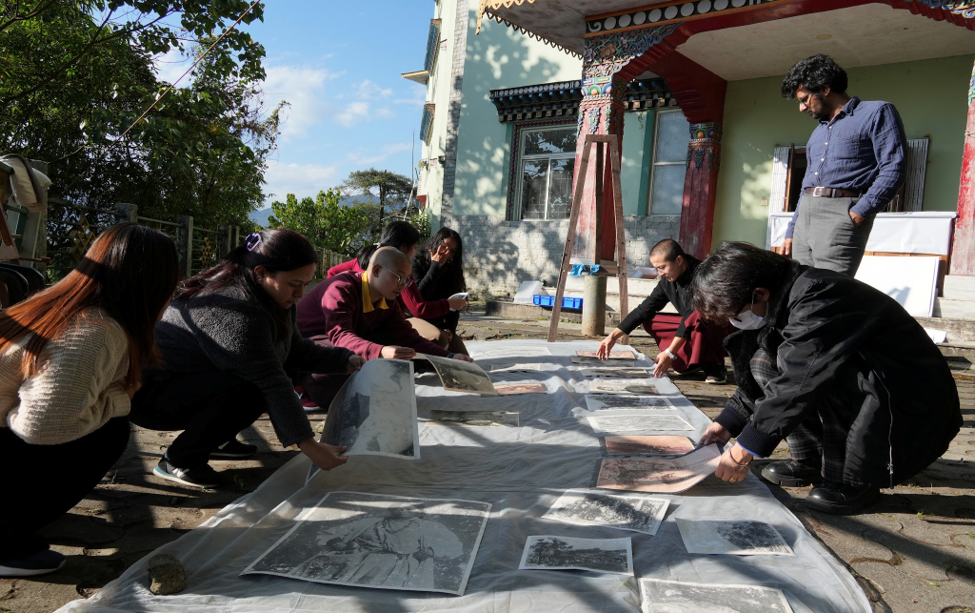
Credit: Tata Trusts
An essential aspect of preventive conservation is understanding the materials from which objects are made. Different materials respond differently to environmental conditions and, therefore, require different methods of care. Museum objects are broadly classified into organic and inorganic materials. Organic materials, such as wood, paper, leather, textiles, bone, and ivory, originate from living organisms and are generally more susceptible to fluctuations in temperature, humidity, biological attack, and light exposure. In contrast, inorganic materials, including stone, ceramics, glass, and metals require different conservation strategies. Correctly identifying an object's material composition allows conservators to predict its vulnerabilities and develop appropriate preventive measures.
An essential aspect of preventive conservation is understanding the materials from which objects are made. Different materials respond differently to environmental conditions and, therefore, require different methods of care.
Preventive conservation is fundamentally a process of risk management, aiming to minimize the impact of the agents of deterioration before significant damage occurs. A widely accepted approach involves five progressive levels of risk management: avoid, block, detect, respond, and recover. These levels are arranged from the least to the most interventive, emphasizing that preventing damage is always preferable to treating its consequences. For example, the risk of fire can first be avoided by prohibiting smoking within museum buildings, blocked through the installation of fire-resistant doors and firefighting equipment, using smoke and heat detectors, responded to through well-planned emergency procedures, and, only as a last resort, recovered through conservation treatment after damage has occurred. Applying these principles to all agents of deterioration forms the foundation of preventive conservation, enabling museums to protect their collections in a systematic, sustainable, and cost-effective manner.
The key measures of preventive conservation are monitoring the temperature, relative humidity and pollutants of the environment surrounding the artifact. The documentation of objects, proper handling, maintenance like dusting and cleaning, re-organization of the collection, archival housing, integrated pest management, emergency preparedness and response; handling procedures and treating hazardous materials are important aspects of preventive conservation.
Why is Preventive Conservation important in Sikkim?
Preventive Conservation preserves our cultural identity and heritage, protecting it from deterioration, restoring and stabilizing damaged artworks, and is an important process that ensures the long-term survival of cultural treasures. Sikkim has rare items like indigenous artifacts of different communities. Many items are irreplaceable, such as religious manuscripts, thangkas, religious musical instruments, daily equipment, material culture and other indigenous objects. Some of these objects are no longer in use and are no longer produced.
The problems faced in Sikkim are monsoon humidity, mold growth, pests, soot, high seismic and fire risk which threaten and damage to the collection. The people of Sikkim can use preventive conservation to care for their objects of cultural heritage by using simple steps like dry cleaning, maintaining them from time to time, documenting their objects, and protecting them from pests. Well-preserved monasteries, museums, and heritage sites attract visitors and provide educational opportunities, contributing to the state's economy and cultural awareness.
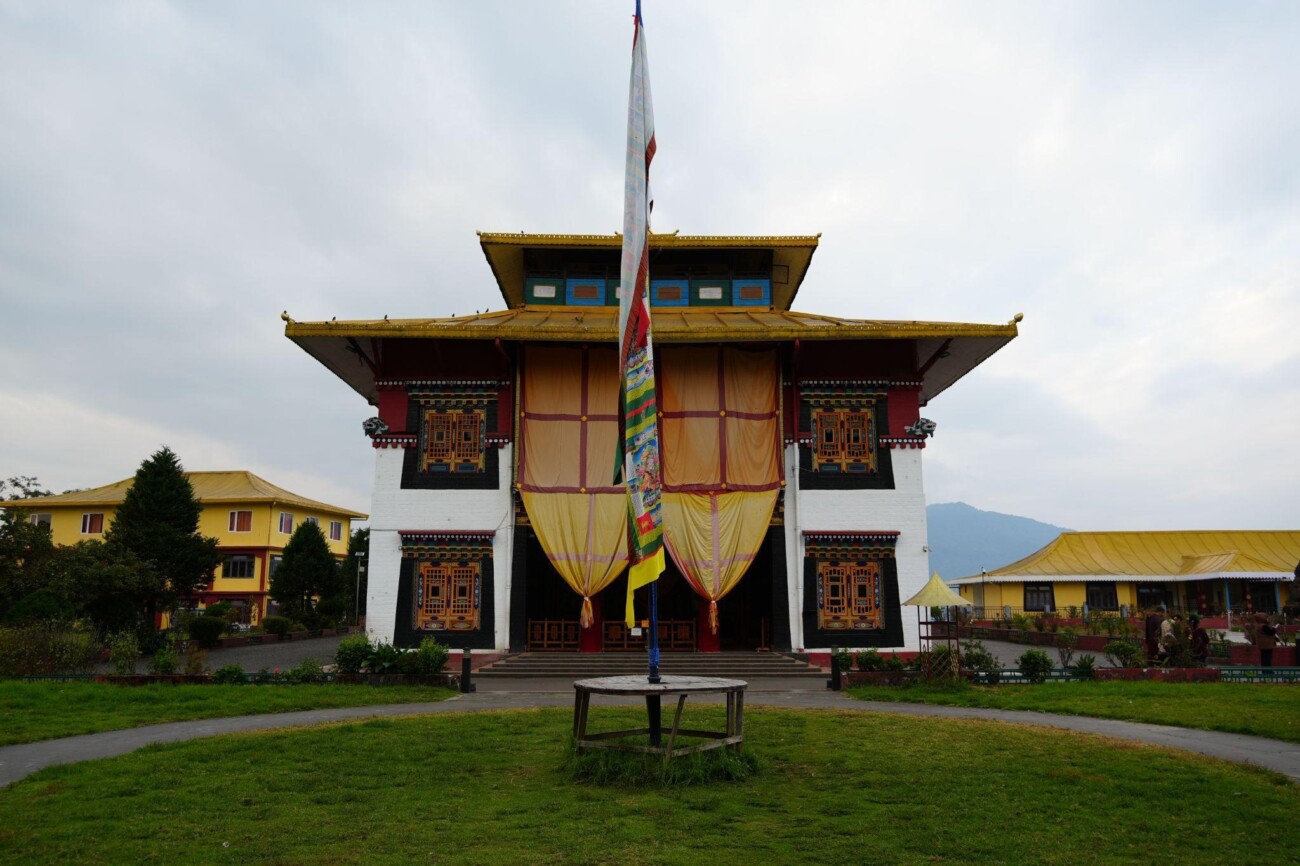
Credit: Tata Trusts
Credit: Tata Trusts
Sikkim is home to ancient monasteries, manuscripts, thangka paintings, sculptures, and traditional artifacts that are vulnerable to deterioration due to the region's humid climate, heavy rainfall, and changing temperatures. Preventive conservation involves maintaining proper storage conditions, controlling humidity, ensuring good ventilation, and regular cleaning and monitoring the collections to prevent damage from mold, insects and rodents. It also includes disaster preparedness measures to reduce the impact of earthquakes, floods, and landslides, which are common in the region. Preventive conservation is more cost-effective than restoration.
Preventive Conservation practised in Namgyal Institute of Tibetology, Gangtok, Sikkim
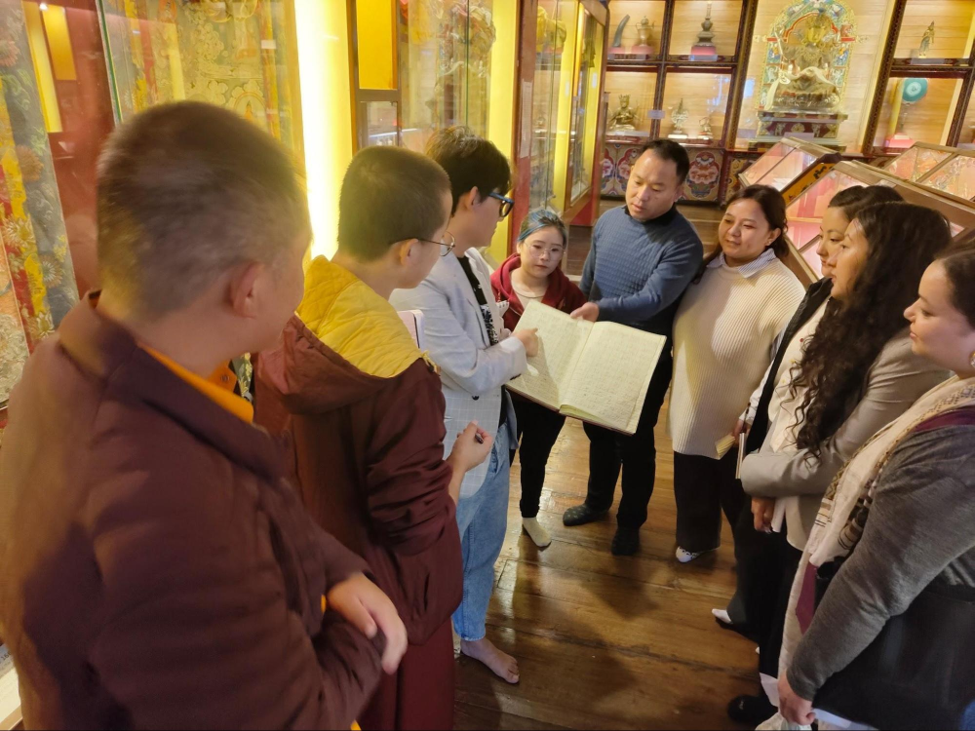
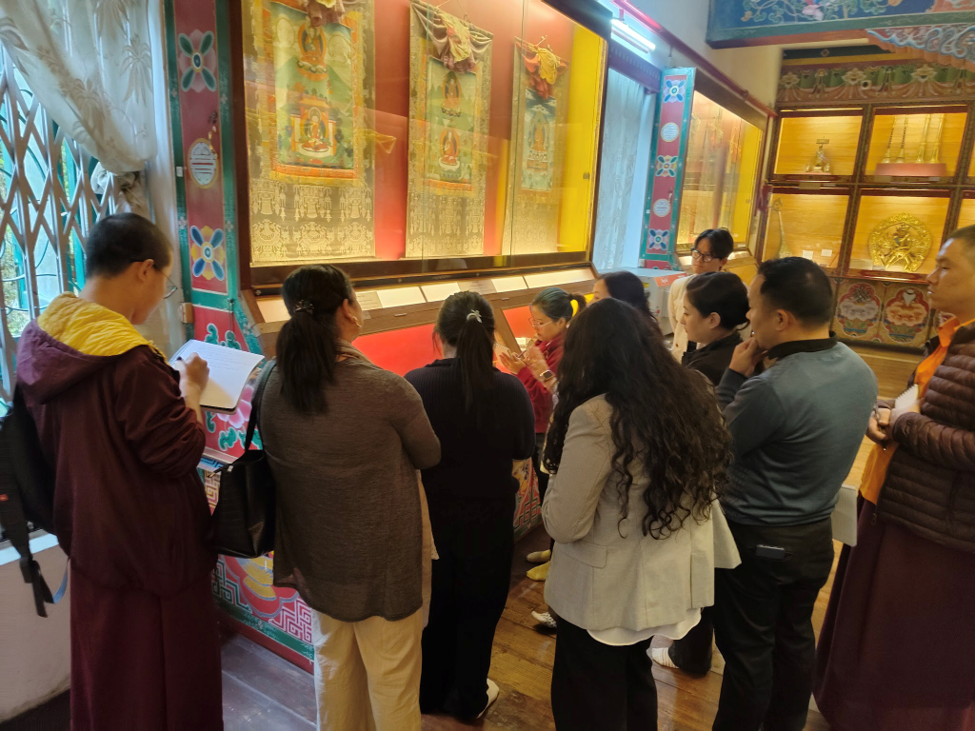
One of the important museums in Sikkim is the Namgyal Institute of Tibetology. It has a collection of old thangka paintings, sculptures, scriptures, coins amongst many historical artifacts. They are from the state as well as from the neighbouring countries like Tibet, Nepal and Bhutan. Preventive conservation is also used in the museum by regulating the relative humidity and temperature and monitoring. A dehumidifier is installed in the museum and is used on some days. The racks are placed above one foot away from the ground. Some of the boxes that have manuscripts have bags of natural herbs like clove to keep pests away. The thangkas are kept away from natural light as light damages the paintings. The collection of the museum is well maintained and preserved.
Credit: Tata Trusts
Credit: Tata Trusts
Conservation Workshops in Sikkim State Museum and Archives
The Sikkim State Museum and Archives has been conducting workshops in conservation in collaboration with conservation institutes like The National Research Laboratory for Conservation of Cultural Property (NRLC), Tata Trusts Art Conservation Initiative and Himalayan Institute for Heritage and Art Conservation (HIMSHACO).
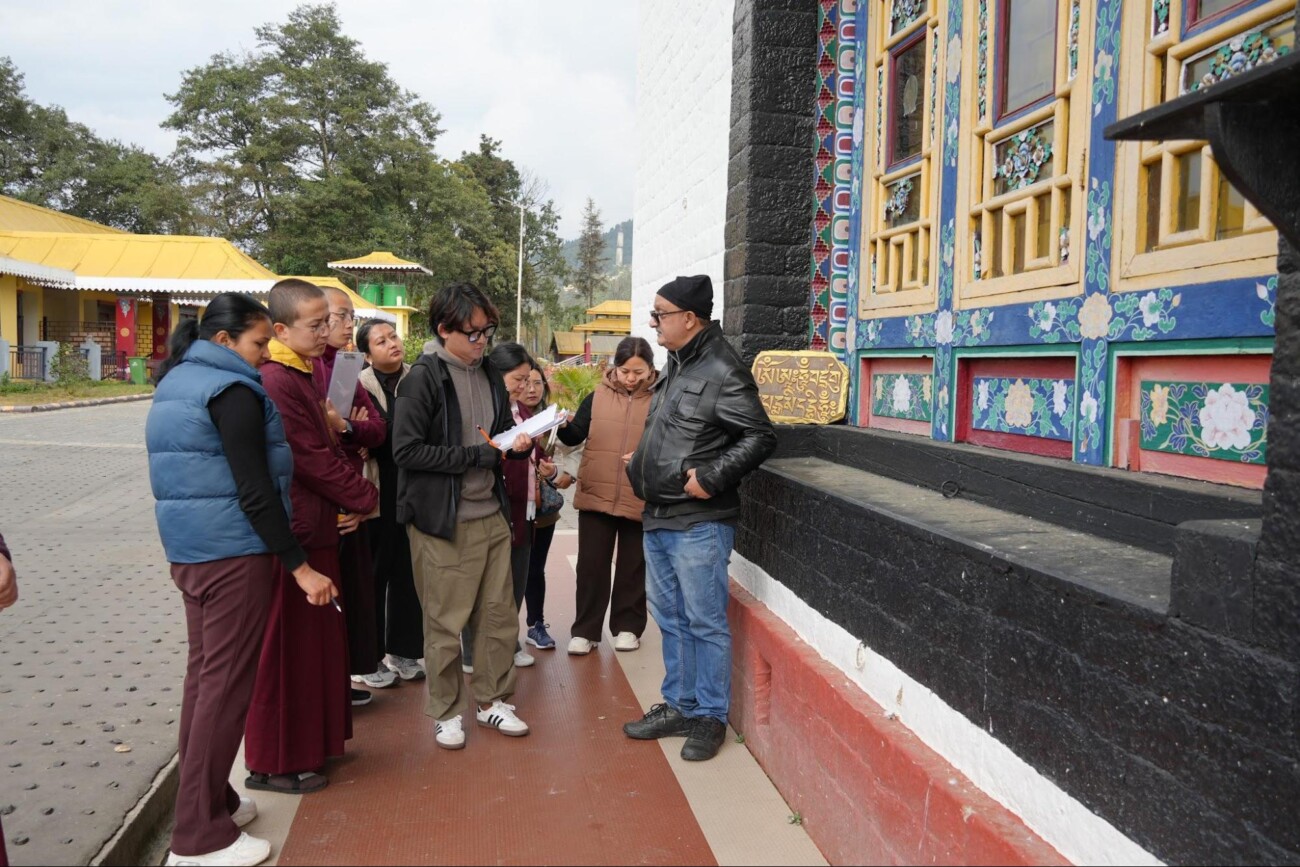
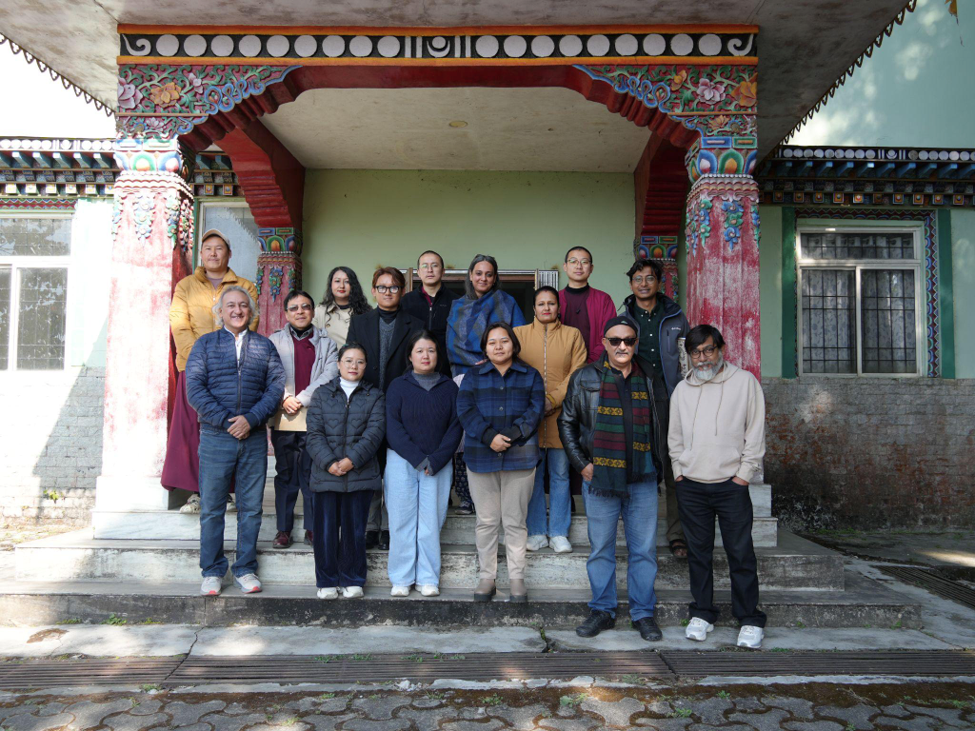
Recently, Tata Trusts Art Conservation Initiative, in partnership with the Kolkata Institute of Art Conservation and the Sikkim State Archives, the Government of Sikkim conducted a three month training workshop, between October 2024 to January 2025, in the Preventive Conservation of Cultural Material Heritage and Architectural Decorations. The workshop gave training to the staff of museums, scholars and various monks from different monasteries.
RE-ORG Method
Reorganisation also known as re-org method is a part of preventive conservation which is a step-by-step approach to help those who work with cultural and heritage collections to reorganize their current storage rooms, with the use of existing resources.
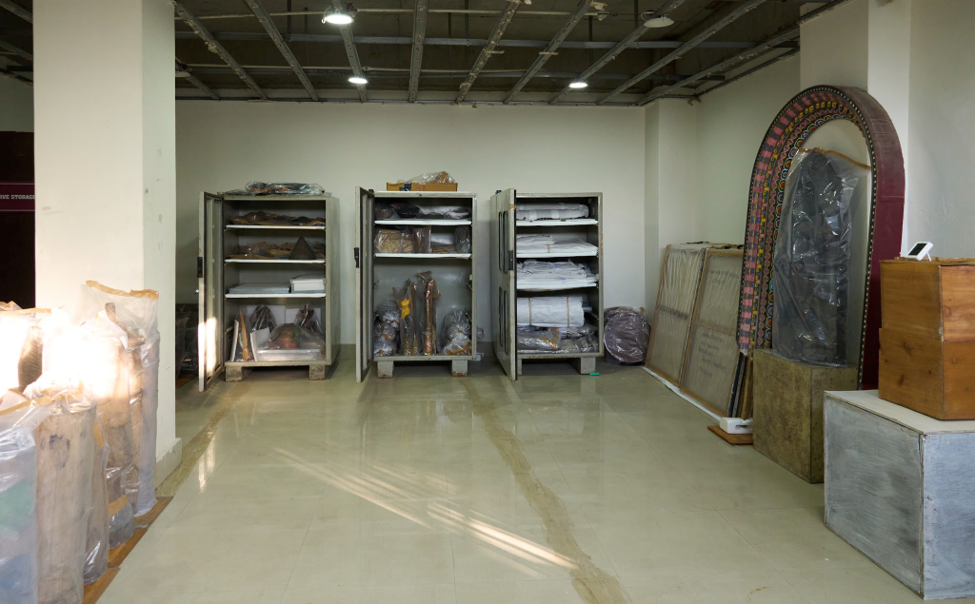
Reorganization of Reserve Storage of Sikkim State Archives
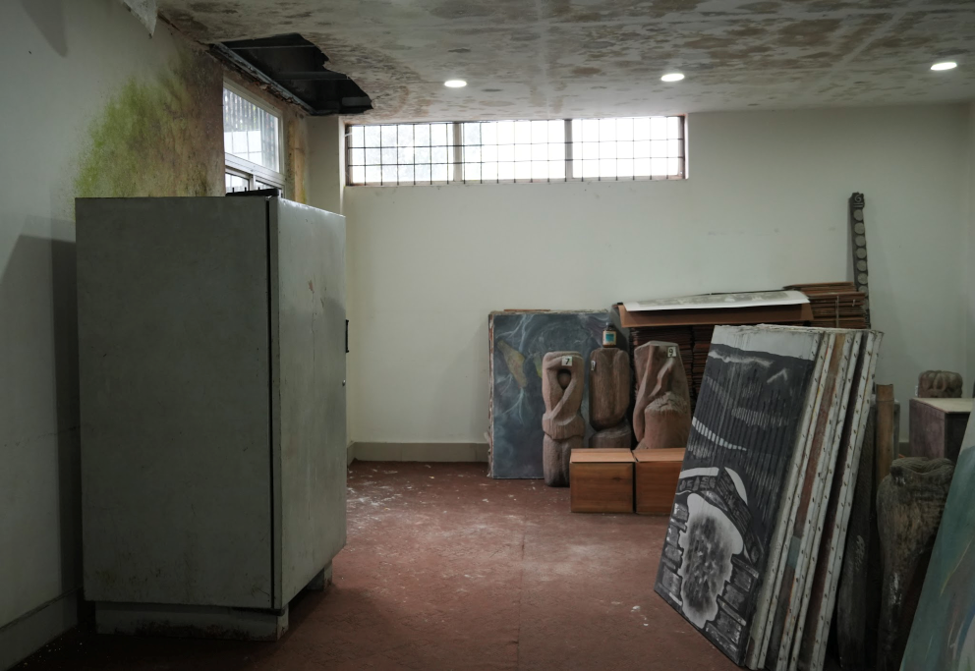
Prior to the reorg, the storage area had several issues that were harmful for the objects of cultural heritage and the overall condition of the space. It was in a state of significant disrepair. The combination of fungal and pest infestations, high humidity, improper storage practices, and lack of maintenance presented serious risks to the collection. Immediate action was necessary to restore the space, preserve the objects, and establish an organized, well maintained environment for the proper care of the collection.
Improvements Following the Reorganization of the Storage Area
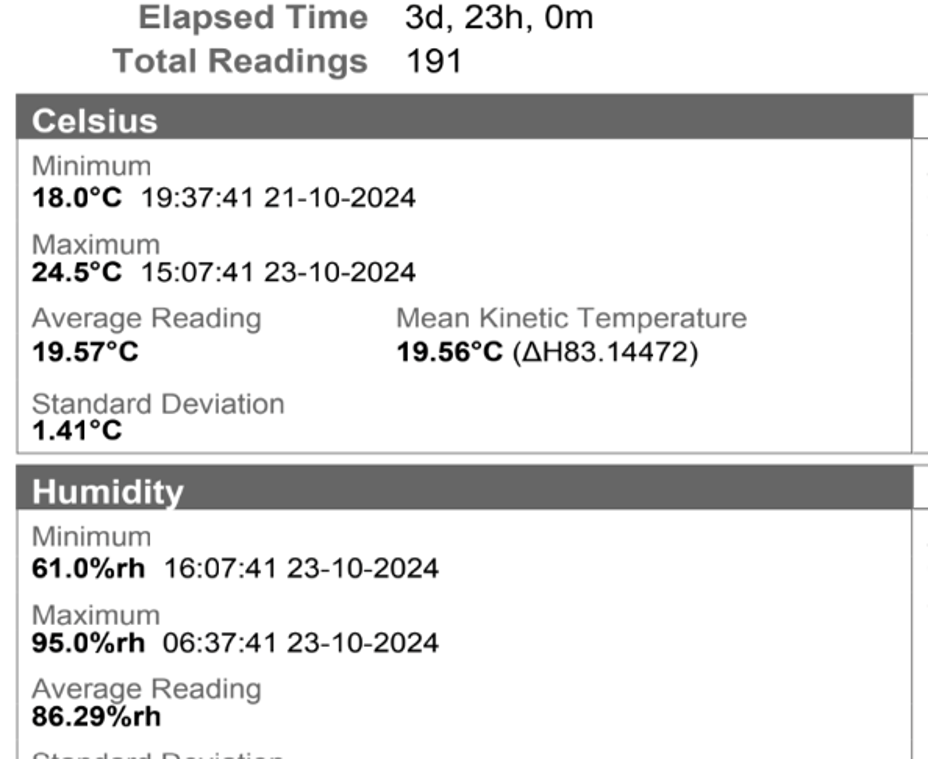
All objects were thoroughly cleaned, packaged, and stored with appropriate support to prevent physical damage. The relative humidity was reduced from 90% to 60% following the installation of an exhaust fan. The storage is now organized in a way that allows objects to be easily accessed and identified. The fungus and pest-infested wall has been disinfected, eliminating the source of contamination and ensuring a healthier storage environment. No objects are stored on the floor anymore. The storage room now looks clean and well-maintained. The storage area has been optimized for space, making more efficient use of available storage capacity. This has not only improved accessibility but also allowed for future addition of new items. Both temperature and relative humidity are now monitored daily to maintain optimal conditions for the collection. The re-org of the Reserve Storage Area of Sikkim State Archives and Museum has successfully transformed the storage area into a well-maintained, organized, and secure environment for the objects.
Credit: Tata Trusts
Credit: Tata Trusts
Exhibition and Awareness
An exhibition on the workshop highlighted the preventive conservation steps taken during the training course creating awareness about the importance of preventive conservation.
Reflections on the Training
In a region like Sikkim, which is rich in culture and tradition, material heritage plays a vital role in shaping our identity and preserving our history. This training course highlighted the importance of preventive conservation in protecting our cultural material heritage. We were introduced to the value of our heritage, the significance of documentation, and the various agents of deterioration that threaten our artifacts and its mitigation with disaster risk preparedness. More importantly, we learned practical measures to combat these threats.
The course equipped us with knowledge and skill to implement effective preventive conservation practices. Simple steps, such as dry cleaning, packaging, reorganizing, and environmental control, have contributed to the preservation of the artifacts of the State State Museum and Archives in Sikkim. Through the training programme we learned the basics of science, the history of Sikkim, environmental studies, preventive conservation of paper, photographic materials and textiles. We learnt the basics of photography and photographic documentation, handling of objects of the museum, the re-org process, disaster and risk preparedness, assessment, management and the setting up of an exhibition. We had field visits to the Directorate of Handicraft and Handlooms, the Botanical Survey of India, Namgyal Institute of Tibetology, Enchey Monastery and Tsuklhakhang Royal Palace Monastery which deepened our knowledge and understanding of our heritage. At the end of the training, we all worked together as a team to reorganize the Reserve Storage at the Sikkim State Museum. The training ended with presentations and reflections from the participants and curating an exhibition to create awareness amongst the people of Sikkim.
Preventive Conservation Strategies for Sikkim
Preventive conservation strategies in Sikkim should combine scientific conservation methods with indigenous knowledge and active community participation to ensure the long-term preservation of the state's cultural heritage. Maintaining stable environmental conditions through proper ventilation, humidity control, and suitable storage materials is essential, particularly for manuscripts, textiles, paintings, and wooden artifacts that are highly vulnerable to Sikkim's humid climate and prolonged monsoon season. Low-cost preventive measures such as improved ventilation systems, dehumidifiers, exhaust fans, moisture absorbing materials like silica gel, regular monitoring of temperature and relative humidity, and seasonal maintenance schedules, including occasional sun-drying of objects when appropriate, can effectively reduce mold growth and moisture-related deterioration. Regular cleaning, integrated pest management, and periodic condition assessments further help prevent damage from insects, rodents, fungi, and other biological agents.
An important aspect of preventive conservation in Sikkim is the integration of indigenous and traditional knowledge systems with modern conservation practices. Traditional communities have long developed effective methods for preserving sacred objects, textiles, manuscripts, and religious artifacts despite challenging climatic conditions. These practices, including seasonal maintenance rituals and traditional methods of handling sacred objects, have been passed down through generations and continue to play a significant role in heritage preservation. Encouraging culturally rooted conservation practices while incorporating scientific approaches recommended by conservation professionals provide a balanced and sustainable strategy.
Community-based conservation is another key approach to preserving Sikkim's heritage. Monks, caretakers, local artisans, and surrounding communities serve as the living custodians of monasteries, temples, and other heritage sites. Their active participation in decision-making and preservation practices makes conservation more effective because they possess intimate knowledge of the collections, their materials, ritual significance, and traditional methods of care. Collaboration between conservation professionals, research institutions, conservation laboratories, and monastic communities can further strengthen preservation efforts. While conservation experts contribute scientific knowledge, technical guidance, and appropriate conservation methods, local communities provide valuable insights into traditional care practices, seasonal environmental changes, material use, and religious customs, all of which are essential for developing culturally sensitive conservation plans.
Capacity building is equally important for the sustainable preservation of heritage.
Specialized training programmes should be conducted for monks, museum staff, caretakers, artisans, and local communities to enhance their knowledge of preventive conservation techniques, proper handling methods, environmental monitoring, emergency preparedness, and documentation practices. Public awareness programmes highlighting the importance of cultural heritage and preventive conservation should also be encouraged to foster greater community responsibility for heritage preservation.
Digital preservation initiatives provide an additional safeguard for Sikkim's cultural heritage. Photographic documentation, digital cataloguing of collections, detailed documentation of murals, sculptures, manuscripts, and architectural features, as well as recording oral histories and traditional knowledge, create permanent records that can support research, restoration, and recovery in the event of disasters, theft, or material loss.
Disaster preparedness should form an integral component of preventive conservation in Sikkim, particularly because the state is highly vulnerable to earthquakes, landslides, floods, and fires. Many monasteries and heritage structures in the Himalayan region have suffered significant losses due to such disasters. Comprehensive documentation of collections before disasters occur is therefore essential. Heritage buildings should be regularly inspected and maintained to ensure their structural stability, while electrical systems should be checked frequently to prevent short circuits. Care should also be taken with the use of open lamps and candles inside monasteries and heritage buildings. Fire extinguishers, sand buckets, and other basic firefighting equipment should be readily available in museums, monasteries, and other heritage sites, and staff should receive training in emergency response procedures. Developing disaster preparedness and emergency response plans, together with proper maintenance of heritage buildings and secure storage and display systems, will greatly enhance the long-term protection of Sikkim's cultural heritage.
Bibliography
- https://www.sikkim.gov.in/departments/forest-environment-and-wildlife-department/biodiversity
- https://www.sciencedirect.com/topics/agricultural-and-biological-sciences/vacuum-sealing
- ICCROM
- RE-ORG: A Method to Reorganize Museum Storage, ICCROM
- https://www.artsy.net/article/artsy-editorial-art-reduces-stress-major-scientific-study
- https://www.fieldmuseum.org/science/research/area/conserving-collections/preventive-conservation
- https://www.canada.ca/en/conservation-institute/services/agents-deterioration.html
- Preventive Conservation for Museums International Museum Academy Myanmar https://www.britishcouncil.org.mm/sites/default/files/toolkit_preventive_conservation_for_museums_final_web_english_372020.pdf
- https://www.unesco.org/en/query-list/c/cultural-heritage
Yashasvi Sharma is an independent researcher working on the cultural heritage of Sikkim. She
holds an MPhil in History from Sikkim University, Masters in History of Art from National
Museum Institute, Bachelors in History Honors from Miranda House, Delhi University. Her
work centers on the art, architecture, tangible and intangible cultural heritage of Sikkim, with a
strong focus on documenting and preserving the region’s culture and traditions.