Hydropower occupies a powerful place in India’s energy transition narrative, frequently described as renewable, low-carbon, and economically strategic. In the Eastern Himalaya, the expansion of large dams intersects with fragile mountain ecologies, seismic vulnerability, and the everyday politics of land, identity and rights. Sikkim's Teesta basin has become a key site of these tensions, with the state positioned as a hydropower hub. Sikkim's local communities continue to question who benefits from electricity generation and who absorbs the risks? The Teesta River is one of the many rivers in the Himalayan region that originate in the mountains of Sikkim, flowing for 393 km (245 miles) through Sikkim into West Bengal before entering Bangladesh. The mountains of the Hindu-Kush-Himalaya (HKH) region are the source of ten major river basins, including the Ganga, Brahmaputra, and the Mekong, and the source of food systems for more than three billion people who live on these river basins. Unfortunately, over the past several decades rampant large-scale infrastructure development projects, like the hydropower dams have destroyed these Himalayan Rivers and disrupted the well-being of the mountain and the river communities (Sherpa.2022).
Hydropower projects on the Teesta have been accompanied by intense debate and conflict. While policymakers frame dams as symbols of clean energy and development, local communities have raised concerns about environmental degradation, cultural survival, and increased disaster risks (Rai & Khawas,2021).
Hydropower projects on the Teesta have been accompanied by intense debate and conflict. While policymakers frame dams as symbols of clean energy and development, local communities have raised concerns about environmental degradation, cultural survival, and increased disaster risks (Rai & Khawas,2021). Resistance movements have taken many forms. Youth-led organizations such as the Affected Citizens of Teesta (ACT) have organized hunger strikes, petitions, and media campaigns, while traditional village councils in Lachung and Lachen ( Dzumas) have used customary authority to oppose projects ( Navin & Vimal, 2021). Scholars such as Sherpa (2022), Rai & Khawas (2021), and Chettri (2018) have highlighted how these movements are linked to questions of indigenous identity, environmental justice, and the right to define development.
The glacial lake outburst flood (GLOF) and the failure of the Teesta Stage III hydropower project reshaped the stakes of this debate. Scientific and journalistic accounts describe how the GLOF travelled far downstream, causing severe destruction and loss of life, and reigniting long-standing warnings about the risks of placing major infrastructure in an evolving cryosphere. While hydropower politics in Sikkim has been studied in depth, much scholarship implicitly treats 'the community' as a single unit, either resisting or accommodating development. My research begins from a different question: how do internal differences, especially across two generations, the older and the youth, shape the way hydropower is understood, contested, or reluctantly accepted?
While hydropower politics in Sikkim has been studied in depth, much scholarship implicitly treats 'the community' as a single unit, either resisting or accommodating development. My research begins from a different question: how do internal differences, especially across two generations, the older and the youth, shape the way hydropower is understood, contested, or reluctantly accepted?
The interesting part that became clear over time was that there wasn’t just one way to understand the river or the changes around it. Conversations with elders often moved through memory, rituals and a sense of responsibility towards the land, while younger people spoke in terms of environmental change, livelihood and the future. This article grows out of these conversations. It examines how hydropower is understood differently across generations in North Sikkim's Dzongu and Chungthang, and how these differences shape how people relate to the river.
Intergenerational Perspectives: Dzongu and Chungthang
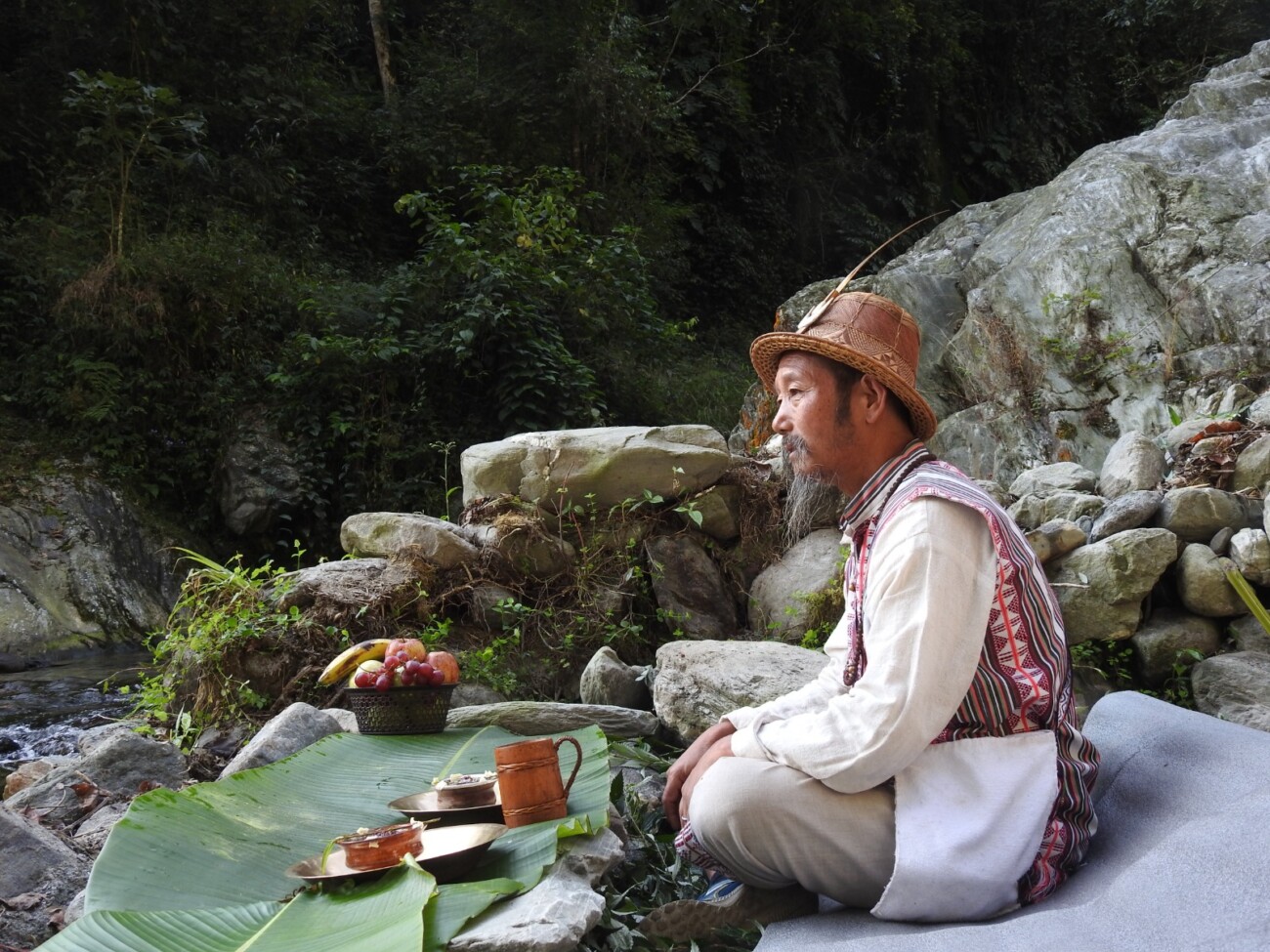
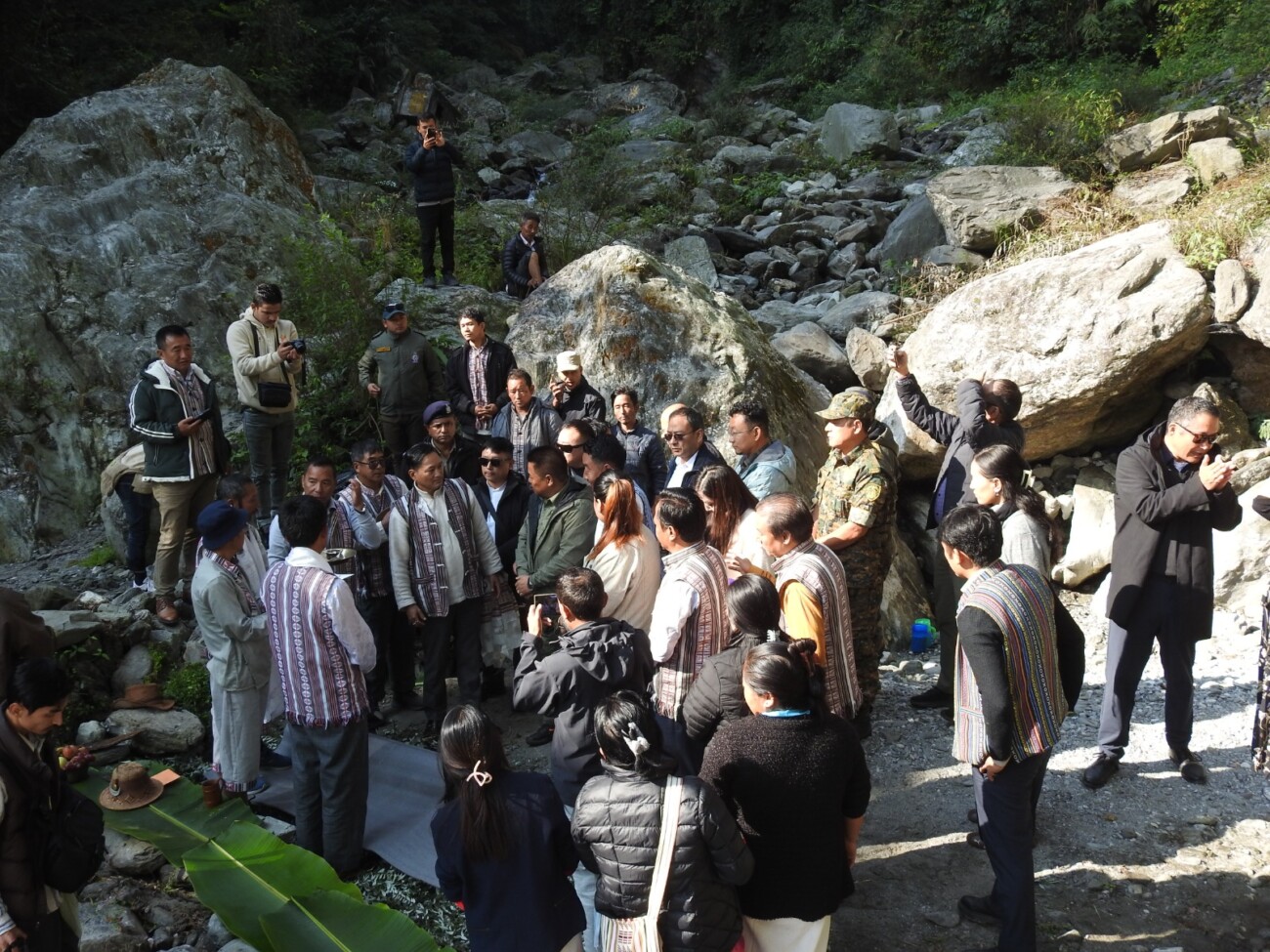
For many elders, the river forms part of a larger cosmological system in which mountains, forests, and rivers are interconnected through spiritual relationships. Disturbing the natural flow of the river through hydropower development is therefore perceived not only as an environmental change but also as a disruption of cultural and spiritual balance.
Across both areas and generations, the river was consistently described as more than a physical resource. Participants frequently referred to the Teesta and Rongyong rivers as sacred landscapes embedded in cultural traditions and everyday life. The stories of Rongnyu (now known as Teesta) and Rangeet, also known as the story of Parilbu and Tutfo , a famous Lepcha folk story, were stories I heard from many older people I conversed with. Namgyal Lepcha, a 63-year-old resident of Dzongu says, “When we were children, these stories were part of our textbooks. Now I often wonder whether today’s children still know these stories or feel connected to them”. Ritual practices related to healing, death ceremonies, and oath-taking often take place in relation to the river, reinforcing its role as a moral and spiritual anchor within the community. For many elders, the river forms part of a larger cosmological system in which mountains, forests, and rivers are interconnected through spiritual relationships. Disturbing the natural flow of the river through hydropower development is therefore perceived not only as an environmental change but also as a disruption of cultural and spiritual balance. Chewang Lepcha, an older respondent, explained, "We Lepcha people worship the environment, our land, and the river. We pray for our rivers, mountains… when they dig big tunnels for the dam, there is a negative impact on that because we don’t know whether they are only impacting the environment but also harming our sacred deities that are present in our land and river". Therefore, they view large dam projects as harmful not only to nature but also to the sacred relationships embedded within the landscape.
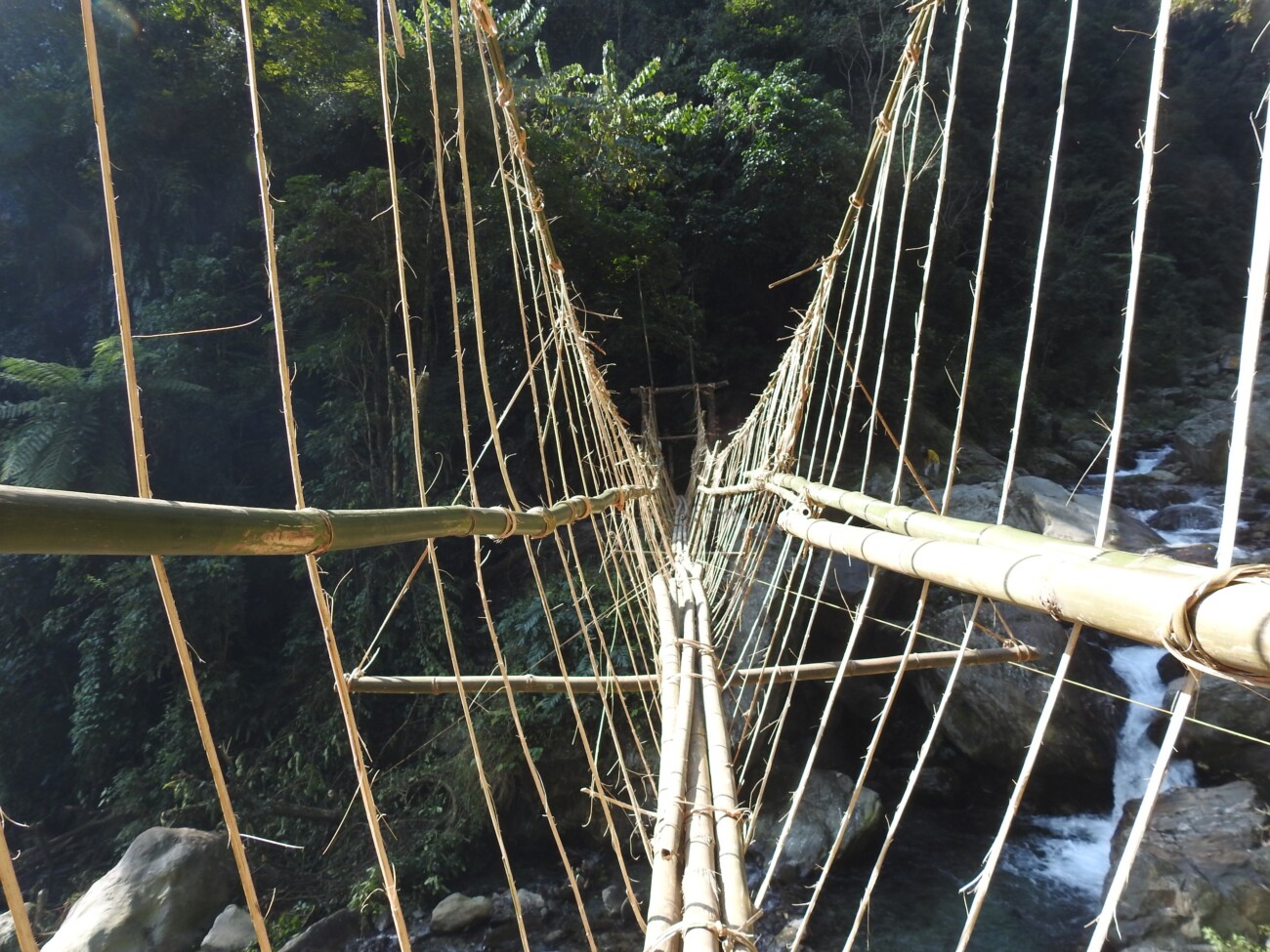
Younger respondents often framed their concerns through discussions of ecological sustainability, tourism-based livelihoods, and environmental protection...However, these generational differences do not indicate a weakening of cultural attachment. Instead, it suggests that cultural identity is being reinterpreted by younger generations through contemporary concerns about environmental change and future livelihoods.
While elders articulated their connection to the river primarily through ritual practices and oral histories, the youth participants expressed their attachment in different ways. Younger respondents often framed their concerns through discussions of ecological sustainability, tourism-based livelihoods, and environmental protection. A young mind from Upper Passingdang Dzongu recalled her childhood memory, “The river holds many picnic stories for us. We often went to the riverbeds to collect wood, and that is also where we found an insect called Nokbu”. However, these generational differences do not indicate a weakening of cultural attachment. Instead, it suggests that cultural identity is being reinterpreted by younger generations through contemporary concerns about environmental change and future livelihoods. Youth participants frequently emphasized that protecting the river is essential not only for cultural identity but also for sustaining economic activities such as tourism and community-based enterprises. This indicates that rather than experiencing cultural erosion, the relationship with the river is being expressed through new forms of environmental awareness and practical engagement.
Development as a Contested Promise
Another major theme that emerged from the interviews was skepticism toward development narratives associated with hydropower projects. Both elders and youth expressed concerns regarding the benefits promised by hydropower companies and government institutions. Participants frequently mentioned employment opportunities as one of the main justifications used to promote dam construction. A youth from Chungthang shared, "The dam promised development, but the work in tunnels was dangerous and temporary".
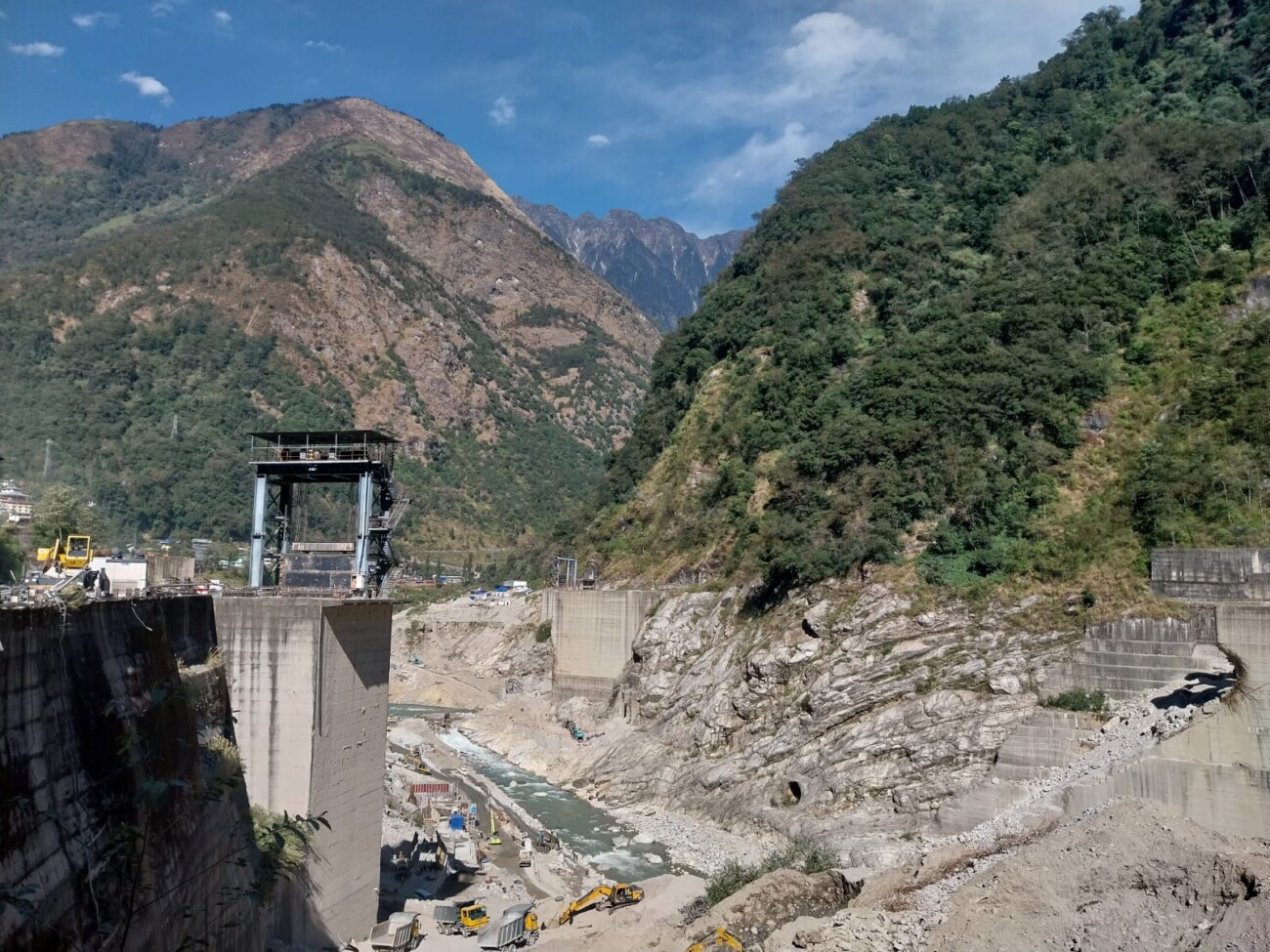
This perception reflects broader concerns about uneven development, where the economic benefits of electricity generation are distributed beyond the region while environmental and social risks remain concentrated locally.
However, other respondents also described these jobs as temporary and often dangerous, particularly tunnel work carried out during construction phases. Several participants explained that once the construction phase ended, long-term employment opportunities were limited. This perception reflects broader concerns about uneven development, where the economic benefits of electricity generation are distributed beyond the region while environmental and social risks remain concentrated locally.
Disaster as Lived Evidence of Risks
The October 2023 glacial lake outburst flood played an important role in shaping perceptions of hydropower projects. For many participants, the disaster transformed environmental risk from an abstract possibility into a lived reality.
The October 2023 glacial lake outburst flood played an important role in shaping perceptions of hydropower projects. For many participants, the disaster transformed environmental risk from an abstract possibility into a lived reality. Elders frequently interpreted the flood through spiritual narratives, describing it as a reminder of the consequences of disturbing natural balance. In contrast, younger participants often framed the disaster in terms of environmental miscalculation and infrastructural vulnerability. Despite these differences in interpretation, the disaster created a shared sense of concern regarding the long-term sustainability of large-scale hydropower infrastructure in the region.
Generational Knowledge and Ecological Memory
A key difference between elders and youth lies in the type of knowledge they value. Elders often draw on oral histories and spiritual beliefs when discussing the river. Many described how the landscape used to look before hydropower development and how certain areas were considered sacred. This form of ecological memory provides a historical perspective on environmental change. Elders frequently compared present conditions with past experiences, describing shifts in water flow, changes in agricultural patterns, and the disappearance of certain fish species.
A key difference between elders and youth lies in the type of knowledge they value. Elders often draw on oral histories and spiritual beliefs when discussing the river...Youth participants, by contrast, often framed environmental concerns through discussions of climate change, sustainability, and tourism.
Youth participants, by contrast, often framed environmental concerns through discussions of climate change, sustainability, and tourism. Their language reflected exposure to environmental education and media narratives. However, this did not mean that the youth lacked emotional attachment to the river. Rather, their relationship with the landscape was expressed through different cultural forms.
Cultural Revival and Resistance
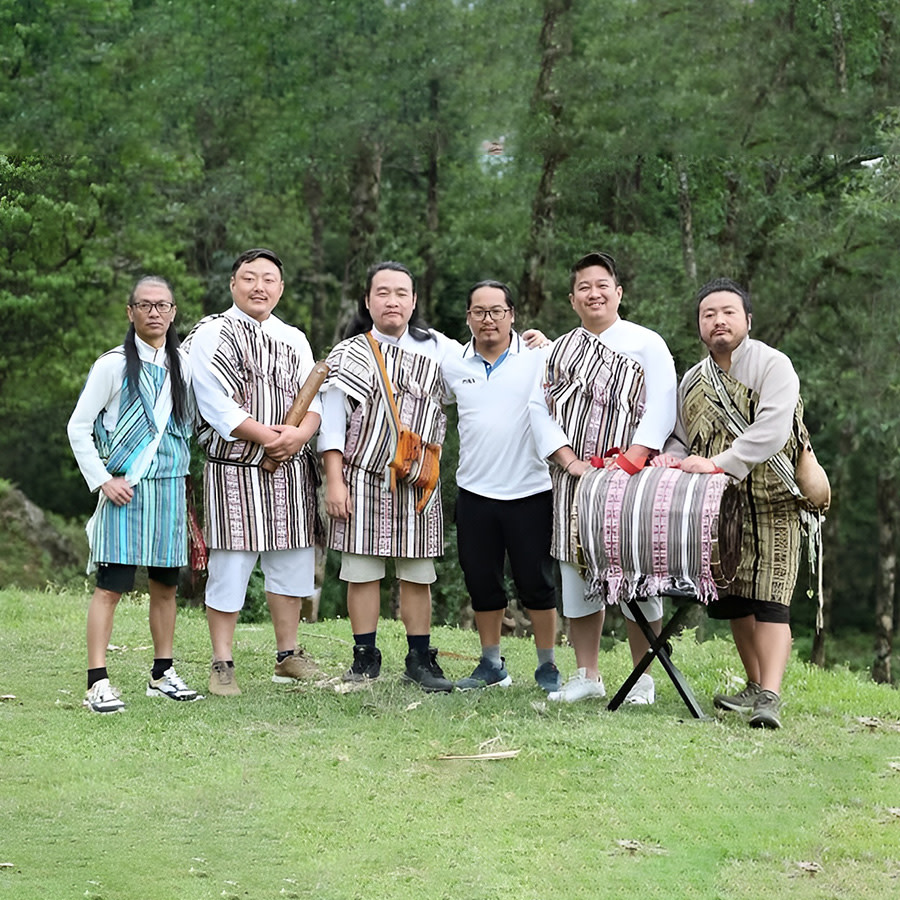
An unexpected finding was the role of cultural revival among youth participants...This presented a unique way of showing how resistance movements are evolving across generations. While earlier protests relied heavily on hunger strikes and public demonstrations, younger activists are experimenting with new forms of communication that combine culture, art, and environmental activism.
An unexpected finding was the role of cultural revival among youth participants. Several young people described efforts to promote Lepcha culture through modern artistic forms such as music, film, and fashion. Traditional clothing and musical instruments were being incorporated into contemporary performances. These cultural expressions often carried environmental messages. Songs and stories about the Teesta River were used to raise awareness about hydropower issues and to communicate the importance of protecting the landscape.
This presented a unique way of showing how resistance movements are evolving across generations. While earlier protests relied heavily on hunger strikes and public demonstrations, younger activists are experimenting with new forms of communication that combine culture, art, and environmental activism.
Differences between the Two Sites- Dzongu and Chungthang
The two field sites, Dzongu and Chungthang present distinct contexts that shape how hydropower development is perceived and experienced. While both locations are situated within the Teesta river basin, their relationship with hydropower projects differs significantly, influencing the nature of community responses.
Dzongu
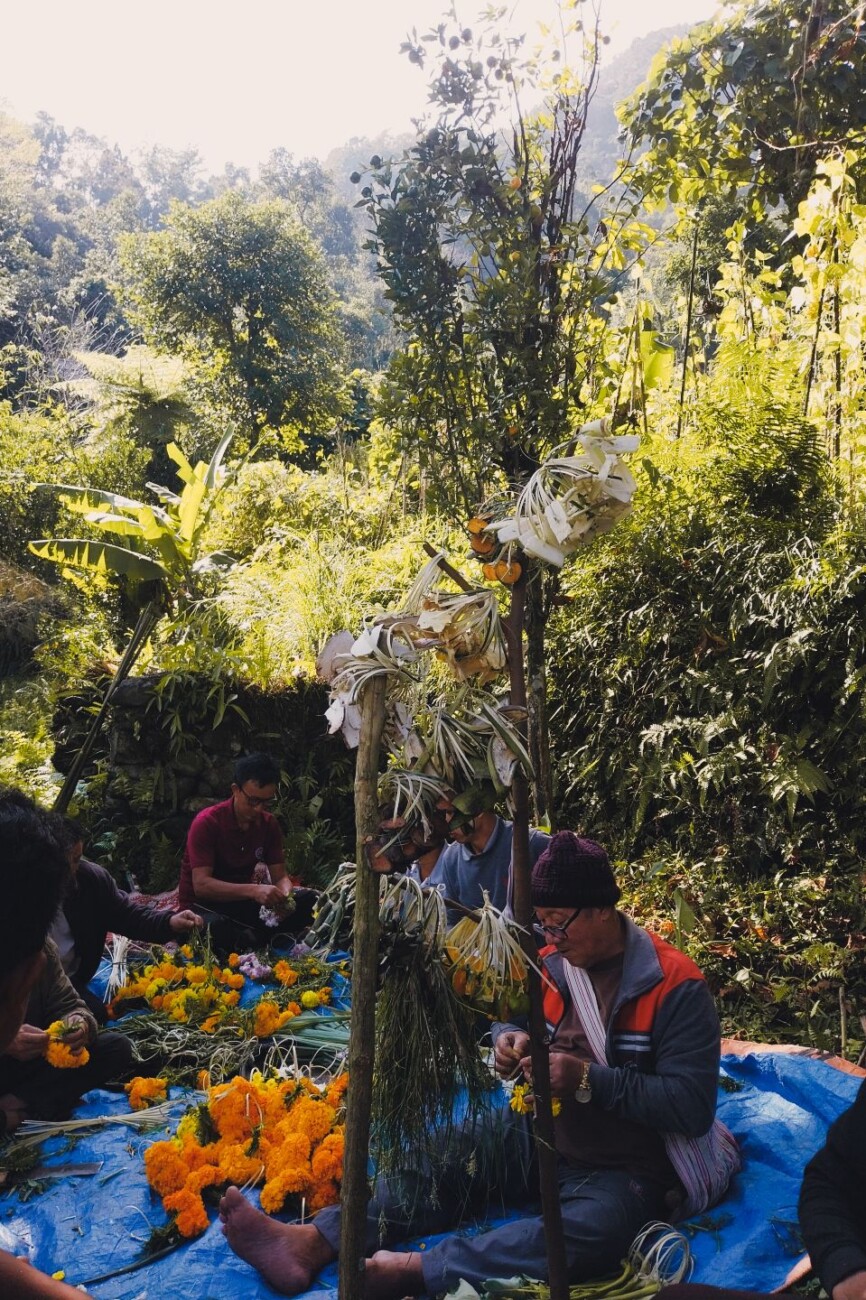
Photo: Shakshi Rai
Dzongu, a protected Lepcha reserve, is characterized by a strong and long-standing opposition to hydropower projects. Resistance in this region is deeply rooted in the cultural and spiritual significance of the landscape.... The presence of movements such as the Affected Citizens of Teesta (ACT) has played a crucial role in shaping collective resistance. Over time, this resistance has become part of the region’s social and political identity.
Dzongu, a protected Lepcha reserve, is characterized by a strong and long-standing opposition to hydropower projects. Resistance in this region is deeply rooted in the cultural and spiritual significance of the landscape. For many residents, the river is not only an ecological resource but also a sacred entity connected to ancestral identity and ritual life. As a result, opposition to hydropower in Dzongu is often framed as a form of cultural and environmental protection.
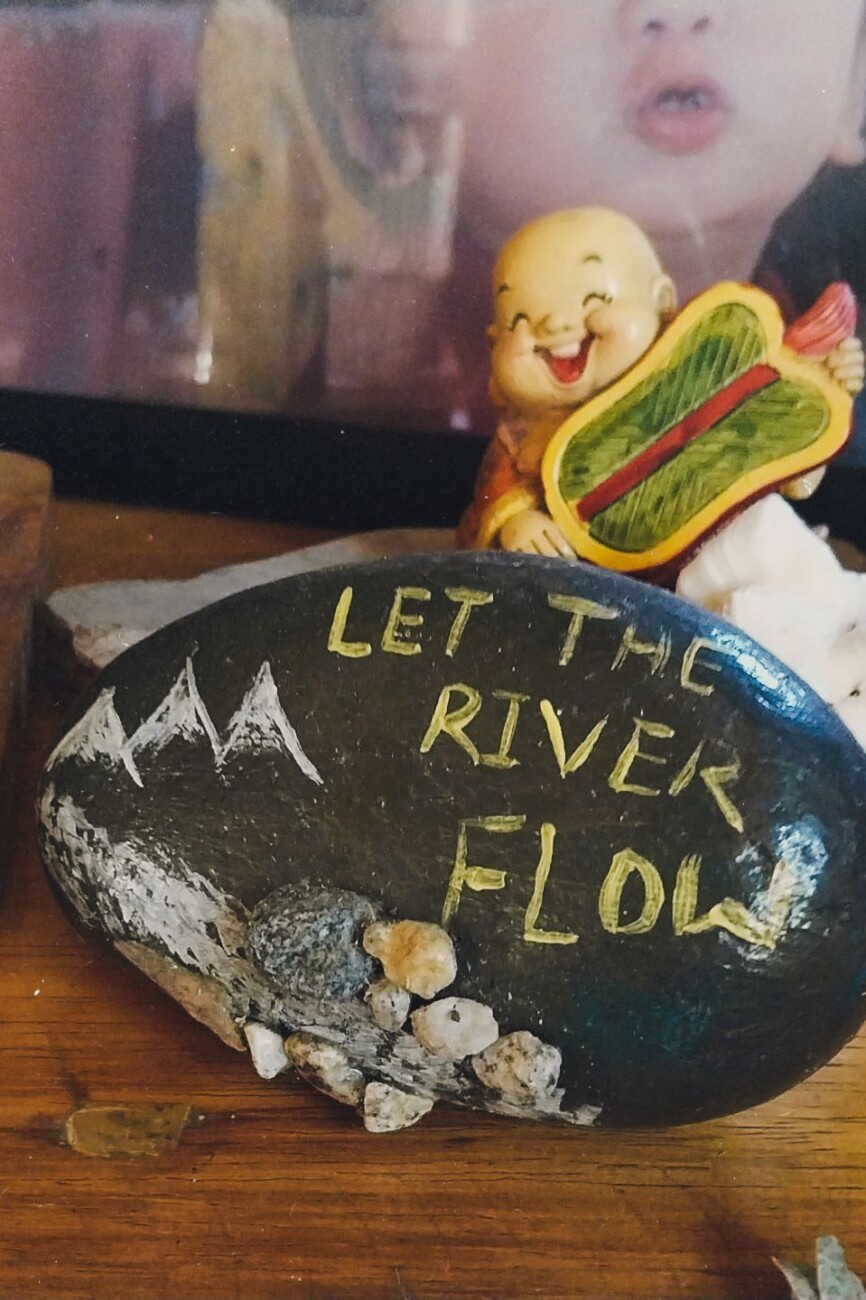
The presence of movements such as the Affected Citizens of Teesta (ACT) has played a crucial role in shaping collective resistance. Over time, this resistance has become part of the region’s social and political identity. The opposition in Dzongu can be understood as preventive, as it aims to resist hydropower development before significant environmental or cultural disruption occurs. The relative absence of large-scale hydropower infrastructure in the region allows residents to imagine and advocate for alternative futures centred on ecological preservation and cultural continuity.
Chungthang
In contrast, Chungthang represents a site where hydropower development is already embedded within the landscape. The presence of dam infrastructure and the impact of the 2023 GLOF have shaped local experiences in more immediate ways. Unlike Dzongu, where resistance is collective and clearly articulated, perspectives in Chungthang are more fragmented and complex.
In contrast, Chungthang represents a site where hydropower development is already embedded within the landscape. The presence of dam infrastructure and the impact of the 2023 GLOF have shaped local experiences in more immediate ways. Unlike Dzongu, where resistance is collective and clearly articulated, perspectives in Chungthang are more fragmented and complex.
Many residents in Chungthang have direct experience with both the benefits and risks associated with hydropower. While some acknowledge the economic opportunities and infrastructure development linked to these projects, others express concerns about environmental degradation, safety, and further intensified these concerns, making environmental risks more visible and tangible. At the same time, economic dependency on hydropower related activities and the presence of infrastructure complicate unified resistance. This results in a more ambivalent stance, where individuals may simultaneously recognize the risks of hydropower while also navigating its economic realities.
Comparative Insight
The contrast between Dzongu and Chungthang shows how local context shapes perception. While Dzongu reflects a strong, culturally rooted resistance, Chungthang illustrates a more complex engagement shaped by lived experience and infrastructural presence. These differences reinforce the importance of not treating communities as homogeneous entities, as perspectives vary not only across generations but also across locations.
The contrast between Dzongu and Chungthang shows how local context shapes perception. While Dzongu reflects a strong, culturally rooted resistance, Chungthang illustrates a more complex engagement shaped by lived experience and infrastructural presence. These differences reinforce the importance of not treating communities as homogeneous entities, as perspectives vary not only across generations but also across locations.
Hydropower expansion in the Eastern Himalaya intensifies landslides, seismic instability, and flooding. Many interviewees described how blasting for tunnels and dam construction had altered landscapes, increased landslide risks, and disturbed natural water flows, reinforcing concerns highlighted in the literature regarding the incompatibility of large-scale infrastructure with fragile mountain ecosystems. They described hydropower projects as decisions imposed from outside the community rather than initiatives emerging from local needs. Several interviewees noted that development decisions were made by government institutions and private companies with limited consultation with the communities living closest to the river.
Hydropower expansion in the Eastern Himalaya intensifies landslides, seismic instability, and flooding. Many interviewees described how blasting for tunnels and dam construction had altered landscapes, increased landslide risks, and disturbed natural water flows, reinforcing concerns highlighted in the literature regarding the incompatibility of large-scale infrastructure with fragile mountain ecosystems...Several interviewees noted that development decisions were made by government institutions and private companies with limited consultation with the communities living closest to the river...
Participants also frequently expressed frustration about the lack of local benefits from hydropower projects. In particular, several respondents pointed out the paradox that electricity is generated in their region while nearby villages still face irregular power supply. Others emphasized that employment opportunities created by dam construction were temporary and often dangerous, particularly tunnel work. These narratives reinforce Gergan (2020) observation that local communities often bear environmental costs without receiving corresponding long-term economic benefits.
These narratives reinforce Gergan (2020) observation that local communities often bear environmental costs without receiving corresponding long-term economic benefits.
The legacy of ACT remains highly visible within community narratives. Many participants referred to the movement as a collective struggle that had shaped local attitudes toward hydropower over several decades. Interestingly, while earlier protests were largely organized by elders, younger generations now appear to be carrying forward the movement in new ways. Youth participants described engaging with the issue through cultural expression, such as music, storytelling, and art related to the Teesta River. It also shows that while the forms of resistance may be changing across generations, the underlying commitment to protecting the river remains strong. Many elders described the river as a living presence involved in important life-cycle rituals. Participants explained that the Teesta and Mount Kanchenjunga are invoked as witnesses during marriages and other social ceremonies, reflecting a belief that natural landscapes hold moral authority.
Some elders also described funeral rituals in which ashes and bones are returned to the river, reinforcing the idea that the river forms part of the spiritual journey of the soul. These narratives demonstrate how hydropower development is experienced not only as environmental transformation but also as a disruption of cultural and spiritual order. Elders frequently framed their opposition to hydropower in terms of sacred geography and ancestral responsibility, emphasizing the spiritual consequences of disturbing the river. Youth participants, on the other hand, often discussed hydropower in relation to environmental sustainability and future livelihoods. Several young respondents emphasized the importance of protecting the river and not disturbing its natural flow, and also on initiating tourism-based livelihoods such as rafting, trekking, and homestays. These perspectives suggest that generational differences do not necessarily represent disagreement but rather reflect different ways of articulating environmental concerns.
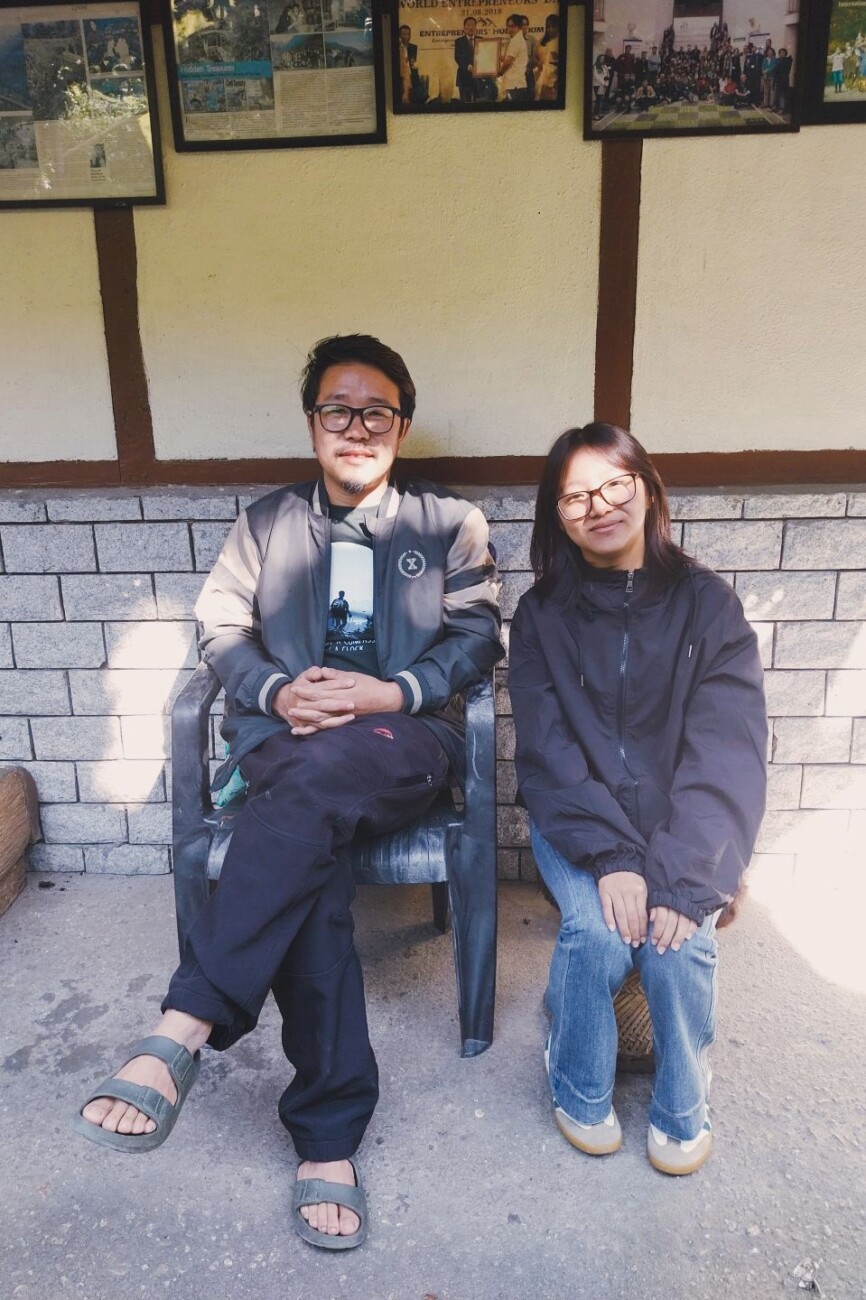
The legacy of ACT remains highly visible within community narratives. Many participants referred to the movement as a collective struggle that had shaped local attitudes toward hydropower over several decades.
While elders and youth share many concerns about hydropower, they frame these concerns differently. Elders emphasize the sacredness of the landscape and the importance of preserving cultural traditions. Their narratives often reflect a sense of responsibility toward ancestral land and spiritual balance. Youth perspectives, while still rooted in cultural identity, focus more strongly on future livelihoods and environmental sustainability. For example, several participants expressed interest in developing tourism activities that rely on a healthy river ecosystem. These differences should not be interpreted as a generational divide, instead, they represent complementary perspectives that together strengthen community resistance. Elders provide historical and spiritual legitimacy to environmental concerns, while youth contribute new forms of activism and communication. This intergenerational dynamic may also explain the resilience of anti-dam movements in regions such as Dzongu. Rather than fading over time, resistance continues to adapt as younger generations reinterpret cultural values in contemporary contexts.
Elders provide historical and spiritual legitimacy to environmental concerns, while youth contribute new forms of activism and communication. This intergenerational dynamic may also explain the resilience of anti-dam movements in regions such as Dzongu. Rather than fading over time, resistance continues to adapt as younger generations reinterpret cultural values in contemporary contexts.
Conclusion
Hydropower conflicts in North Sikkim cannot be understood solely through economic or technical frameworks. They are deeply embedded in cultural identity, environmental memory, and evolving forms of activism. By examining intergenerational perspectives, the study reveals that community opposition to hydropower is both shared and diverse.
Hydropower conflicts in North Sikkim cannot be understood solely through economic or technical frameworks. They are deeply embedded in cultural identity, environmental memory, and evolving forms of activism. By examining intergenerational perspectives, the study reveals that community opposition to hydropower is both shared and diverse. Elders and youth articulate their concerns through different narratives, yet both groups remain deeply connected to the river and the landscape. The findings also highlight the importance of incorporating local knowledge and cultural values into development planning. Policies that treat rivers purely as economic resources risk overlooking the complex social relationships that communities maintain with their environment. As climate change and infrastructure expansion continue to reshape Himalayan landscapes, understanding these relationships will become increasingly important. Development strategies that fail to engage with local perspectives may deepen existing conflicts and undermine long-term sustainability. Recognizing the diversity of voices within communities is therefore essential for creating more inclusive and just approaches to development in mountain regions.
The findings also highlight the importance of incorporating local knowledge and cultural values into development planning...Recognizing the diversity of voices within communities is therefore essential for creating more inclusive and just approaches to development in mountain regions.
Author’s Note: This article is based on my Master’s field research (Azim Premji University) conducted in Dzongu and Chungthang, North Sikkim, focusing on intergenerational perspectives on hydropower projects and the Teesta River.
REFERENCES
Baran, M., & Sypniewska, B. (2024). Determinants of pro-environmental innovative behaviour: A comparison of three generations. Journal of Innovation & Knowledge, 9(1), 100613.
Cantillo, J., Astorino, L., & Tsana, A. (2025). Determinants of pro-environmental attitudes and behaviour among European Union residents: Differences between older and younger generations. Quality & Quantity, 59(6), 2623–2659.
Dukpa, R. D. (2024). Hydropower politics in Northeast India: Dam development and contestation. Water, 16(3), 561.
Dutta, S. (2008). Lepcha v. hydropower. Himal Southasian.
Essiz, O. (2022). Intergenerational influence on sustainable consumer attitudes and behaviors: Roles of family communication and peer influence in environmental consumer socialization. Psychology & Marketing, 39(8), 1569–1583.
Gergan, M. D. (2020). Disastrous hydropower, uneven regional development: Contesting hydropower projects in Sikkim, India. Energy Policy, 137, 111144.
Joshi, D. (2019). Watered down? Civil society organizations and hydropower development in the Darjeeling and Sikkim regions of India. Energy Policy, 126, 340–348.
Mallick, B., & Hunter, L. (2024). Environmental migration and non-migration: Learning through an intergenerational lens. Migration Studies.
Negi, V. S., Maikhuri, R. K., Rawat, L. S., & Bahuguna, A. (2017). Climate change impact in the Western Himalaya: People’s perception and adaptive strategies. Journal of Mountain Science, 14(2), 403–416.
Rai, N., & Khawas, V. (2021). Climate change and hydropower development in the Eastern Himalaya: Emerging conflicts in the Upper Teesta catchment of Sikkim, India. Environmental Development, 39, 100642.
Chettri, M. & Save the Hills Kalimpong. (2023). A tragedy foretold: The price for development. The Sikkim Project.
Sherpa, D.Y. (2022). Environmental injustice: Hydropower dams in Sikkim. The Sikkim Project.
Wang, X., & Wu, L. (2024). Intergenerational differences in environmental concerns of plastic waste business owners. Humanities and Social Sciences Communications, 11(1), 145.
Rai, P. (2021).The Story of Teesta and Rangeet. The Sikkim Project.
Shakshi Rai hails from Darjeeling’s Nagri Farm tea estate. She is working with the Council for Green Revolution in Hyderabad. Having completed her Master's in Development from Bangalore's Azim Premji University, she is deeply interested in climate justice, sustainability, and environmental research. During her internship with the Central
Himalayan Rural Action Group (CHIRAG), she worked with the springshed team, gaining
valuable exposure to grassroots environmental work and rural realities in the Himalayan region.
She also enjoys painting and singing.



This is such a well written article. I like the way it moves beyond the generic "young vs old gen" and actually presents us a very nuanced view.
This is such a beautifully researched and written piece. I really appreciated how it goes beyond a simple “pro vs anti development” debate and instead brings out the layered ways in which both elders and youth relate to the Teesta—as sacred landscape, as livelihood, and as a living memory. The contrasts between Dzongu and Chungthang, and the way you show resistance evolving across generations, were especially powerful. It’s rare to see development, culture, and environmental risk woven together with this much care and nuance. Thank you for centering local voices and reminding us that rivers are not just resources, but relationships.
An excellent piece of writing—balanced, informative, and deeply relevant. It highlights the complex relationship between development and environmental sustainability in a very compelling way
Adding:::: The green earth sends her incense up from every folded leaf and dewy cup. Her mountains are shrines, her rivers are hymns, her forests are sanctuaries. “Treat the earth well: it was not given to you by your parents, it was loaned to you by your children. We do not inherit the Earth from our Ancestors, we borrow it from our Children.” The Seven Sisters and the Himalayan foothills stand today as a test of whether we will honor this truth.
Fondness for the ground comes back to man after he has run the round of pleasure and business, drifted about the world, and taken the wind of all its moods. At last, he returns to the soil, to the wilderness, to the primal union with beauty. Let us not wait until it is too late. The Himalayas, the Northeast, the rivers, the soil—all plead with us in silence. They are not asking for charity. They are demanding justice.
If we can learn to see the earth not as a resource to be consumed but as a living companion to be loved, the foothills of the Himalayas may yet breathe free, rivers may flow wild, forests may sing again, and flowers will once more blaze like suns and fire and rainbows.
I would like to appreciate that how the article moves beyond a simple “elders vs youth” framing and instead shows a deeper continuity between them. Both are essentially protecting the same river, just in different ways of expressing it. That subtlety is what makes the piece stand out.
I appreciate the basic facts presentated in the article. I have been watching the development of these projects since early 1970 , and both eco.system and economic success have hardly helped the local community. Sad !
This article made me realize that development is not just about building bigger projects, but also about understanding what people and nature might lose in the process. The Teesta is more than just a river—it holds culture, memories, and livelihoods for the communities around it. Progress is important, but it should never come at the cost of ignoring the voices of the people who call this place home. Thank you for presenting both perspectives so thoughtfully.
Perfectly noted the differences in the mindset of the younger and older generations in and around Dzongu. Also observed and documented the contrasting landscapes and cultural atmosphere between Dzongu and Chungthang. Truly an impressive article.
Thank you so much
A thoughtful and well-researched piece. What I appreciate most is how it refuses to flatten “the community” into a single voice and instead listens carefully to the differences between elders and youth. The framing of elders’ spiritual relationship with the river alongside the youth’s focus on sustainability and tourism-based livelihoods is illuminating, and the insight that these aren’t a generational divide but complementary forms of resistance feels both honest and hopeful. The sections on Dzongu and Chungthang make a strong case for why local knowledge and cultural values must be part of development planning, not an afterthought. The 2023 GLOF clearly underscores how urgent these questions are. Thank you for centring the voices of the people who live closest to the Teesta.
Really enjoyed reading this. What stood out to me was how the article captures the different ways elders and youth relate to the Teesta River. It shows not only the concerns about hydropower aren't just environmental or economic, but shows that they're also deeply tied to culture, memory, and identity.
Thank you for reading and for this thoughtful comment.