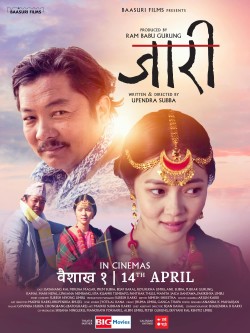
The box office success of the film Jaari, has seen a tremendous amount of cultural awareness and a growing interest in Nepali language films. Set in a traditionally rural family structure and telling the story of everyday social and cultural aspects of life, the film created an interest among a wide range of audiences. In doing so, it brought us face-to-face with the complexities of Limboo traditional culture, its socio-economic power structures, the realities of household dynamics and a woman’s place within them.
While the film itself has also gained critical acclaim due to its ability to showcase the explicit patriarchy in society yet, more needs to be unearthed. This article, while it reviews a movie, eventually extracts themes and depictions from the film and lays it out discussing implicit realities, often showcased on reel that have real-life implications. It discusses the larger meanings and intricate details that work in the microcosm of society where a woman’s agency is constantly tested and blamed for her misfortunes. Although this narrative is situated within a specific community, it reflects the tragic universal nature of the experiences and everyday encounters of women. It questions the patriarchal structures in society that continue to govern women’s lives through institutions of marriage and family.
Jaari, the film
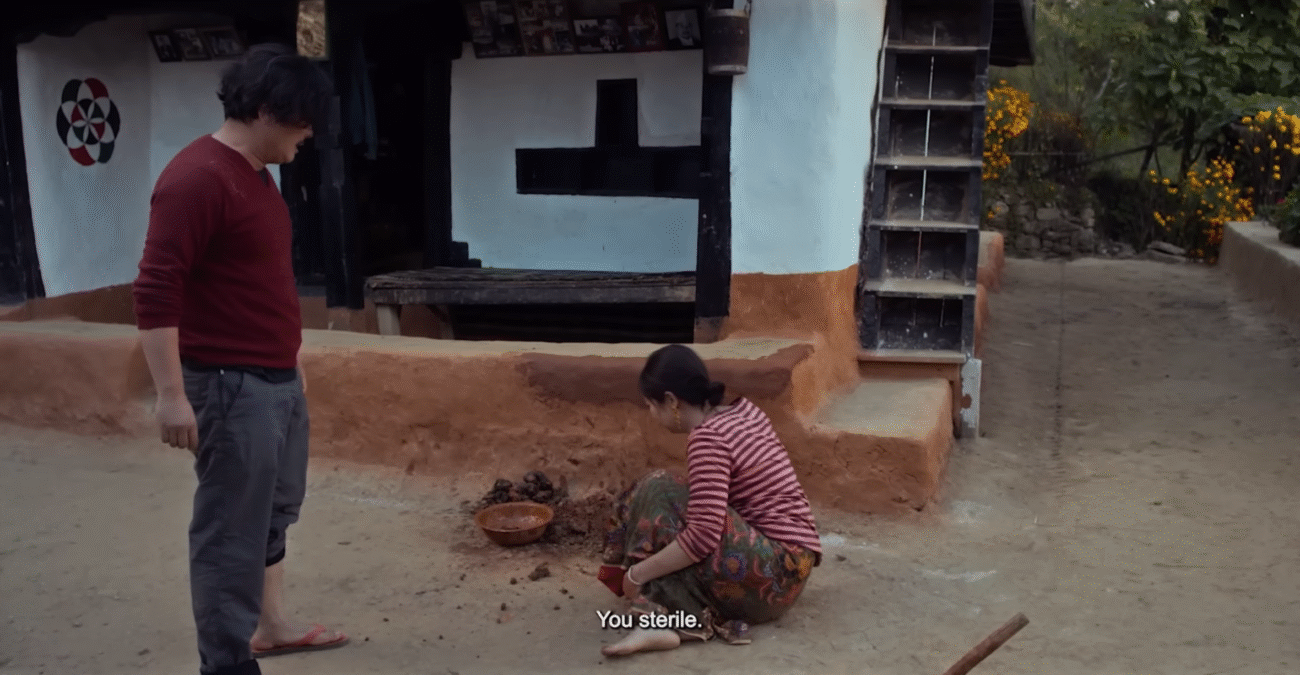
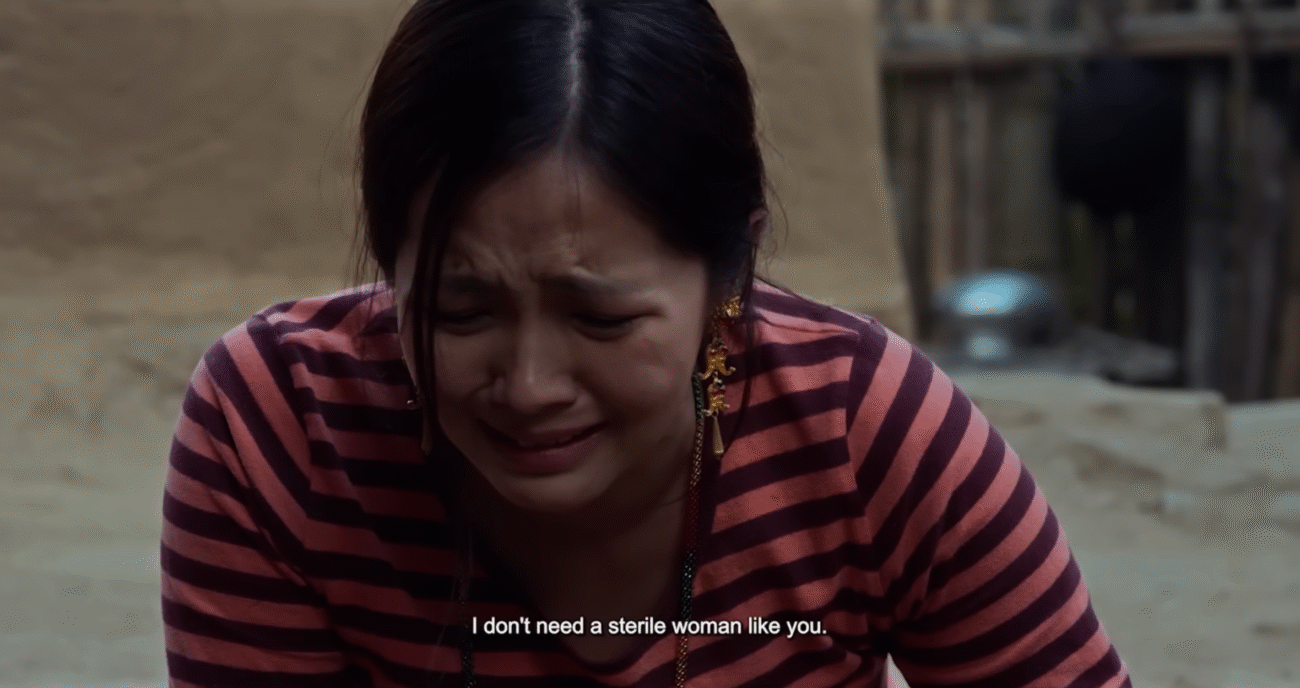
The opening scene in the movie Jaari, is an altercation between a husband, Namsang and his wife, Hangma. The fight escalates to an aggressive one, where Namsang slaps, pushes and almost kicks Hangma. Namsang's anger over Hangma not being able to bear any children, five years into their marriage leaves Hangma crying on the floor of their courtyard and leaving just after. The outright depiction of power relations between the husband and wife in a household, propels the film into some pertinent socio-economic realities. In addition to the physical assault, Namsang’s verbal attacks on Hangma, range from her family’s lower economic status and his arrogance that he can easily replace her with a new wife. However, in the absence of the wife, all household labour falls unto the mother of the family. Namsang’s mother, who is sick, constantly reminds the son and the father that she is getting old and cannot do all the housework on her own, signaling Namsang to get a wife soon.
Housework in the everyday
These scenes depict a familiar tone especially in the South Asian context. Housework or household labour has unequally been assigned as the ‘responsibility’ of women, especially in developing countries of South Asia. The devaluation and unpaid nature of housework is steeped into the clutches of tradition and duty of the woman in a household. All women are usually workers, irrespective of whether they are recognised or not, especially in developing countries, for they are engaged in unpaid labour as a responsibility (Ghosh, 2013). Back at Hangma’s own home, where she returns after the big fight, she is met with her mother who states that fights are common among husbands and wives asking her to return as soon as possible. Hangma’s mother expresses what any woman would have been subjected to when she decides to leave a bad marriage. The ‘betrayal’ of the institution of marriage, has been haunting South Asian societies, where divorce is a taboo and arranged marriages are prevalent even today.
All women are usually workers, irrespective of whether they are recognised or not, especially in developing countries, for they are engaged in unpaid labour as a responsibility (Ghosh, 2013).
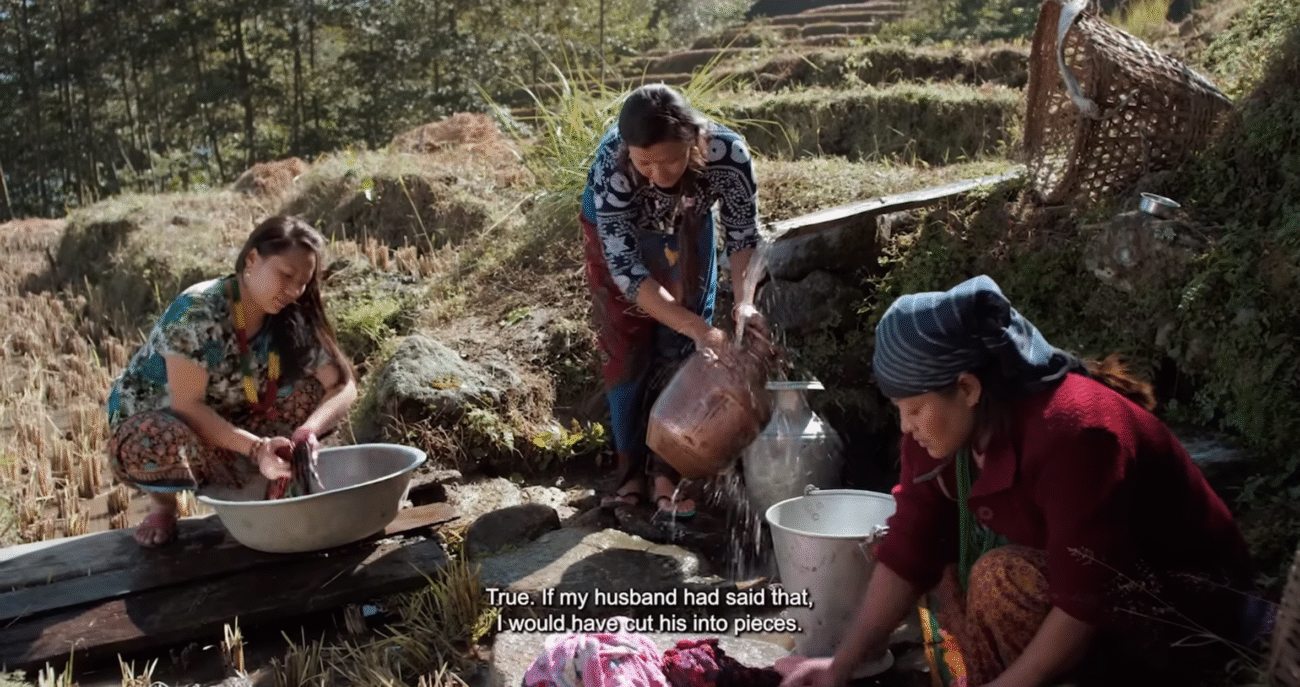
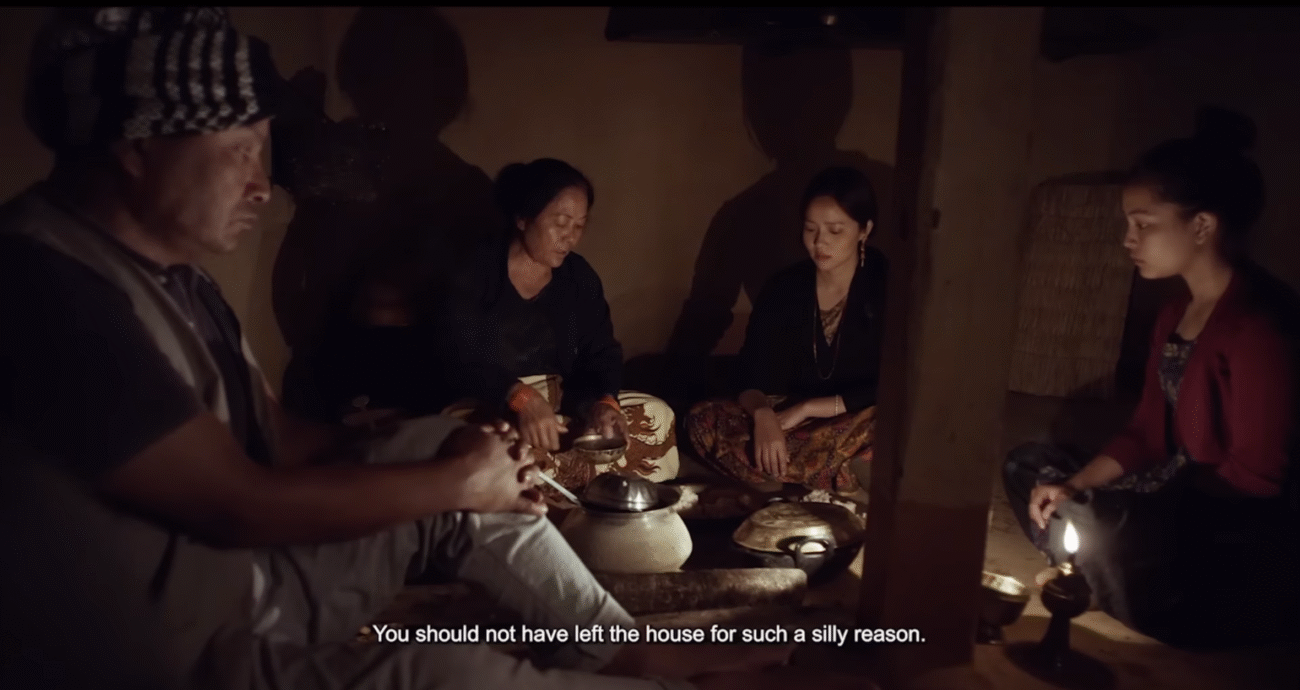
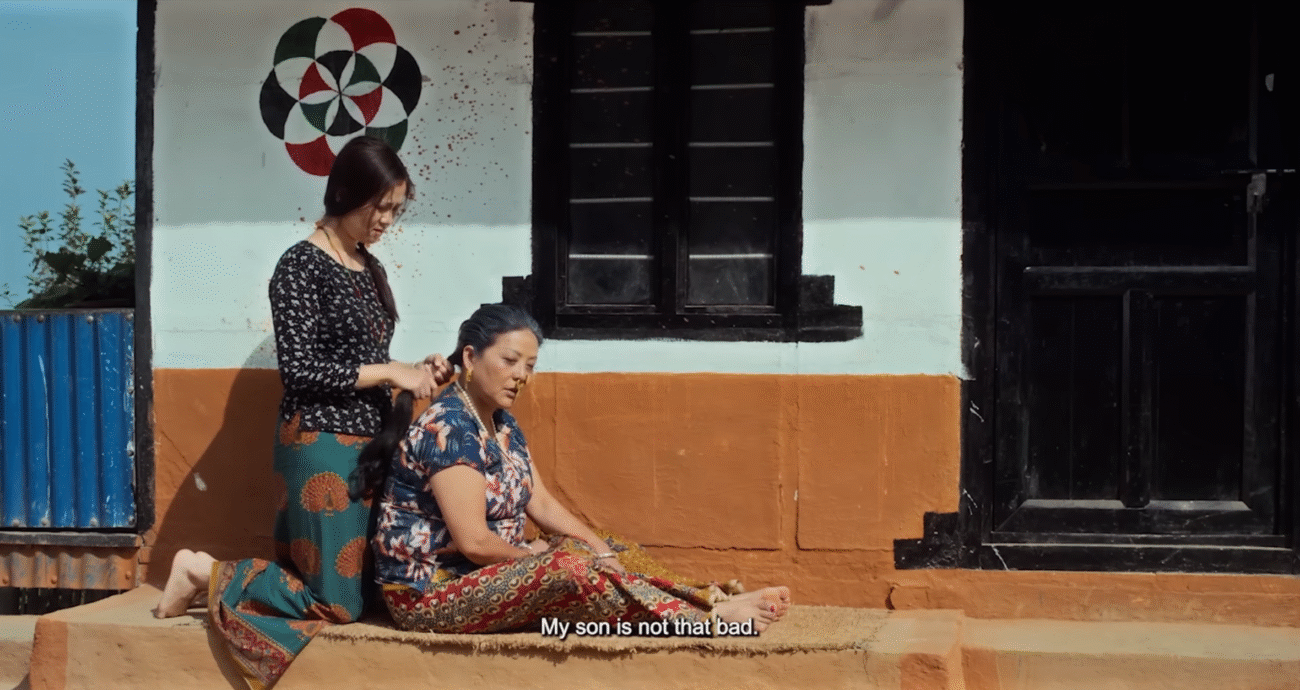
In the film, women are seen working in every frame. Even when Hangma is at her own home, she is constantly working. While at work in the rice mill one day, there is a casual conversation between three women–Hangma, an older woman and a younger one from the village. The eldest woman among them remarks how she refuses to be defeated by men in Palam and the youngest is quick to point out that it may be the reason why she never got married. The elder woman retorts with a curse. Palam, as a popular Limboo group activity, is where prospective suitors confess their interest in and to prospective partners through dialogic singing; professing their love, beliefs and even clan ancestry. It is also a competition, where if one plays against another, whoever wins could take the loser into courtship and even marriage. The film’s attempts at feminist themes are undermined by its failure to convincingly represent women who are contently single. Women in the movie never really confront social stigmas but come very close just to be annoyed with each other.
The payment in labour
In a large carnival near the village, Hangma wins a man over in Palam and elopes with the new man. The news of her elopement and engagement spreads through the village, after which Namsang’s family wants the full payment of Jaari. As is the name of the movie, Jaari is a payment that involves a certain sum which may be worth not only money, but could include livestock, meat, alcohol and anything the groom’s family would have extended at the time of marriage to the bride’s family. The husband’s family, with a large group of men, visit Hangma’s home to recover Jaari. Since Hangma’s family does not have any means to pay back, an argument between the all male members of both parties-Namsang and Hangma recede into pettiness, tallying every aspect of the marriage, from the food she consumed over the years to the fulfilment of conjugal obligations. These are discussed in the courtyard of Hangma’s home, in her absence. Finally, Hangma interjects and accepts being a maid in Namsang’s house until the Jaari is paid.
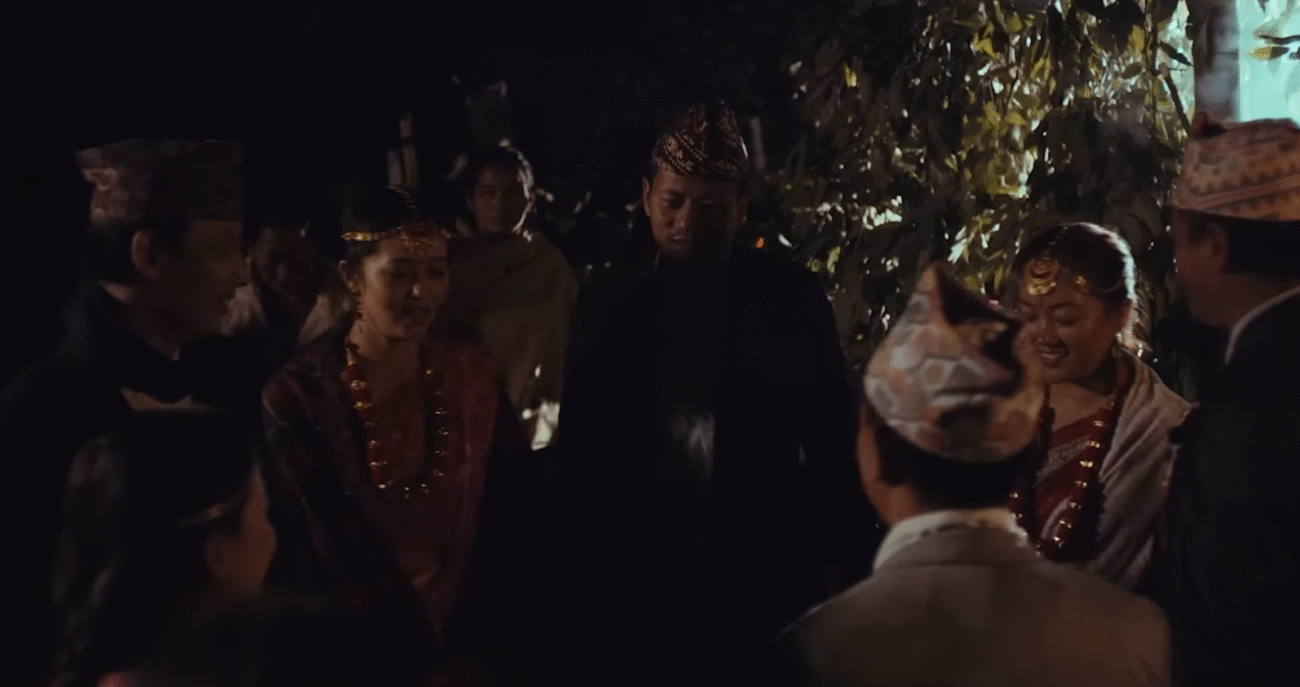
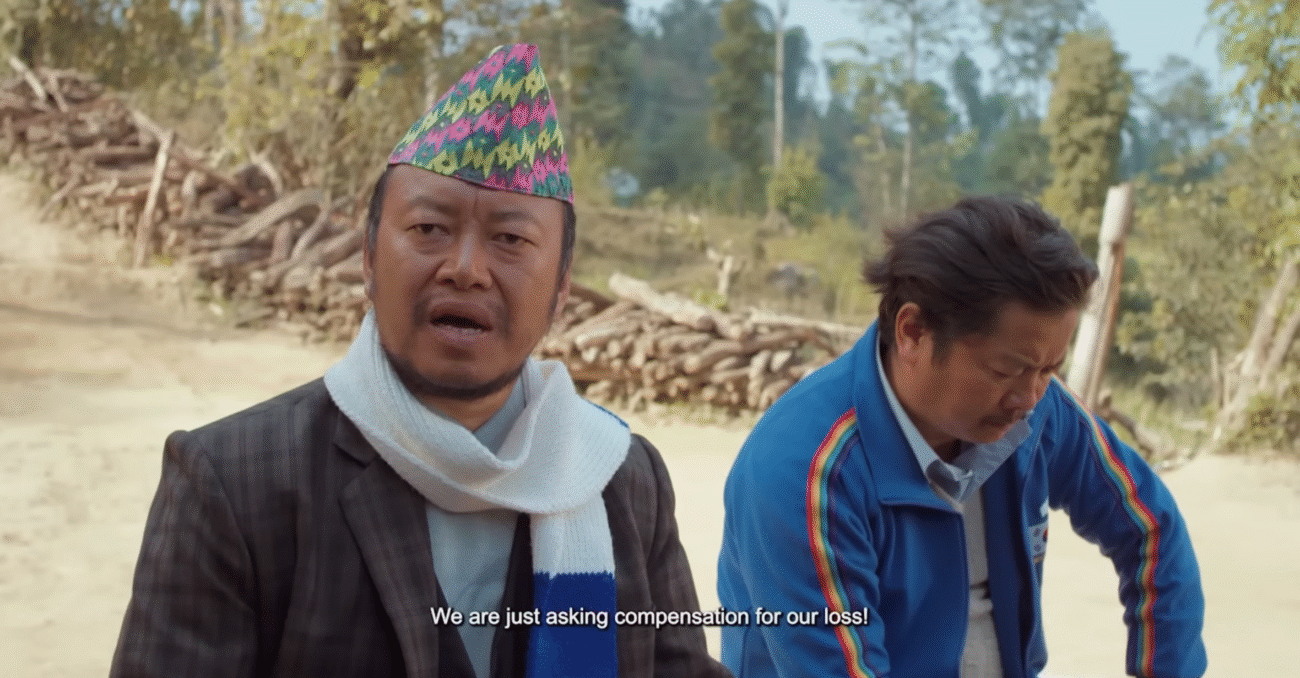
As is the name of the movie, Jaari is a payment that involves a certain sum which may be worth not only money, but could include livestock, meat, alcohol and anything the groom’s family would have extended at the time of marriage to the bride’s family.
There are two things that this scene showcases; Hangma’s agency and household labour’s value. Hanmer and Klugman (2015) associates individual agency to the institutionalised power relations of gender. They highlight that there are intrinsic ideological and material factors in constituting these structures, and the importance placed on rules, norms, and practices in kinship and the family. In the absence of structural change for women, most of the household duties remain intact with a young woman as the primary worker in a family, sanctioned by the institution of marriage. Then again, the household labour that Hangma advanced as a daughter-in-law/wife of the household was selfless and valueless. However, this time around her labour has value. Hangma’s agency when finally exercised by her, at the end of the scene returns her to where she has always been, a worker of the household, now performing the labour of payment.
Patriarchy and violence
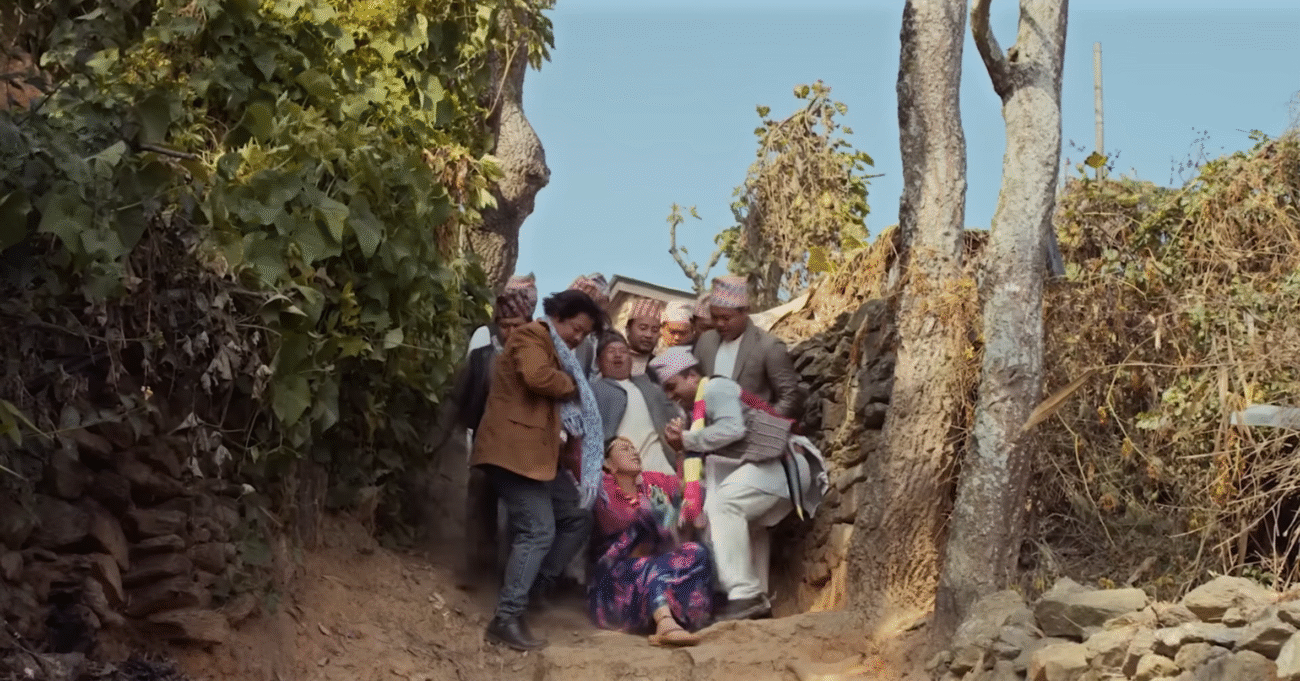
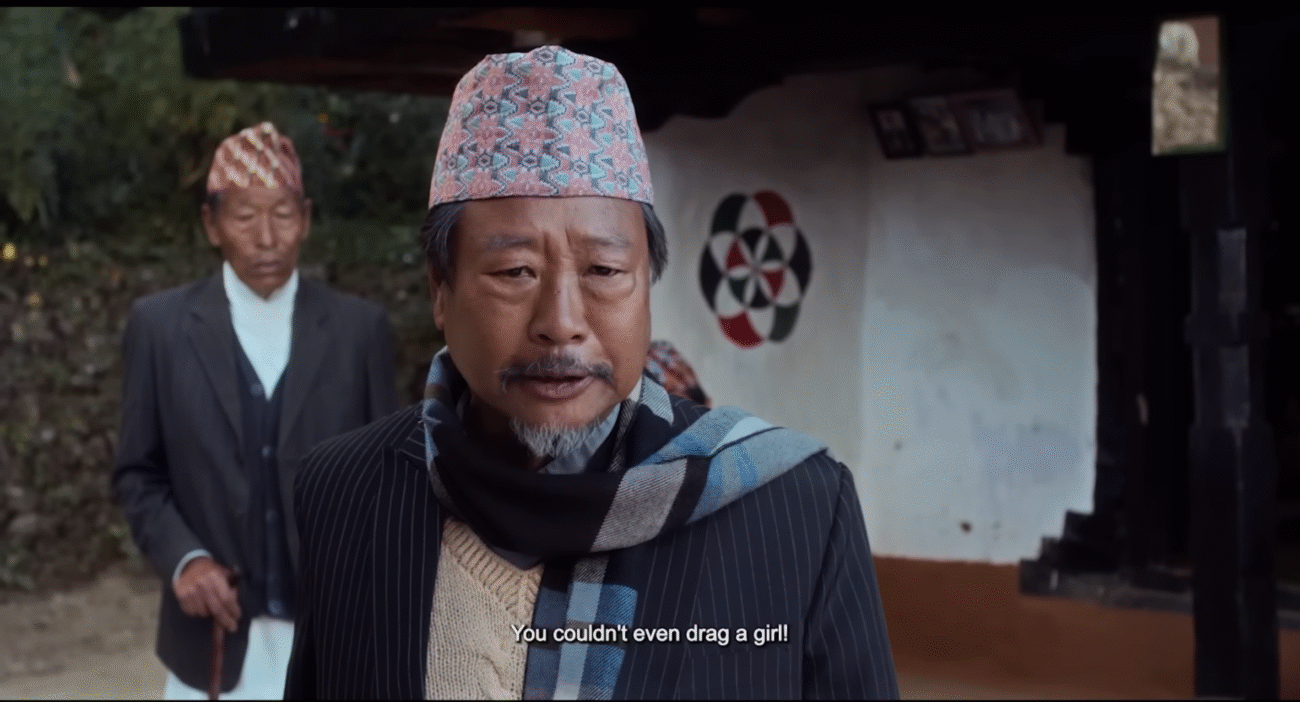
When Hangma returns to Namsang’s home, she faces anger, humiliation and mistreatment from her in-laws. One particular day, while returning from her chores, her now ex-husband Namsang nearly attacks her. Earlier that day, while at leisure, some men in the village had questioned Namsang’s manhood for letting his wife go with another man. The outburst of anger he could not show to those men and the hurt, portrays Hangma as the enemy and not patriarchy that actively shapes how men should behave and perform their masculinity. Namsang’s father stops him and tells him that bringing a new wife instead, would do more damage than hitting her. Thereafter, Namsang makes many attempts at marrying another woman but is unsuccessful, as his ill treatment of Hangma and her family has spread across the village with no one wanting their daughter marrying into the family. As Namsang’s desperation rises with each failed attempt, he even goes around singing Palam and somehow manages to talk to a woman one time, but the very next day, he tries to abduct her. A woman is dragged by Namsang and his group of friends downhill but soon after, she is rescued by another group of men. At Namsang’s place, his father despises him for being unsuccessful for not bringing a wife even by abduction. While elopement is consensual, the enactment of abduction in the film, makes a striking realisation of the everydayness of violence and the patriarchy that affect both men and women.
While elopement is consensual, the enactment of abduction in the film, makes a striking realisation of the everydayness of violence and the patriarchy that affect both men and women.
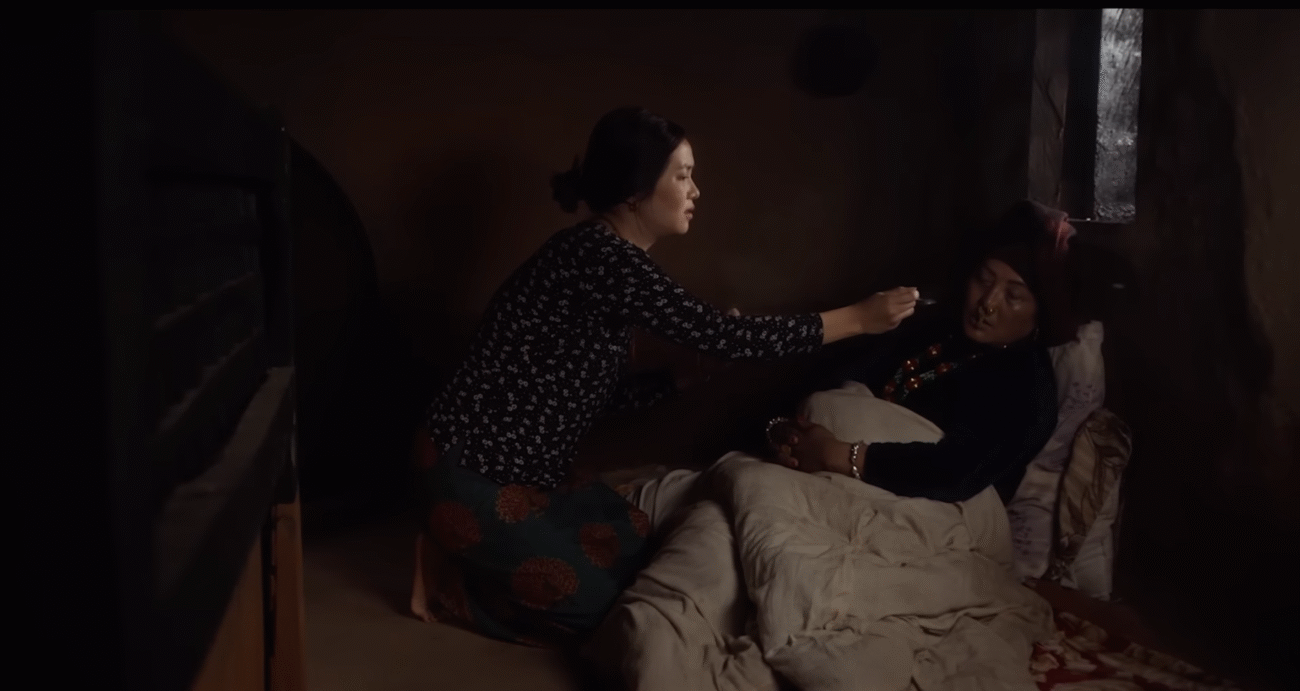
Over time, Namsang’s mother falls very ill and in an instance, Hangma takes care of her and the household. Here again, Hangma’s agency makes a comeback, when the mother-in-law finally asks the reason for her failed marriage with Namsang. In that moment, Hangma remembers many days of humiliation, from Namsang raising his hands on her to how she was treated from the time she came back as a worker to their home to pay off the Jaari. The dying mother-in-law asks Hangma for one last favour–to stay in the house till Namsang gets married again. She requests her to stay and adds that “a house without a woman is a byre”. This line is resonant with the fact that only a woman is the worker in a household, where despite two men being present in the family, the house would turn into a byre without Hangma. A lot is expected of her as a woman, Hangma’s agency at this point in the film again makes her a saviour-worker devoting to the family that currently is not even her own.
The dying mother-in-law asks Hangma for one last favour–to stay in the house till Namsang gets married again. She requests her to stay and adds that “a house without a woman is a byre”.
Women’s experiences, work and their invisible contribution
Although the household economy is run by women, they remain unpaid and worse, are not even recognised as workers. A vital service is expected of them that runs on altruism. ‘The morality of altruism has been supposed to animate the family to the same extent that the morality of individualism has been supposed to pervade the marketplace.’ (Olsen, 1983: 1505) While, Jaari, the movie’s strength, lies in the fact that it showcases the politics of household. This visualisation on screen, when analysed through a feminist lens, reiterates the invisibility of women’s labour and the devaluation of housework which pervades the economy of the developing world. Scholars like Denzin 1989, West 1991, Smith 1987, 1990 have provided analytical frameworks to link everyday experiences of women and their socio-economic contributions that have been subdued by culture and tradition. ‘Although these rules, norms and practices are rooted in the domestic domain, their influence is evident in the wider public domain, their influence of state, civil society and market relations, particularly, but not only, in the less monetised economies of the world’ (Kabeer, 2008: 8).
While, Jaari, the movie’s strength, lies in the fact that it showcases the politics of household. This visualisation on screen, when analysed through a feminist lens, reiterates the invisibility of women’s labour and the devaluation of housework which pervades the economy of the developing world.
This regime of unpaid labour that invigorates patriarchy, has remained unchallenged and is often reinforced as ‘duty’, where mothers exercise internalised patriarchy and often pass it down intergenerationally. Therefore, while some themes in the film have struck a conversation on women’s lives and experiences within the realm of family and marriage, much is left to be done. While audiences got a glimpse of the vast dynamic of the household, some real experiences await structural change that reinforce women’s empowerment in the world today.
References:
Kabeer, Naila. 2008. “Paid Work, Women’s Empowerment and Gender Justice: Critical Pathways of Social Change.” Pathways Working Paper 3. Institute of Development Studies, University of Sussex, Brighton.
Lucia Hanmer & Jeni Klugman (2016) Exploring Women's Agency and Empowerment in Developing Countries: Where do we stand?, Feminist Economics, 22:1, 237-263.
Ghosh, J. (2013). Women’s work in the India in the early 21st century. India Today: Looking Back, looking forward, www. catalog. ihsn. org, 1, 43-59.
Endnote
The commentary duly acknowledges Jaari (2023), produced by Baasuri Films.
Nanuma Subba is an independent researcher with a PhD from Jawaharlal Nehru University, New Delhi. Her thesis titled ‘State and Tribal Customary Governance: Socio-economic Change in Sikkim’, focuses on the governance of tribal areas through ‘development’ that has witnessed prominent changes in the environment and life of tribes in Sikkim. Her research interests include the study of tribes in Sikkim, politics of development, patterns of governance, feminist jurisprudence and gender studies. Along with research writing, she also enjoys writing personal-political essays that find inspiration in the everyday.